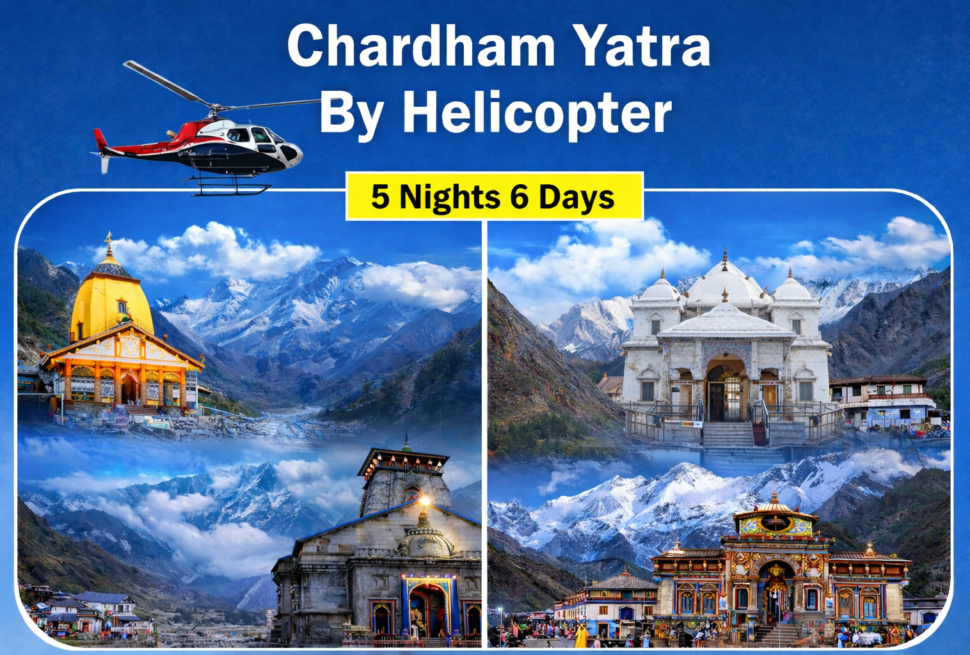
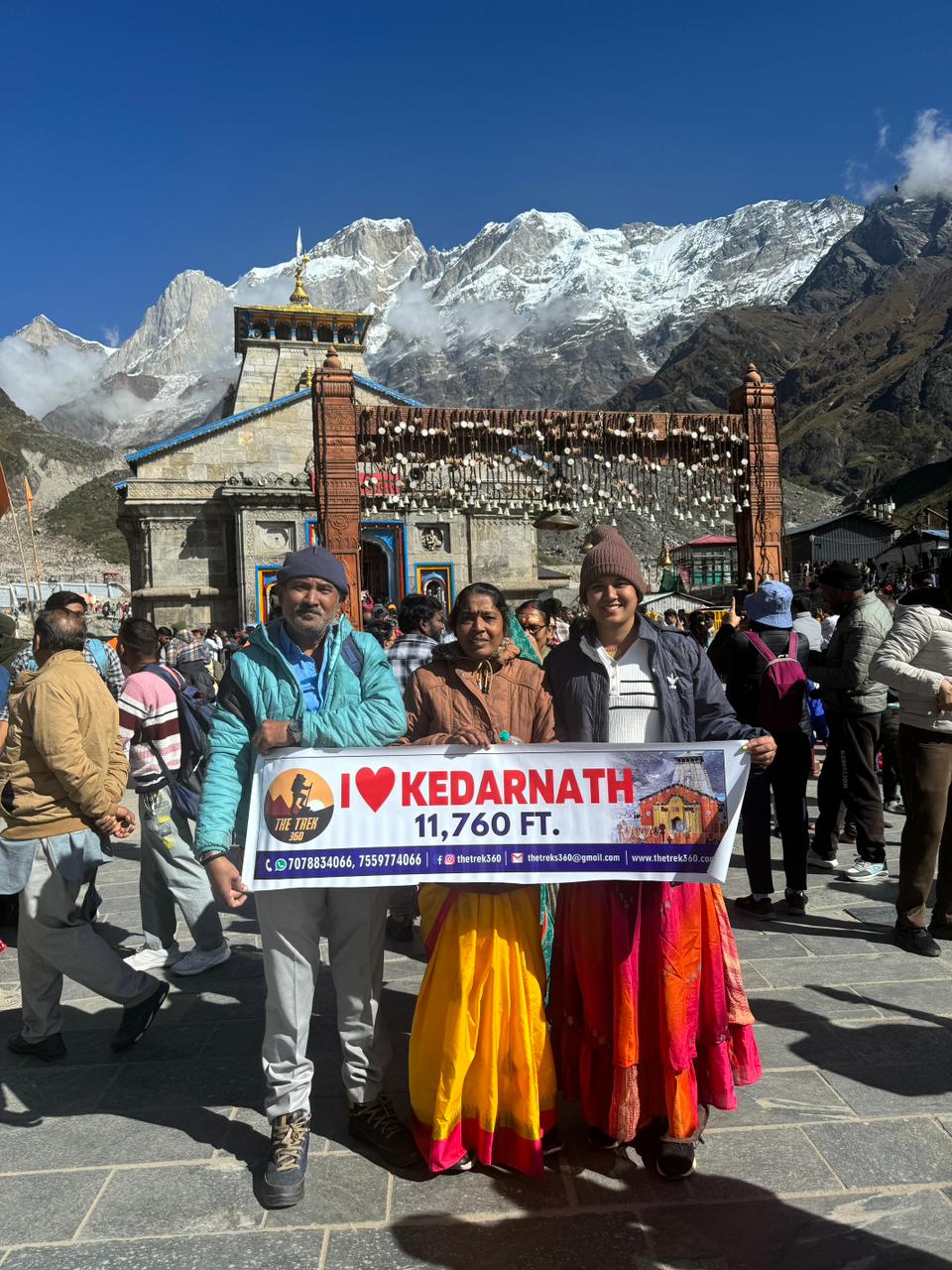
The journey from Haridwar to Kedarnath is not just a road trip in Uttarakhand. It is a slow movement from the noise of the world into the silence of the Himalayas. Many people search for “Haridwar to Kedarnath distance” or “Kedarnath route map” because they want to reach the temple quickly. But those who truly understand the Kedarnath Yatra know something deeper — the blessings begin long before you stand in front of Kedarnath Temple.
Between Haridwar and Kedarnath, there are sacred towns, river confluences, ancient temples, and silent mountain bends that most travelers pass without stopping. These hidden stops carry stories of gods, sages, miracles, and devotion. If you rush through them, you reach Kedarnath physically. If you pause at them, you reach Kedarnath spiritually.
Let the journey begin.
Haridwar – Where the River First Blesses You
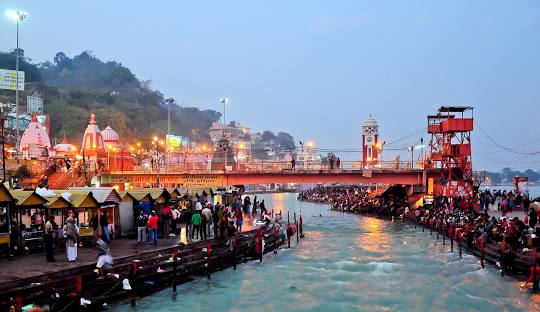
Haridwar is not just a starting point of the Kedarnath Yatra. It is the doorway to the divine. The Ganga flows here with a powerful yet gentle presence. Pilgrims gather at Har Ki Pauri before heading toward the mountains. Some take a holy dip in the river. Some sit quietly with folded hands. Some light a small diya and let it float in the water, whispering their wishes.
When you stand near the river at sunrise, the sky turns soft orange and the water reflects the light like liquid gold. The sound of temple bells mixes with the flowing river. At that moment, you feel something change inside you. It is as if the journey has already started, even before the road begins.
Many people who travel from Haridwar to Kedarnath say that taking blessings here makes the entire Yatra smoother. The Kedarnath road trip feels lighter after touching the water of Ganga.
Rishikesh – The City of Silent Saints
Just ahead on the route lies Rishikesh. It is often called the yoga capital of India, but it is much more than that. Rishikesh is a land of meditation, of quiet mornings, of riverside prayers.
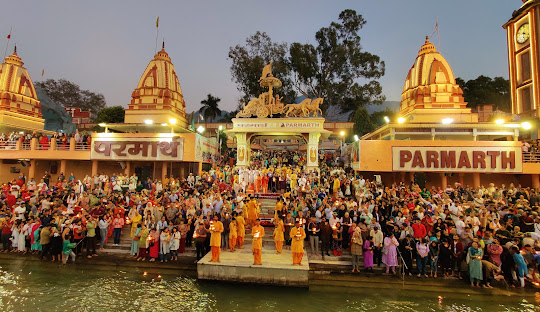
If you are planning a Kedarnath trip from Haridwar, spending one night in Rishikesh can prepare your mind for the long mountain journey ahead. Walk near the river in the evening. Sit at Triveni Ghat during the aarti. Listen to the chanting. The air feels lighter here.
The bridges of Laxman Jhula and Ram Jhula connect not just two riverbanks, but two states of mind — from restless thinking to peaceful surrender. Many travelers hurry past Rishikesh, focused on reaching Kedarnath quickly. But those who stay for a few hours feel calm and steady before entering the deeper Himalayas.
Devprayag – Where Ganga Is Born
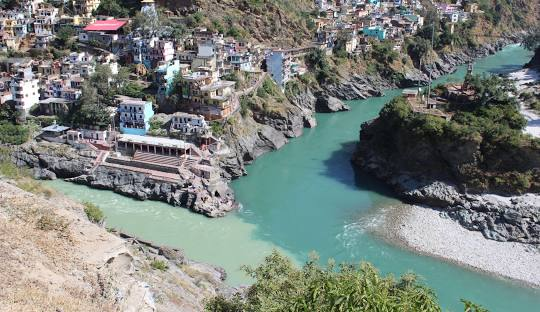
As the road winds deeper into the hills, you reach Devprayag. This is not an ordinary town. It is the sacred meeting point of the rivers Alaknanda and Bhagirathi. Here, these two rivers merge and become the Ganga.
When you look down from the viewpoint, you can clearly see two different colors of water joining together. It feels like watching a divine union. The sound of the rivers crashing into each other echoes through the valley.
Devprayag is one of the Panch Prayag of Uttarakhand. Pilgrims who are traveling from Haridwar to Kedarnath often stop here to take blessings at the Sangam. Some sit quietly on the steps near the water. Some pray for their family. Some simply watch the flowing current.
There is an old belief that meditating here removes confusion from the mind. Perhaps that is why many people feel clarity and peace after spending time at Devprayag.
Srinagar – A Gentle Pause Before the Climb
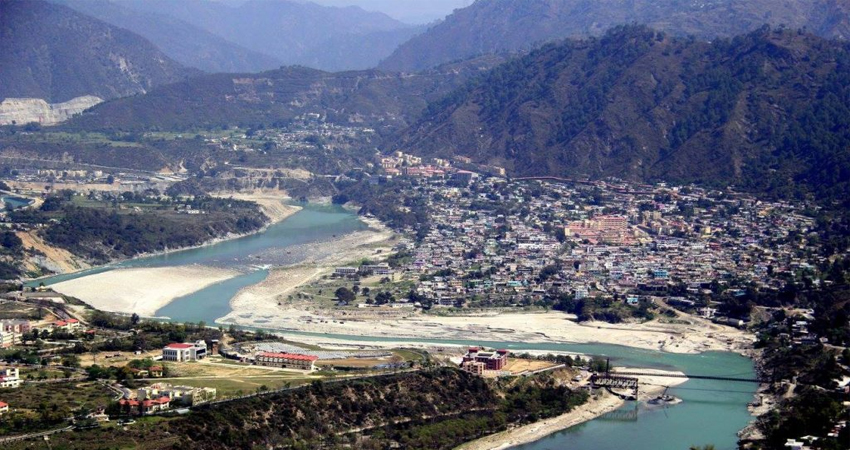
Further along the Kedarnath route, you pass through Srinagar in Garhwal. This is a calm town resting beside the Alaknanda River. It may not be famous for big temples or dramatic views, but it offers something important — rest.
The journey from Haridwar to Kedarnath involves long hours of driving. Mountain roads can be tiring. Srinagar gives travelers a chance to pause, eat a simple meal, stretch their legs, and breathe.
Sometimes spiritual journeys also need practical comfort. A warm cup of tea here feels special. Watching the river flow quietly beside the town gives strength for the road ahead.
Rudraprayag – The Sound of Shiva
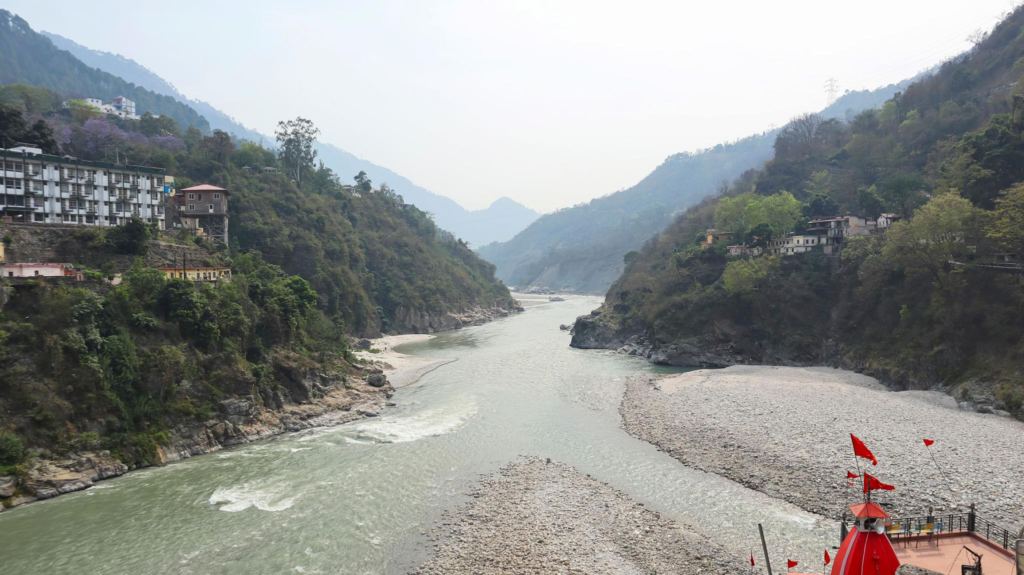
When you reach Rudraprayag, you begin to feel closer to Kedarnath. This is the place where the Mandakini River meets the Alaknanda River. It is believed that Lord Shiva appeared here in his Rudra form.
Standing near the confluence, you hear the strong sound of water hitting rocks. It does not feel ordinary. It feels powerful. Some say the sound resembles the chanting of “Om.”
Rudraprayag is one of the most important stops on the Kedarnath Yatra route. Many pilgrims take a moment here to bow their heads. The air feels heavy with devotion. The mountains seem taller. The journey feels more serious.
The Mandakini River, which flows from Kedarnath, begins to guide you from here onward. You follow this river all the way to the temple.
Agastmuni – The Quiet Blessing
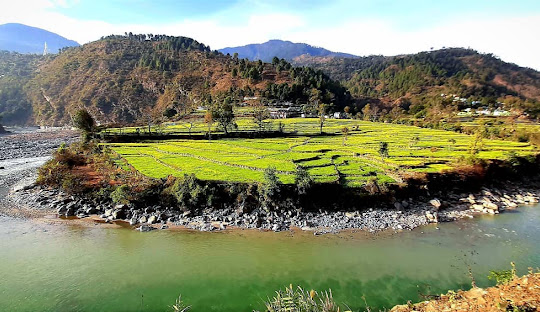
Agastmuni is a small town that many people overlook. Named after Sage Agastya, this place carries a peaceful presence. There is an old temple dedicated to the sage, and the Mandakini flows nearby.
Unlike busy pilgrimage towns, Agastmuni feels quiet and simple. It does not demand attention. It gently offers stillness.
If you stop here for even a short while, you notice how calm the surroundings are. The Kedarnath road journey often feels rushed, but Agastmuni slows you down. Sometimes the most hidden stops offer the deepest peace.
Guptkashi – Where Shiva Hid
As you move closer to Kedarnath, you reach Guptkashi. This town holds a powerful story. It is believed that after the Mahabharata war, the Pandavas searched for Lord Shiva to seek forgiveness. Shiva did not want to meet them and hid here in Guptkashi before appearing in Kedarnath.
The Vishwanath Temple in Guptkashi reminds pilgrims of the temple in Kashi. Many people stay overnight here before continuing to Sonprayag and Gaurikund.
There is something special about Guptkashi at night. The mountains stand silent around the town. The sky is filled with stars. Travelers often feel a mix of excitement and nervousness. Kedarnath is now close.
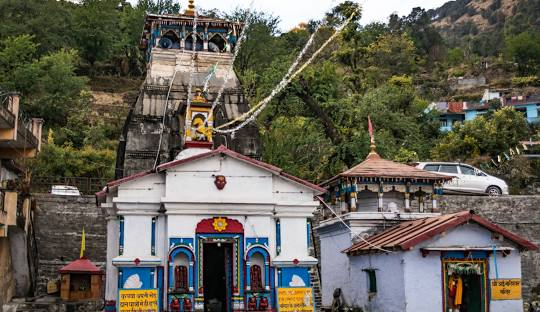
Sonprayag – The Final Road Stop
Sonprayag marks an important point on the Kedarnath Yatra route. From here, private vehicles usually stop. Pilgrims take local transport to Gaurikund.
The rivers Basuki and Mandakini meet here. Some believe that taking a dip in Sonprayag cleanses the soul before the final trek.
The atmosphere changes here. You see more pilgrims. You hear more chanting. You feel anticipation in the air. The mountains look grander. The journey feels sacred.
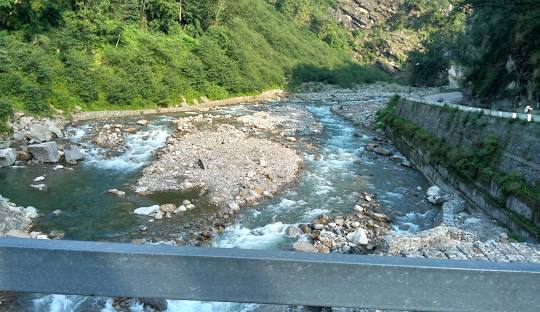
Gaurikund – Where the Trek Begins
Gaurikund is the last motorable point before the 16 km Kedarnath trek. It is believed that Goddess Parvati meditated here to marry Lord Shiva.
Before the trek, many pilgrims visit the temple at Gaurikund. The Mandakini River flows nearby, reminding you that you are walking toward its source.
The trek from Gaurikund to Kedarnath is not easy. The path climbs steadily. The air becomes thinner. But something inside keeps pushing you forward.
You see elderly people walking slowly with devotion. You see young pilgrims chanting “Har Har Mahadev.” You see ponies, porters, and mountain views. The Kedarnath trek distance may be 16 kilometers, but emotionally it feels like a journey through faith.
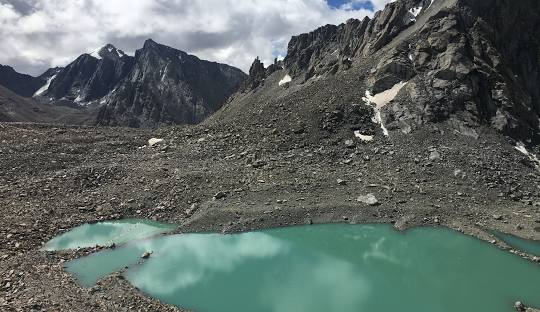
The Hidden Miracle of the Road
Many people talk about miracles at Kedarnath Temple. Few talk about miracles on the way.
Some travelers say they felt protected during sudden rain. Some say landslides stopped just before their vehicle passed. Some say they felt tears in their eyes at Devprayag without knowing why.
The road from Haridwar to Kedarnath is not ordinary. The rivers are not just water. The mountains are not just stone. There is something alive here.
When you stop at these hidden places, you begin to feel it.
Do Not Rush to Reach the Temple
In today’s world, people search online for “fastest way to reach Kedarnath” or “Kedarnath helicopter booking.” Convenience is helpful, but devotion grows slowly.
If you truly want the full experience of the Kedarnath Yatra, give time to the hidden stops between Haridwar and Kedarnath. Let the Ganga bless you. Let the Prayag cleanse you. Let the Mandakini guide you.
When you finally stand in front of Kedarnath Temple, surrounded by snow-covered peaks, you will realize something beautiful.
The temple is the destination.
But the rivers were the preparation.
The hidden stops were the real blessing.
And the journey itself was the miracle.
Begin your sacred Kedarnath journey with The Trek 360 — where every mile is guided with devotion, safety, and true Himalayan care.