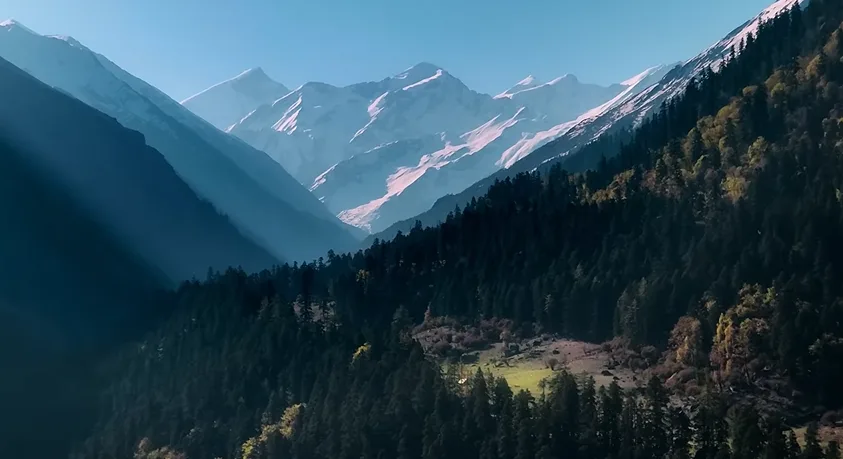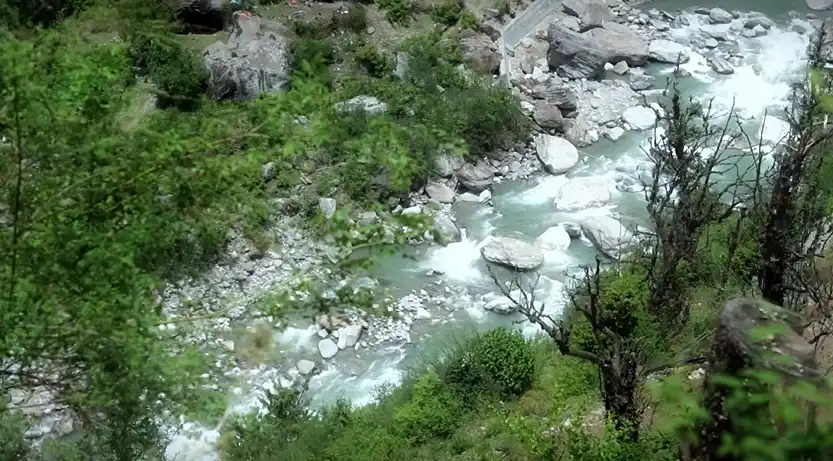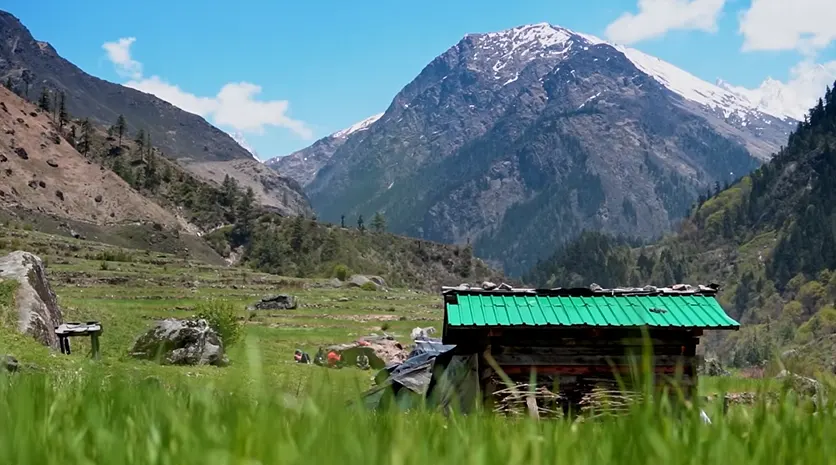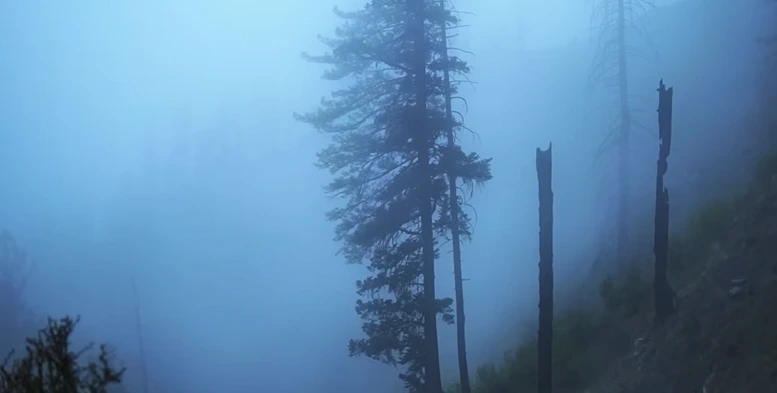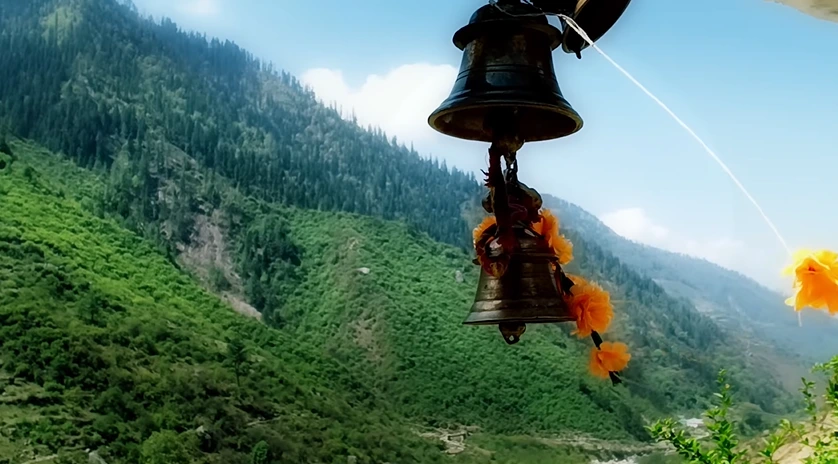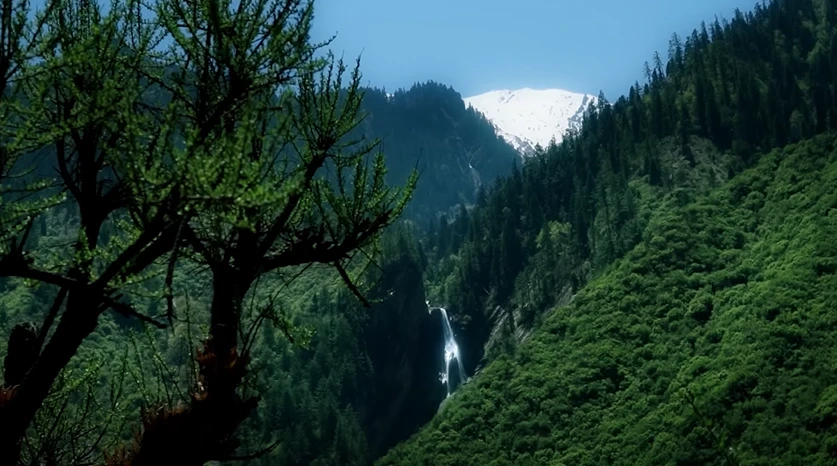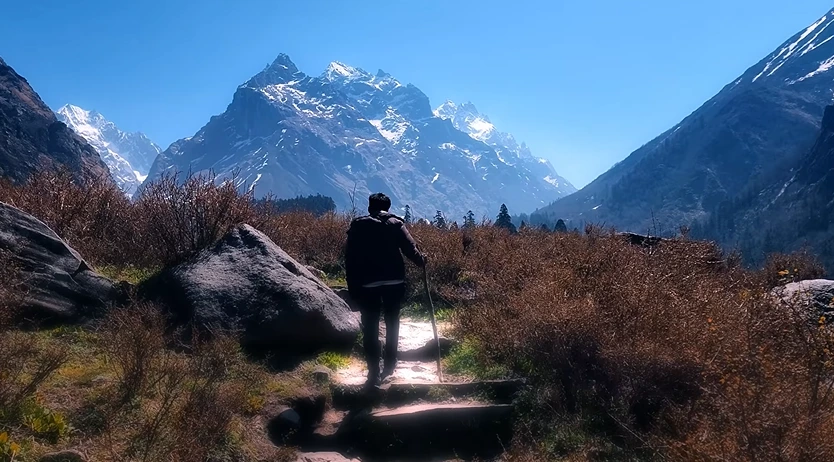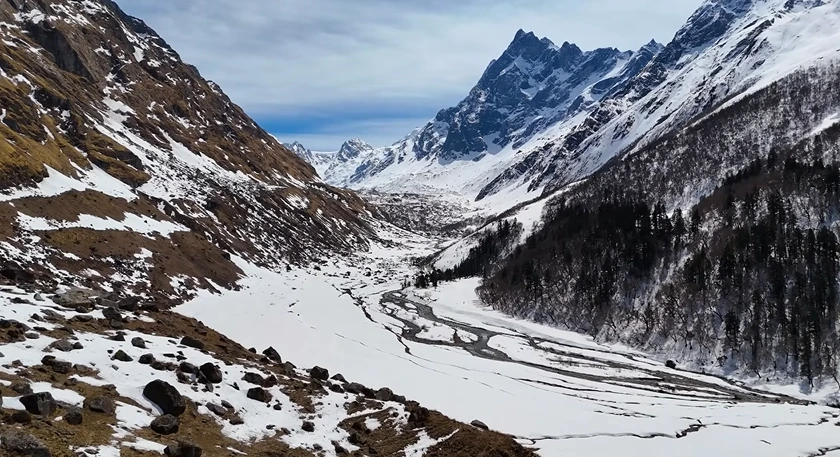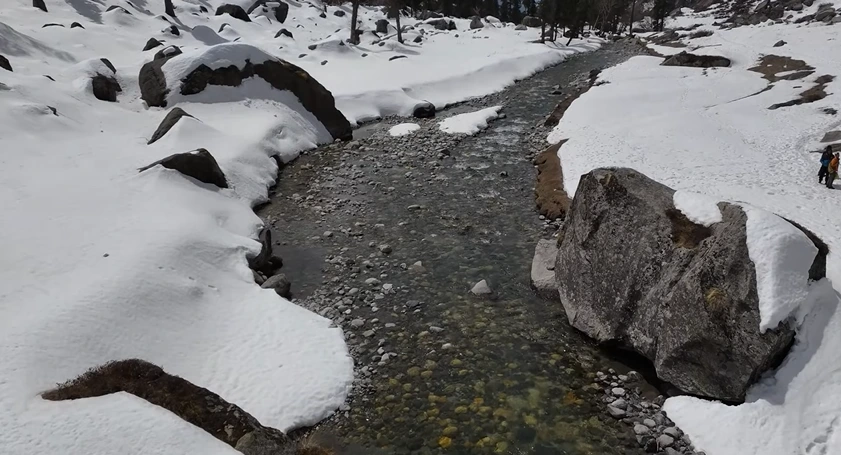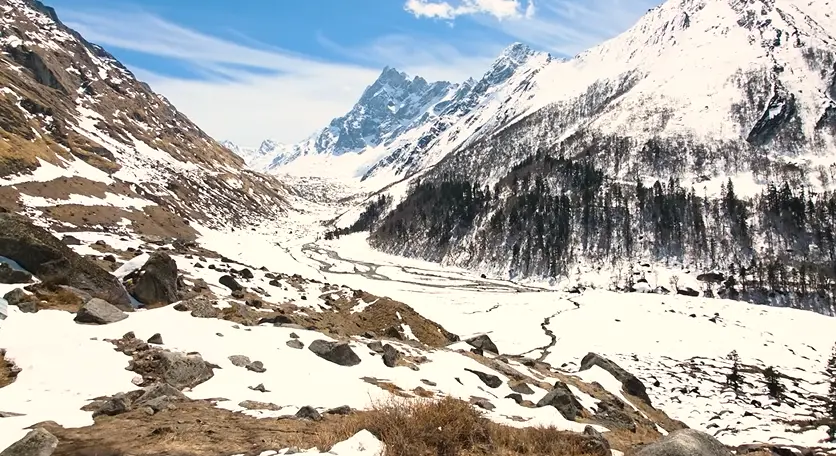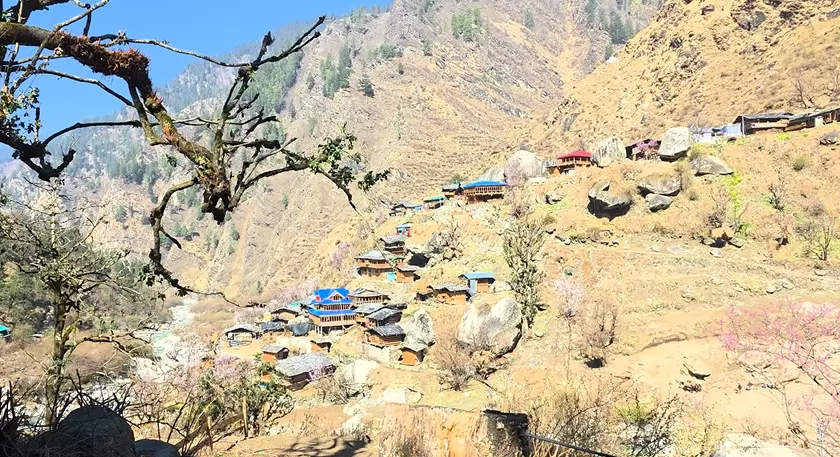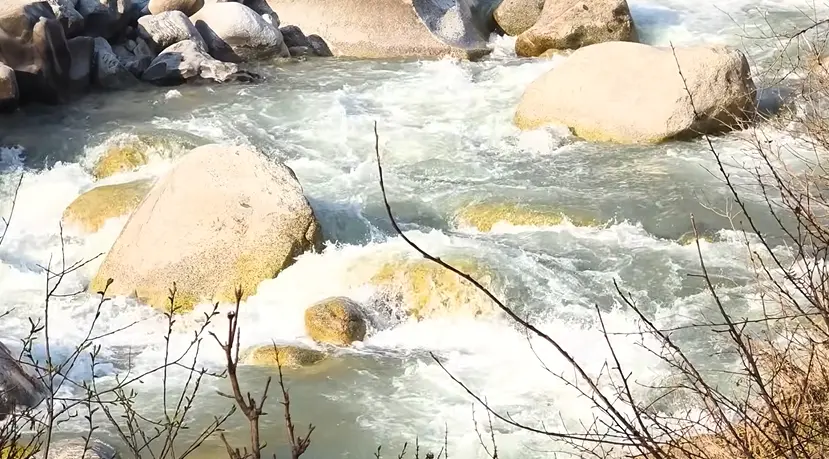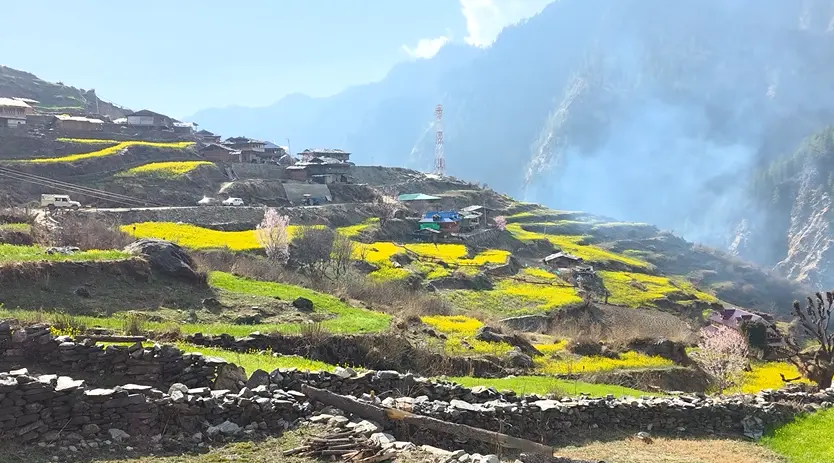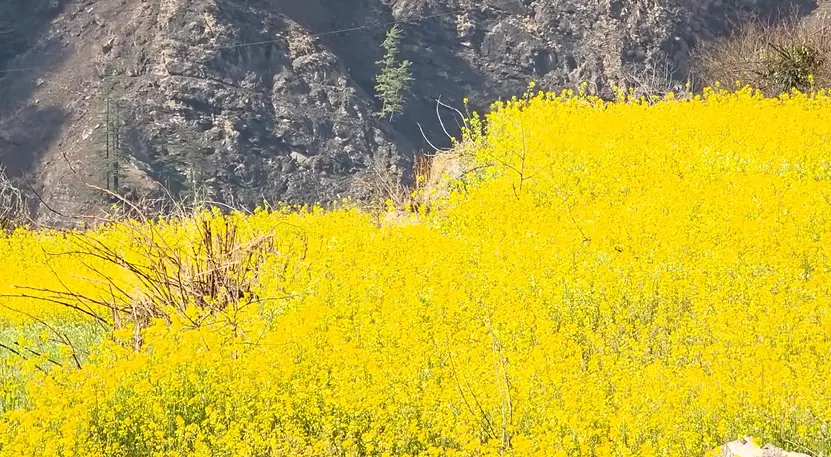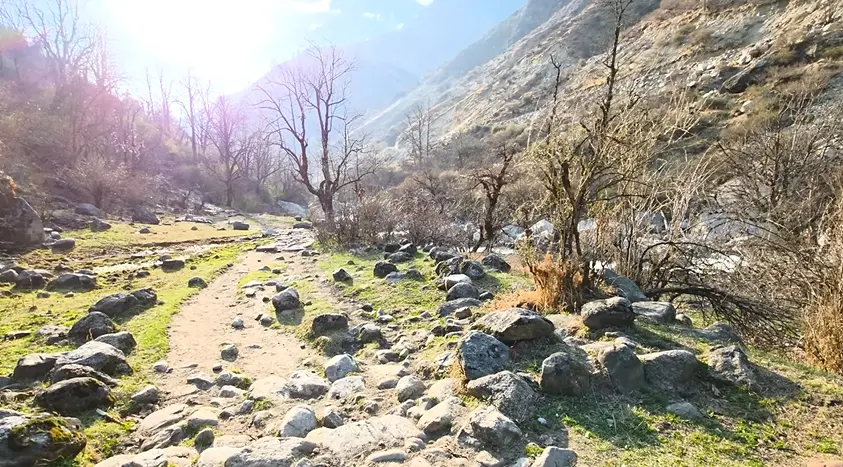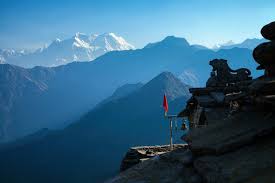
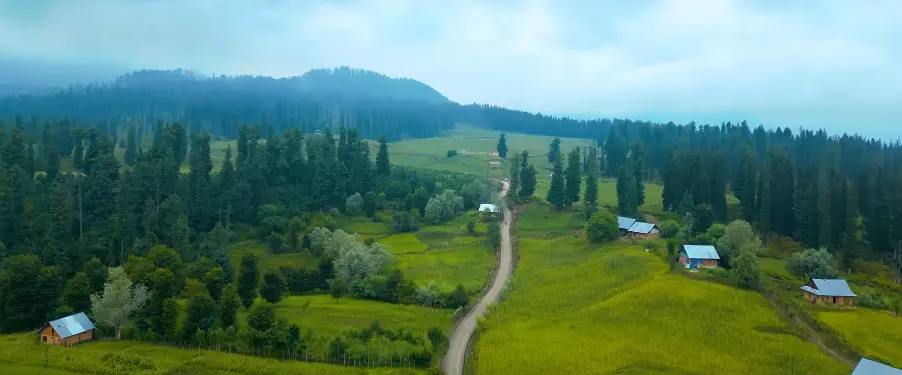
The Kashmir Great Lakes Trek is called the beautiful trek in India for a good reason. It is not the trek. It is not the exciting trek. It is the most beautiful trek. When you are there you will understand why people say this. For seven days you are surrounded by scenery that looks like it is not real.

Overview
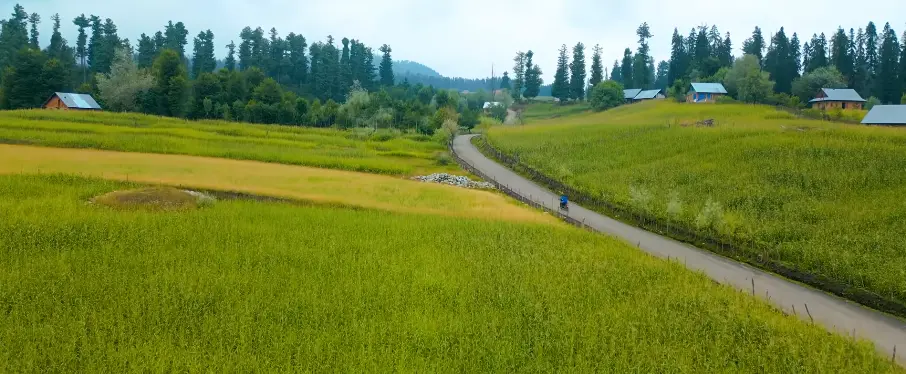
The Kashmir Great Lakes Trek starts from Sonamarg. Ends at Naranag. Both Sonamarg and Naranag are easy to get to from Srinagar.. To be honest when you start the trek it feels like you are in a completely different place. The trek is around 72 to 75 kilometers long. The scenery changes all the time. One minute you are walking in an open valley then suddenly you are in a field full of wildflowers and the next day you are climbing up to Gadsar Pass, which is, over 13,700 feet high. The Kashmir Great Lakes Trek is really something.
And the crazy part? It never gets repetitive. Every single day looks different.
But what really stays with you are the lakes.
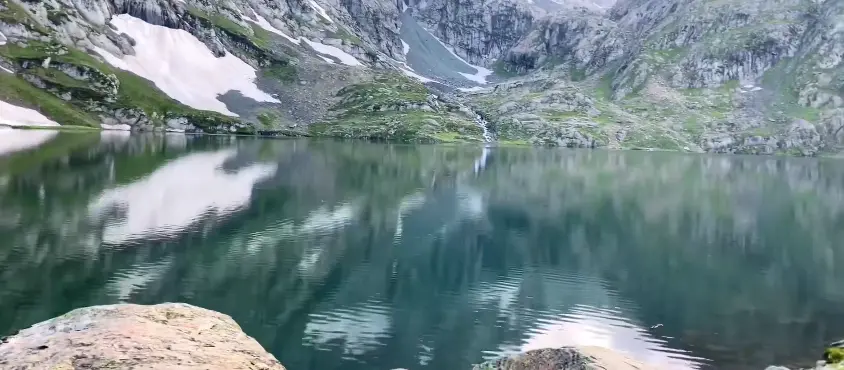
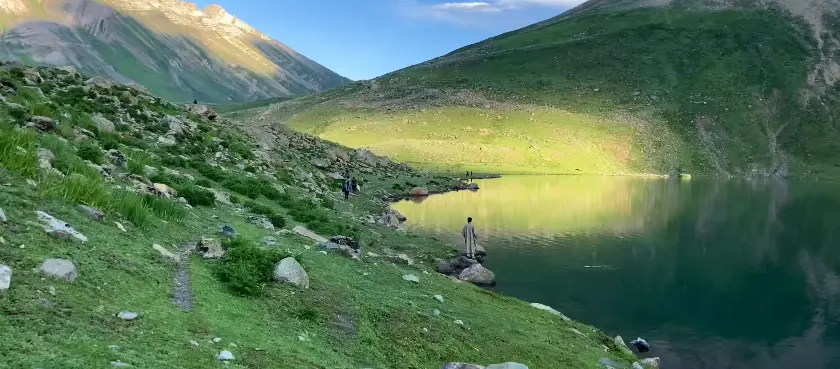
The Vishansar and Krishansar appear like a fairy-tale and visible from the beginning of trek itself. Water is so blue and transparent that reflects the whole surroundings of mountains and sky. You would be sitting there for hours.
Then there’s Gadsar Lake. Totally different vibe. Slightly green because of algae, a bit colder, a bit wilder. You’ll even hear about trout here—locals actually come all the way up to fish.
People think Satsar is one lake. But no, it’s a cluster of seven small lakes dotted on the meadow. Its silent and sort of mysterious particularly if there’s fog around.
Then comes Gangabal. It’s grand, still and has an almost commanding presence below Harmukh Peak that locals associate with Lord Shiva. Right beside Gangabal is Nundkol- smaller and more subdued but no less captivating.
By now trekking ceases to be trekking and you feel like you’ve actually lived in these mountains for some time.
If you are going with The Trek 360 then everything is already taken care of. You can rest assured of your transport from Srinagar, food, camps and safety etc. All you have to worry about is what you are there to see.
And honestly, that’s what this trek deserves. Not rushing. Not overthinking. Just walking, looking around, and taking it all in.
Highlights
- Six Stunning Alpine Lakes: Visit Vishansar, Krishansar, Gadsar, Satsar (a cluster of seven small lakes), Gangabal, and Nundkol in a single trek. Each lake is distinct, beautiful, and unforgettable.
- Gangabal Lake and Mount Harmukh: Camp beside the magnificent Gangabal Lake at the base of Mount Harmukh (approximately 5,000 m), the mountain revered in local mythology as the home of Lord Shiva. The reflection of Harmukh in Gangabal is one of the most photographed mountain moments in India.
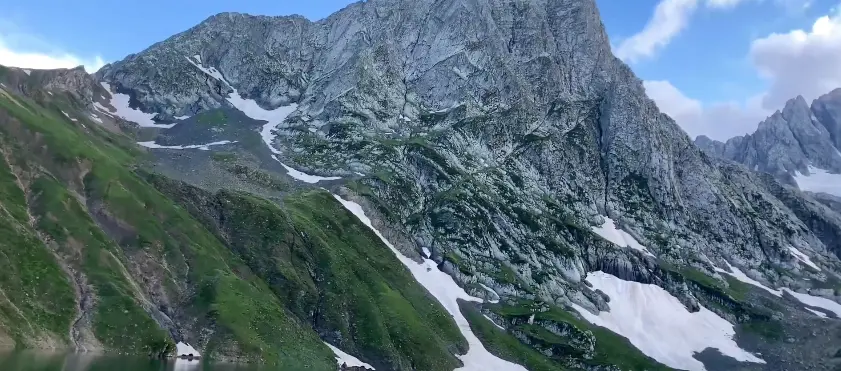
- Gadsar Pass at 13,700 ft: Cross the high and dramatic Gadsar Pass, the highest point of the trek, where snowfields, mountain panoramas, and the thrill of a genuine Himalayan pass experience come together.
- Wildflower Meadows: July to September transforms the Kashmir valleys into flower gardens of extraordinary diversity and color, making this one of the most visually rich trekking seasons in India.
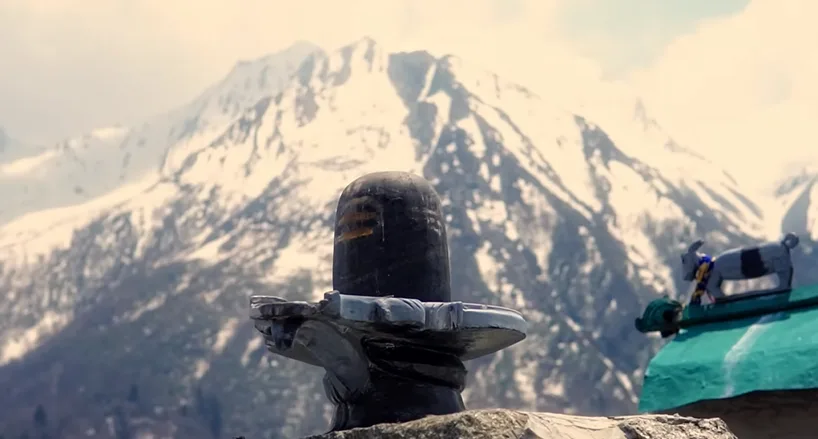
- Ancient Naranag Temple Ruins: End the trek at Naranag village where the ancient ruins of the Naranag Temple, built by King Lalitaditya Muktapida, await. A fascinating archaeological site with carvings and a Shiva lingam.
- Crystal-Clear Algae-Free Lakes: Vishansar and Krishansar lakes are famous for their crystal-clear, algae-free waters, which support trout but no other aquatic life, making them biologically unique high-altitude lakes.
- Changing Landscapes Daily: Pine forests, alpine meadows, river crossings, snowfields, high passes, and lakeside camps. The scenery changes completely every day, keeping the experience fresh and continuously breathtaking.
- Kashmir Valley Culture and Mythology: Every section of the trail carries layers of legend, history, and living tradition from the region's rich cultural heritage, adding depth to the natural beauty.
- Camping Under Himalayan Stars: Away from any city light, the night skies above the Kashmir lakes are extraordinary. Camping beside a reflecting lake under a sky dense with stars is one of the defining memories of this trek.
- The Trek 360 Complete Service: Transport from Srinagar, certified leaders, complete camping setup, vegetarian meals, permits, and safety management. Everything is handled so you can focus on the mountains.
Important Information
| Trek Location | Kashmir, Jammu and Kashmir |
|---|---|
| Total Duration | 7 Days |
| Maximum Altitude | Approximately 13,800 ft (4,200 m) at Gadsar Pass |
| Difficulty Level | Moderate to Difficult |
| Best Time to Visit | July to Mid-September only |
| Starting Point | Sonamarg (from Srinagar) |
| Ending Point | Naranag (back to Srinagar) |
| Total Trek Distance | Approximately 72 to 75 km |
| Terrain Type | Alpine meadows, river valleys, snowfields, high mountain passes, rocky trails |
| Temperature Range | 10 to 18°C during day, can drop to 0 to 4°C at night near lakes |
| Accommodation | Camping at all trail locations |
| Pickup and Drop | Srinagar |
| Meals | Vegetarian breakfast, lunch, evening snacks, and dinner |
| Mobile Network | Airtel and Jio postpaid may work at Sonamarg and Naranag only |
Cultural Significance
Of the world’s most layered regions, Kashmir is one and the route of the Great Lakes trek is a landscape woven by centuries of civilization, mythology and practice. Understanding the cultural layers to this trek deepens the trekking experience immeasurably.
At the very end of this trek, in the village of Naranag is located the ruins of the Naranag Temple, a most remarkable site in Kashmir valley’s archeological heritage. A place of worship and retreat built by King Lalitaditya Muktapida, the greatest king Kashmir has ever known who ruled in the 8th century CE, this stone temple has very distinct stonework and a Shiva lingam within. It is primarily recognized as a shrine of Lord Shiva although it is also pointed out by some as a monument aligned with the Naga worship prevalent in the valley at one time. Naranag even derives its name from Sanskrit for snakes or nagas, deities of immense divine strength, associated with water.
Throughout its history the Kashmir valley has always been a melting pot of religions – Shaiva Hinduism, Sufi Islam and Buddhism among others have coexisted here for ages and produced a unique identity, Kashmiriat; the spirit of a shared humanity beyond the constraints of religious difference, woven through its art, poetry, music and cuisine.
Bakarwal and Gujjar nomadic communities who practice transhumance – moving their herds to the meadows for grazing and then back down as seasons change-have been trekking the Kashmiri high lands for centuries. You’ll come across their encampments near these meadows and lakes during the trekking season. They are living links to the centuries of human endeavor utilizing the high lands, and their presence on the trail provides it with its live cultural link to the magnificent natural beauty.
The last stage of the trek terminates at the village of Naranag where are the remains of the Naranag Temple, the largest such archaeological site in Kashmir. The ancient stone carvings as also a stone Shiva Lingam present here are the remains of the temple complex built by one of Kashmir’s most famous kings-Lalitaditya Muktapida, who ruled in the 8th century and is regarded as one of the greatest among the monarchs of Kashmir. While it is believed to be a shrine to Lord Shiva, some archaeologists say it has its roots in the worship of Nagas prevalent in Kashmir earlier; Naranag itself is derived from ‘Nags’ the Sanskrit term for powerful, divine serpent-like beings.
The entire valley has been the meeting ground of varying religions-Shaivism, Islam and at one point or another, Buddhism. This melting of faiths and traditions has created a unique cultural phenomenon which is known as Kashmiriyat, the essence of human interaction beyond religious barriers, to which the poetry, music, craftsmanship and food of Kashmir bear testament.
The nomadic communities of Bakarwals and Gujjars have traditionally spent parts of the year in the highlands herding their cattle; their settlements are what you are likely to come across during your trekking season near the meadows and lakes. They are the repository of tradition which shows how human beings have used the highlands for thousands of years.
Religious Significance
The trekking in the Kashmir Great Lakes trail traverses terrain revered in different faiths that have carved this valley over generations. The trek is potentially laden with an unspoken but hugely significant charge for those whose sacredness of landscape journies with them.
Mount Harmukh is located over Gangabal Lake at around 16,000 feet, and is one of the most holy mountains in Kashmir. For Shaiva, it is where Lord Shiva resides in the Kashmir valley, whilst in the wider Himalayan tradition it is Kailash. Legend has it that a saint tried to climb the mountain to reach Shiva, but after twelve months of walking he still had not reached the summit. Nevertheless he ascended into nirvana and was combined with the deity. As a result, it is associated with divine forces as well as with human endeavour.
Vishansar Lake is thought by local legend to have a connection to Vishnu, as its name bears the Sanskrit cognate Vishan for Vishnu. Krishansar Lake bears the name of Krishna, an avatar of the Lord in the Vaishnava tradition. These two lakes, together fed by water flowing from the surrounding snow and glaciers, are thus viewed as where two great Vaishnava traditions unite physically in one location, an abnormal yet highly hallowed junction.
The Naranag Temple complex at the end of the trek is probably the most religious destination on the entire trek. The stone carvings, lingam and the old architecture allows the spiritual past of the valley to be very much present. To stand in these ruins of a 1,300 year old temple with mountains that look exactly how they did when the temple was built and have for that entire duration, creates a quietly powerful experience.
Flora & Fauna
The Kashmir Great Lakes trek traverses the most biodiversity-rich high-altitude zone in India with its unique ecosystem of high-altitude lakes, open meadows, river valleys and forested lower slopes.
During the July to September trekking season, the pastures of the Kashmir alpine zone are a virtual riot of color, carpeted with wildflowers that could match the Meadow of Flowers in Uttarakhand. As you walk through each valley, over the course of 7 days, the dominant wildflowers regularly change, with wild irises, primulas, gentians, cinquefoils, blue poppies, and a host of other species carpeting the trail.
The lakes Vishansar and Krishansar are known for their trout lakes. These lakes are free from algae and have a blue color, and are inhabited by fish species like Brown Trout and others of Salmonid family, and appeal not only to trekkers but also to anglers. Gadsar Lake is an algae-induced lake, and for this reason has a white- greenish color, providing an eye-catching contrast to the azure lakes.
Wildlife along the trail Himalayan Marmots often seen in the meadow sections and issuing their shrill cry of alarm from the burrow mouth. Himalayan Snow Cock occasionally heard and glimpse in the rocky upper regions near Gadsar Pass. The remote meadows near Satsar and Gangabal occasionally see Hangul(Kashmir Stag) a critically endangereded species of Kashmir Deer. Several types of Hawks including lammergeier, Himalayan Griffon Vulture and Golden Eagle soar over the passes and lakes.
Itinerary
- Pickup from Srinagar in the morning by The Trek 360 arranged vehicle
- Scenic 3 to 4 hour drive (approximately 80 km) through the beautiful Sindh valley
- Views of Kashmir pine forests, mountain rivers, and early Himalayan peaks
- Arrival at Sonamarg, the golden meadow, and the starting base of the trek
- Meet the trek leader and support team, complete gear check and safety briefing
- Explore the Sonamarg meadow area in the late afternoon
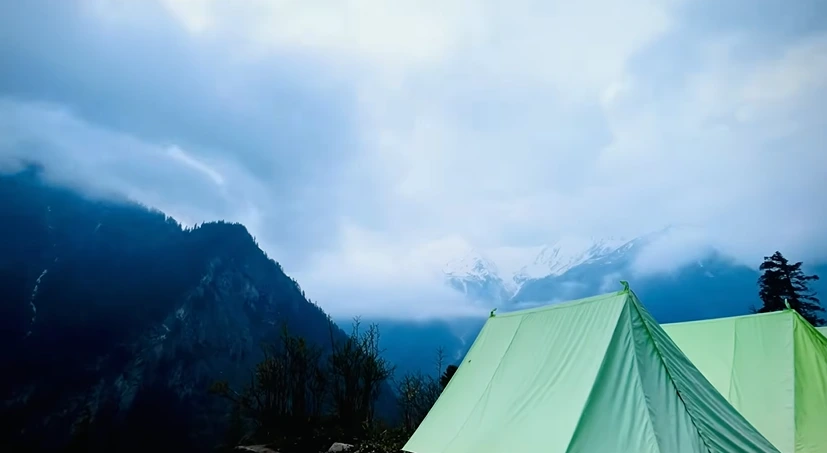
- First night camping experience at the Sonamarg campsite
- Hot vegetarian dinner and overnight rest in tents
- Early breakfast at Sonamarg camp before beginning the trek
- Trek begins through flower-filled alpine meadows toward Shekdur ridge
- Cross the Shekdur ridge, gaining altitude with panoramic mountain views
- Navigate small flowing streams and rocky trail sections along the way
- Cross the Nichnai River, the first significant water crossing of the trek
- Ascend through green meadows with wildflowers and mountain views
- Arrive at Nichnai campsite in the late afternoon
- Camp setup beside the river with open mountain views
- Evening exploration of the riverside terrain and meadows
- Hot dinner and overnight camping at Nichnai
- Breakfast at Nichnai and departure for the first lake of the trek
- Walk through vast alpine meadows with steadily improving mountain views
- Gain altitude gradually across a wide valley toward Vishansar
- Cross small streams fed by snowmelt and glaciers from the surrounding peaks
- First view of Vishansar Lake, a stunning moment of turquoise water in a mountain bowl
- Arrive at the lakeside camp and set up tents near Vishansar's shore
- Afternoon photography of the lake's reflections and surrounding peaks
- Note the neighboring Krishansar Lake, visible from the Vishansar shore
- Hot dinner and overnight camping beside Vishansar Lake
- Early breakfast and early start for the longest and most demanding day
- Trek through alpine meadows and ascend toward Gadsar Pass
- Cross snowfields near the pass that persist well into the summer season
- Reach Gadsar Pass at approximately 13,700 ft (4,200 m), the highest point of the trek
- Wide panoramic views from the pass across multiple mountain ranges in both directions
- Spot Himalayan birds, marmots, and mountain flora near the pass
- Careful descent from the pass toward Gadsar Lake
- Gadsar Lake's distinctive green color (from algae) creates a striking visual contrast with the blue lakes
- Camp setup beside Gadsar Lake and afternoon rest
- Hot dinner and overnight camping at Gadsar
- Breakfast at Gadsar camp and a shorter but scenic day of trekking
- Walk through rocky paths, green meadows, and alpine pastures
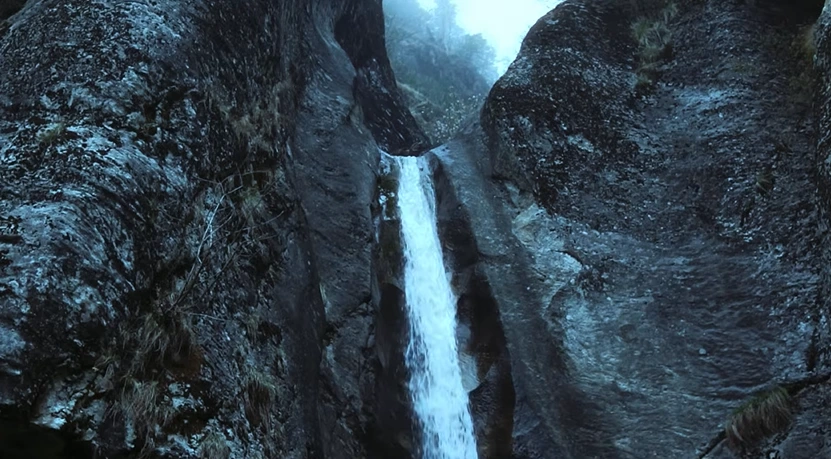
- Pass small waterfalls and flowing streams along the valley path
- Stop at viewpoints for photography of surrounding peaks
- Arrive at Satsar, a cluster of seven small high-altitude lakes scattered across the meadow
- Each of the seven Satsar lakes has its own shape, color, and surrounding landscape
- Afternoon walk around the cluster of lakes, one of the most unique experiences of the trek
- Camp setup at Satsar lakeside with meadow views in every direction
- Hot dinner and overnight camping at Satsar
- Breakfast at Satsar and departure for the final lake section of the trek
- Trek through high alpine meadows and small ridges toward the twin lakes
- Panoramic views of Himalayan peaks including the approaching summit of Harmukh
- Arrive at Gangabal Lake, the largest lake on the trek, at the foot of Mount Harmukh
- The reflection of Harmukh in Gangabal's still waters is one of the most stunning views in all of Indian trekking
- Visit Nundkol Lake, just a short walk from Gangabal, the sixth and final lake of the trek
- Camp setup near Gangabal Lake with Harmukh dominating the skyline
- Evening photography of both lakes in the changing afternoon light
- Hot dinner and final night of camping under Himalayan stars beside Gangabal
- Early breakfast and final morning beside Gangabal Lake with Harmukh views
- Begin descent from the lake through alpine meadows and then into pine forest
- Trek crosses several streams and descends through increasingly forested terrain
- Arrive at Naranag village and explore the ancient temple ruins of the Naranag Temple
- Support team dismantles camps and organizes equipment for transport back
- Lunch at Naranag before boarding the vehicle to Srinagar
- Scenic 60 km drive back to Srinagar through the Wangath and Sindh valleys
- Arrive in Srinagar and check in to hotel or proceed to airport or railway station
- Trek completion certificate issued by The Trek 360
Inclusions
| Transportation | Srinagar to Sonamarg and Naranag back to Srinagar by private vehicle |
|---|---|
| Accommodation | Complete camping setup at all trail campsites (twin or triple sharing quality tents) |
| Meals | All vegetarian meals from Day 1 dinner to Day 7 breakfast, including breakfast, packed lunch, evening snacks, and hot dinner |
| Camping Equipment | High-quality tents, sleeping bags, sleeping mats, kitchen tent, and dining tent |
| Trek Leader & Guides | Certified experienced trek leader and trained local guides throughout the journey |
| Permits | All required forest and trekking permissions for the Kashmir Great Lakes route |
| Support Staff | Professional cook and support staff for campsite management and food preparation |
| Safety Equipment | First aid kit, oxygen cylinder, and basic medical support throughout the trek |
| Trek Certificate | Trek completion certificate issued by The Trek 360 at the end of the journey |
Exclusions
| Travel to/from Srinagar | Travel from your home city to Srinagar and return from Srinagar after the trek |
|---|---|
| Insurance | Travel or trekking insurance (strongly recommended and must be arranged separately) |
| Personal Expenses | Snacks, beverages, and tips for staff |
| Personal Gear | Trekking shoes, jackets, poles, personal backpack, and other individual equipment |
| GST | 5% GST on the trek package price |
| Emergency Costs | Any emergency medical or evacuation expenses |
| Optional Activities | Any sightseeing or activities in Srinagar before or after the trek |
| Meals Outside Package | Meals at restaurants in Srinagar outside the trek package |
| Other Costs | Anything not explicitly mentioned in the inclusions |
Geography & Landscape
The trek on the Kashmir Great Lakes runs through the central part of the Kashmir Himalayas, from the watersheds of the Sind Valley to the west and the Wangath Valley to the east. It links the river drainage of the Sindh at Sonamarg to that of the Wangath at Naranag, crossing the main Himalayan range in between at Gadsar Pass.
The terrain for this trek is defined by the particularly unique terrain of the Kashmir Himalayas. This area varies substantially from the Garhwal and Himachal Himalayan terrains lower to the south. The mountain terrain in the Kashmir range is wider and less dense. The landscape has broad U-shaped glacial valleys with the maximum view field and popular camping habitats along the lakes in terms of extent.
Starting with Sonamarg, which is itself a lovely highland meadow (2,740m) in a broad valley through which the Sindh flows, even the day one camp at Nichnai (located in a still narrower valley at the beginning of the alpine zone but where the meadow form has appeared) is not long in arriving. For Vishansar you are totally in the high alpine zone, with mountain views 360 degrees.
The most commanding part of the trail, and the highest at over 4200 metres, is the Gadsar Pass. The view from the pass spans the range on either side to include a huge series of mountain ranges, snowfields directly below, and a far-reaching range of peaks beyond. The escarpment down from the pass to Gadsar Lake travels zigzag down and pulls the walk firmly into the alpine.
The end of the track is reached at Naranag at about 2,400m in forested river valley very different in character from the high alpine realm of the lakes. The descent from the open windswept world above to the sheltered pine forest below provides a satisfying feeling of coming home and closure as the true Himalayan experience is brought to a close.
Best Time to Visit
The season for the Kashmir Great Lakes Trek is very narrowly defined. While most treks in the Himalayas can be hiked in at least two different seasons, this, in reality, can only be accessed from July through to mid September, and I see that not as a constraint, but as the best possible time.
July is the real beginning of the trek season. The winter and spring snow has disappeared from the lower elevation paths. The passes are open and the mountain meadows are entering full bloom. July’s first weeks tend to host the most pristine and vibrant flowers and the lakes are, just out of ice, at their most beautiful clarity.
August is the best month to do the Kashmir Great Lakes trek. The meadow flowers are in their final days, the weather is the most settled of the season, and all of the lakes are readily available. August provides the highest blooms of the wildflowers and the smooth light flowing from morning to the end of the day. Every trekker attempting the trek more than once tend to agree that August is the optimum month.
Early to Mid- September brings cooler, fresher, cleaner air and less busy trails. The flowers are still blooming in a lot of sections and at lower elevations. The sky clears up even more with the ending of the season, or at least the end of the “prime season”, and the mountain vista’s become more distinct and dramatic. However, Mid-September brings unpredictable weather and should be finished by then.
Things To Carry
- Rucksack of 55 to 65 liters with rain cover
- Waterproof high-ankle trekking shoes with good grip
- Down jacket or heavy padded jacket for cold nights near the lakes
- Fleece jacket for layering
- Thermal inner set for cold nights
- Three full-sleeve trekking shirts (non-cotton preferred)
- Two trekking pants (no jeans)
- Waterproof rain jacket or poncho (essential for July and August)
- Woolen cap and neck gaiter
- Waterproof trekking gloves
- Four pairs of socks (wool and cotton)
- UV-protected sunglasses and sun cap
- Sunscreen SPF 50 and lip balm
- Water bottle of two liters (no plastic disposables)
- Headlamp or LED torch with extra batteries
- Trekking poles or walking stick
- Personal medical kit with any prescribed medications
- Dry fruits, chocolate, and energy bars for trail snacking
- Power bank and charger for electronics
- Toiletries, toilet paper, and hand sanitizer
- Quick-dry towel
- Valid government photo ID card, original and photocopy
FAQs
The trek starts at Sonamarg, accessible by road from Srinagar (approximately 80 km). It ends at Naranag, also connected to Srinagar by road (approximately 60 km). The Trek 360 arranges transport from Srinagar to Sonamarg on Day 1 and from Naranag back to Srinagar on Day 7.
The trek is graded moderate to difficult. The most demanding day is Day 4, when you cross Gadsar Pass at approximately 13,700 feet. The total daily distances range from 9 to 15 km, and the high altitude means that even moderately paced walking requires good cardiovascular fitness. This trek is best suited to trekkers who have completed at least one or two previous treks at altitude.
Beginners with good physical fitness and some preparation can complete this trek. However, the moderate to difficult grading means that specific physical preparation is important, including regular jogging, stair climbing, and endurance training for at least 6 to 8 weeks before the trek. First-time trekkers with no fitness base should attempt an easier trek before attempting this one.
The six lakes are Vishansar Lake, Krishansar Lake, Gadsar Lake, Satsar Lakes (a cluster of seven smaller lakes counted together), Gangabal Lake, and Nundkol Lake. Each lake has its own distinctive color, setting, and character. Gadsar is often green from algae, while Vishansar and Krishansar are crystal blue. Gangabal is the largest and sits at the foot of the sacred Harmukh peak.
Yes, altitude sickness can affect anyone on this trek, especially around and above Gadsar Pass at over 4,200 meters. Trekkers are advised to walk slowly, drink 3 to 4 liters of water per day, avoid alcohol, and report any symptoms of dizziness, headache, or nausea to the trek leader immediately. The Trek 360 leaders are trained to recognize and manage altitude-related symptoms.
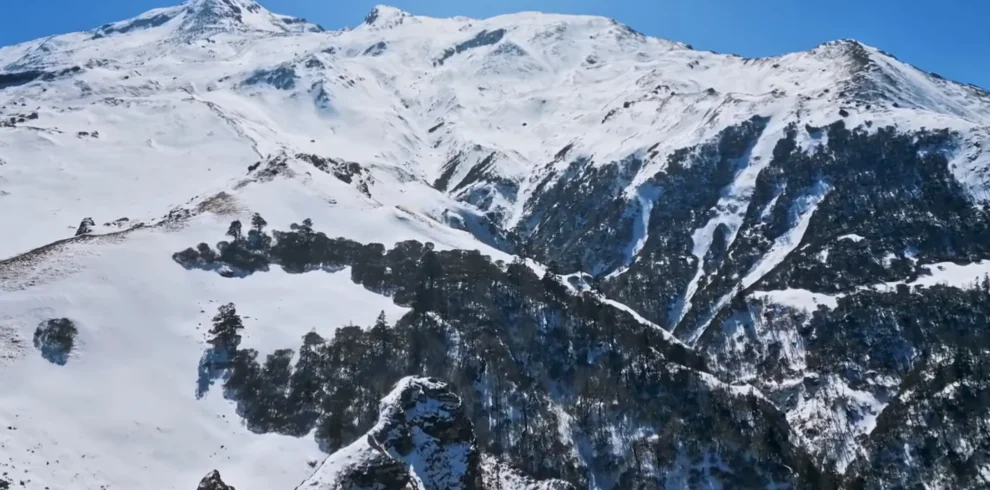
The trek is only accessible from July to mid-September. August is considered the best month for the combination of stable weather, full flower bloom, and excellent visibility. July offers more flowers in the early weeks. September offers clearer skies and fewer crowds. The trek cannot be done outside this window due to snow closure of the passes.
Airtel and Jio postpaid SIMs may work at Sonamarg and Naranag. Once on the trail, connectivity is generally unavailable. It is important to inform family and friends of your detailed itinerary before beginning the trek and to expect limited contact for the duration of the journey.
Mount Harmukh stands at approximately 16,000 feet and is considered one of the most sacred mountains in Kashmir. Local Shaiva tradition identifies it as the abode of Lord Shiva in the Kashmir valley. The reflection of Harmukh in Gangabal Lake is one of the most photographed and most spiritually significant visual experiences in all of Indian trekking.
Vishansar and Krishansar are a pair of interconnected high-altitude lakes famous for their crystal-clear, algae-free waters. Because no algae grows in them, they cannot support most aquatic life, but they do support Brown Trout, the only living creatures in these waters. The lakes are considered sacred, with Vishansar associated with Lord Vishnu and Krishansar with Lord Krishna.
The Trek 360 leaders monitor weather conditions throughout the trek and have the authority to adjust the pace, route, or timing based on safety requirements. In case of severe weather, camps are secured and the group rests until conditions improve. The trek itinerary has some built-in flexibility to accommodate weather delays. Trekkers should budget an extra day in Srinagar before or after the trek for weather-related contingencies.
Food
The Trek 360 has vegetarian catering included for the entire duration of the Kashmir Great lakes Trek. Starting from Day1 Dinner at Sonamarg camp and ending with Day 7 Breakfast at Gangabal (please refer to Trek 360 duration agenda). All packs of food served at the camping site are freshly cooked by our cook and support staff, respectively.
Breakfast – Hot and filling, breakfast consists of poha, upma, paratha with pickle and chutney, bread with jam, porridge, and hot chai/coffee. Before particularly long days of trekking, breakfast is taken early so the a reasonable start time can be maintained. Packed lunches-on following days the trail are taken along. They usually contain roti, dry sabzi, pickle, nuts, energy bars.
Camp evenings always start with some hot soup and snacks to boost the energy levels. Dinner is wholesome with dal, rice, roti, sabzi and sometimes some sweet dish. Given the high altitude campsites, friendly weather and the Kashmir trekking environment make the hot food more than welcome in the evenings, and The Trek 360 kitchen team strives to ensure good at camp even at 5000 +metre altitude.
Trek Fitness
Kashmir Great Lakes Trek is moderate to difficult but requires fitness to complete and enjoy it in comfortable and safe condition. It is one trek where too little fitness will be felt strongly on the trail especially on the Gadsar Pass day.
In terms of fitness, the commonly quoted benchmark for this trek is being able to jog 5km in less than 40 minutes. If you are able to do that you should find the daily trip conditions on the Kashmir Great Lakes trek quite manageable. If not, we highly suggest a 8-10 week varied exercise program prior to the trek.
In addition to daily training, a mixture of cardio (run/bike/stair or step work), leg and core strengthening/ stability exercises should be included (squats, lunges, step ups etc). If time permits, heading to local trails on the weekend and completing a hike with a loaded pack will provide the best specific preparation for the trek. Be comfortable walking 12 to 15 km/day over uneven terrain with a 7 to 10 kg pack.
Altitude: 3-4 litters of water per day, eating regularly, walking at a slowed down pace should be strictly maintained and ALL Early signs and symptoms of altitude sickness should be immediately conveyed to the trek leader. Instruction on altitude awareness is given all through out the trek by the Trek 360 leaders at every step and the trek pace is controlled to avoid the risk of altitude sickness.
Safety
The Kashmir Great Lakes Trek may be at high sustained altitudes, hot and cold, across a difficult mountain pass, wade across a river, or walk over a snow field. The Trek 360 reckon all these hazards have to be taken seriously and managed for safety.
Our guides are trained professionals with great expertise on this route and all have full first aid kits, oximeters, oxygen and emergency radio contact. Daily check in at camp to assess for symptoms of altitude sickness
Particular attention is required at the Gadsar Pass crossing given snowfields encroaching at this high altitude, over 4200 metres. Trekkers are led across them carefully and may wear gaiters or microspikes as needed. The team always stays ahead of weather throughout the trek and will adapt their 6 C’s to the emotion of the mountains.
Be advised that there are very few points of easy withdrawal once on the trek. Trek 360 will impart this information to all teams prior to embarkation and make sure that all teams know what they are getting into and the importance of training and preparation beforehand.
Weather & Temperature Guide
- July: monsoons are active in Kashmir but not as much as for Uttarakhand or Himachal. Daily temperatures here at the camp can rise up to about 12 to 18 degrees C. In the daytime. It can be very cold at night near the lakes, and is around 3 to 7 degrees Celsius. There still remains snow on the passes.
- August: The most consistent weather during the trekking season. Daytime highs at camp level 12-18 oC, nights around the higher lakes 2-6 o C. Slight chance of clouds building and occasional brief showers, seldom enough to hamper the trek.
- Early September: Side away from the fall. The weather is slowly getting colder, with the average temperature when traveling is 10- 16 degrees C, 0- 4 degrees C at the night close to lakes, the weather is becoming more and more sunny. After 15 September, the weather might be getting worse with colder weather. It is better if the trek completed before 15 September.
Why Choose Us?
The Kashmir Great Lakes Trek is one of India’s most iconic trekking experiences and should be organized by a team who truly understands it and runs it with highest level of professionalism. The Trek 360 offers every batch of this legendary trek the professionalism combined with the heart and respect for the mountains that this trek demands.
Our trek leaders are experienced mountaineers who have spent seasons guiding travelers through the Kashmir Great Lakes and are intimately familiar with the route. Knowing the campsites, lakes, weather patterns, and safety issues back and forth; we bring the absolute best to your journey.
The Trek 360 provides full transportation from Srinagar, good camping gear, freshly prepared vegetarian food at each campsite, all permits and emergency safety support. To maintain the intimacy of the lake camping experience, we keep the groups to a size which enables us to provide individual attention.
On a trek as extraordinary as the Kashmir Great Lakes,…every detail counts. The quality of your tent, is the dinner hot, have the group walking at a comfortable pace, Is your trek leader knowledgeable and do the safety measures insure that your experience is not just good but unforgettable. With The Trek 360….it is.
Important Notes
- Trekkers must carry a valid government photo ID card at all times during the trek
- The trek should only be attempted after adequate physical fitness preparation
- Mobile phones will be largely without signal during the trek; inform family of your itinerary before departure
- No alcohol or banned substances are permitted at any point during the trek
- Trekkers who develop altitude sickness symptoms must inform the trek leader immediately
- The Trek 360 leader has full authority to descend any trekker showing symptoms of altitude illness
- This trek has few easy exit points once underway; physical preparation before booking is essential
- The trek is conducted in accordance with state government guidelines for trekking in Jammu and Kashmir
- Respect local customs and environmental regulations throughout the journey
- No littering under any circumstances. Follow Leave No Trace principles at all campsites and on all trails
- Trekkers must carry personal trekking insurance; The Trek 360 is not liable for medical emergencies
- Booking is confirmed only after full payment; cancellation terms apply as per The Trek 360 policy