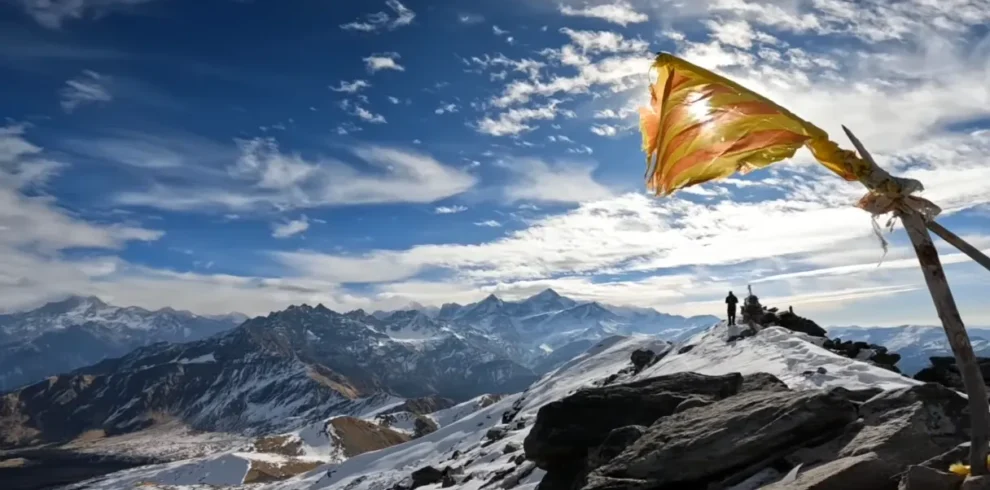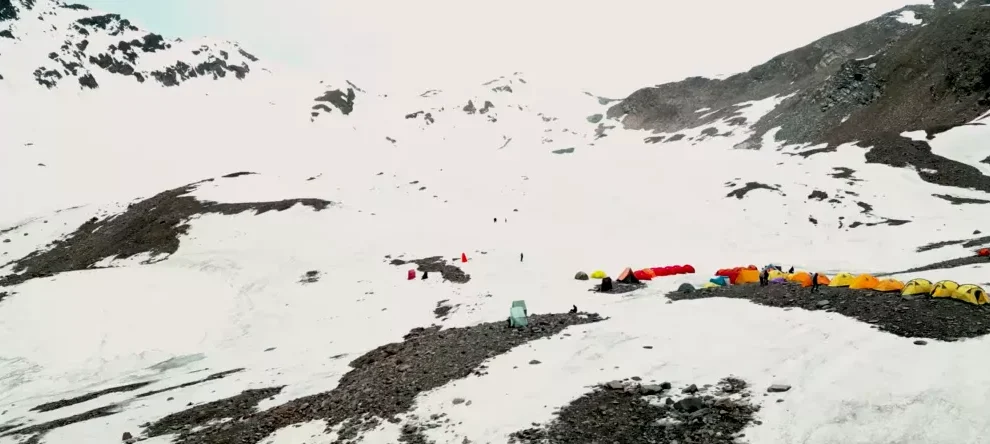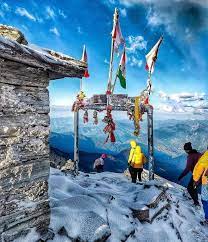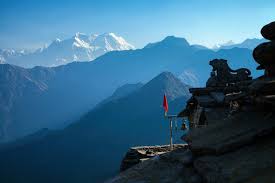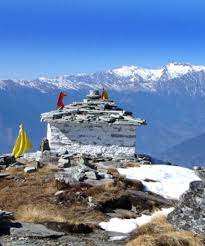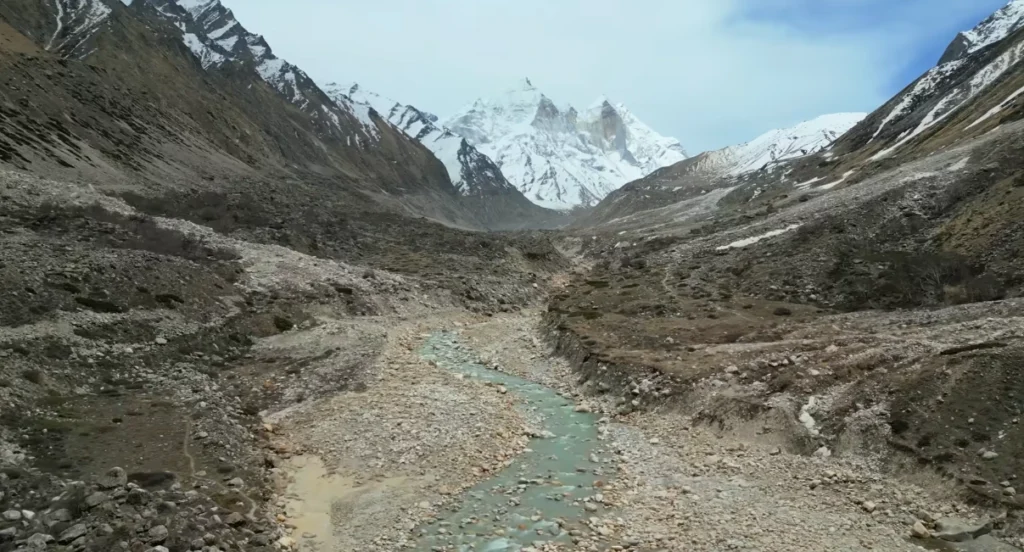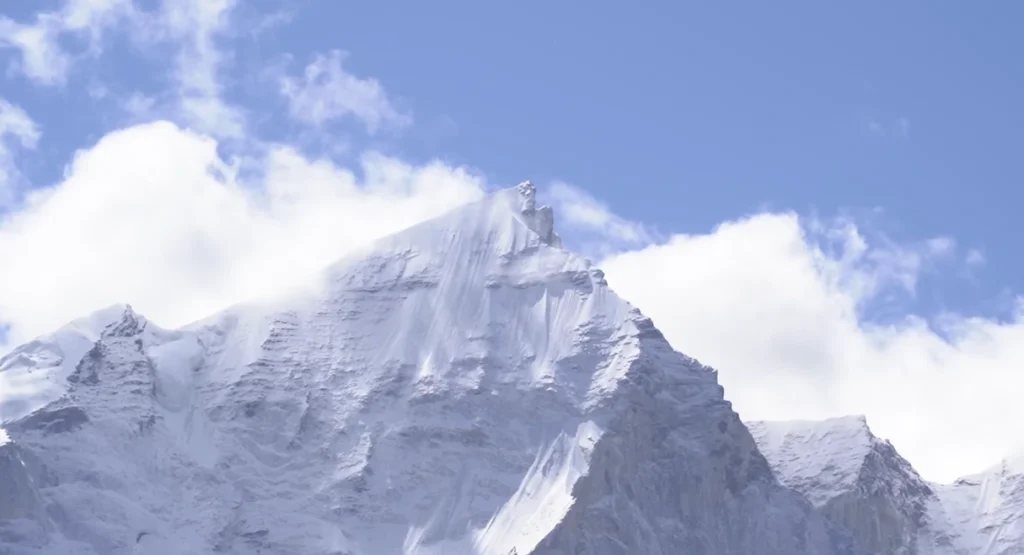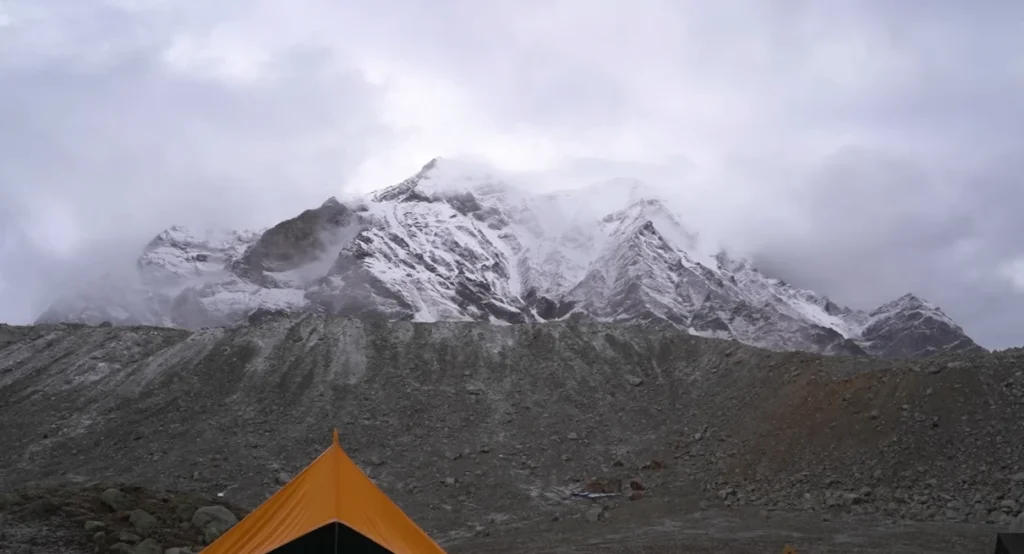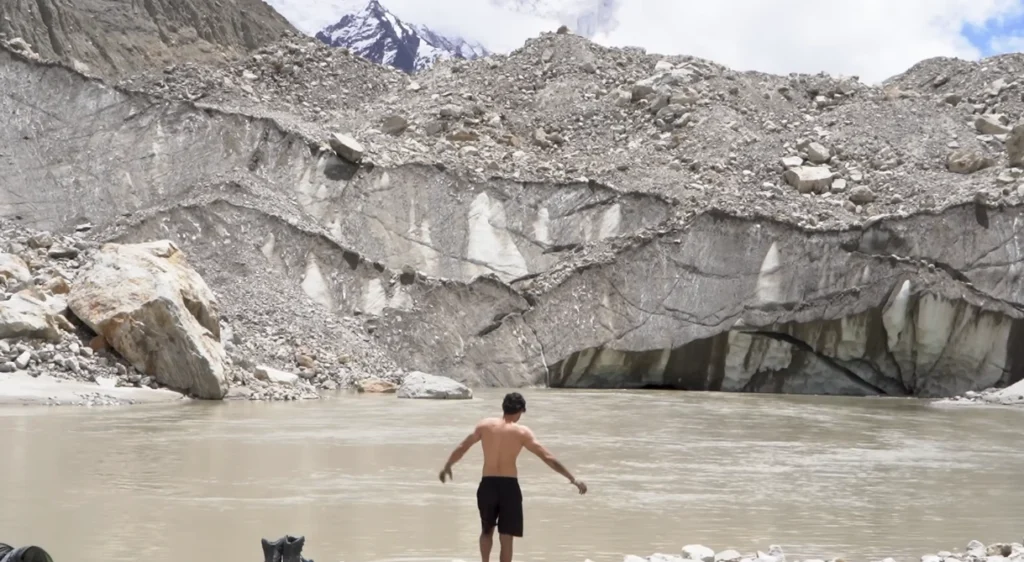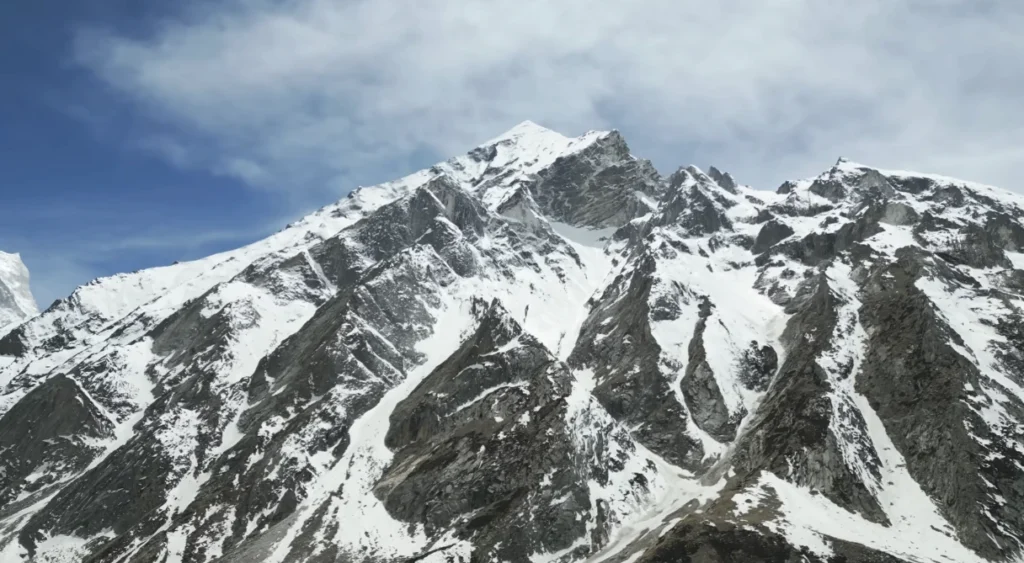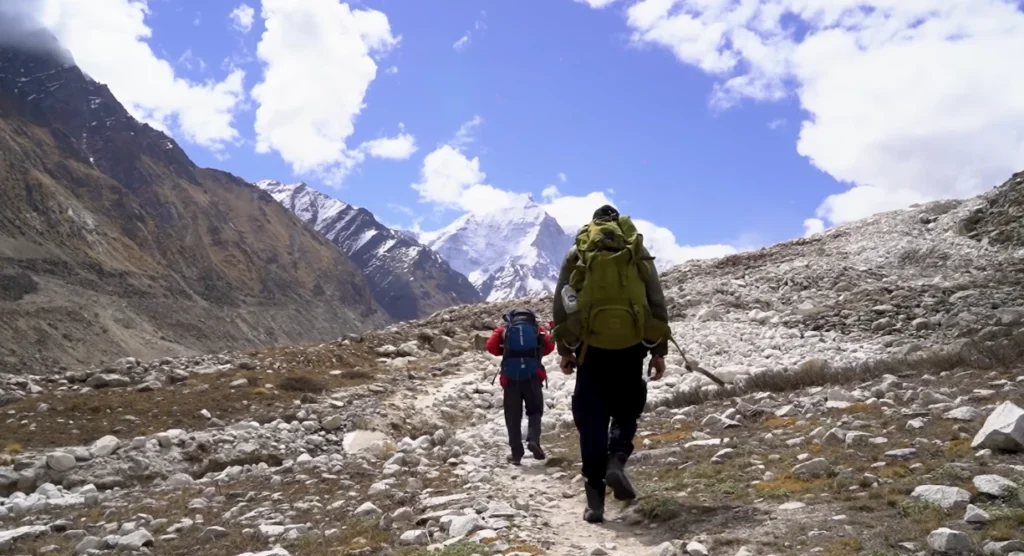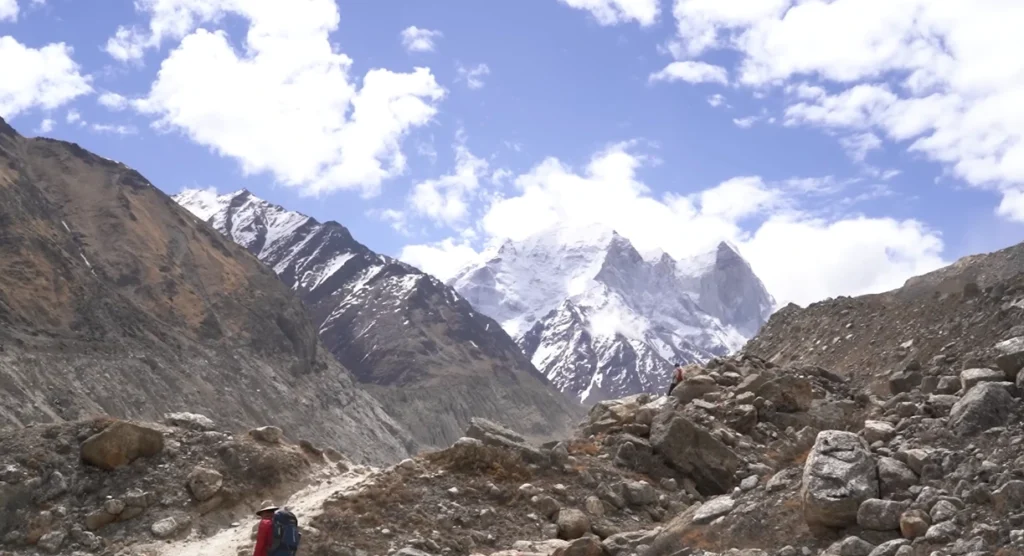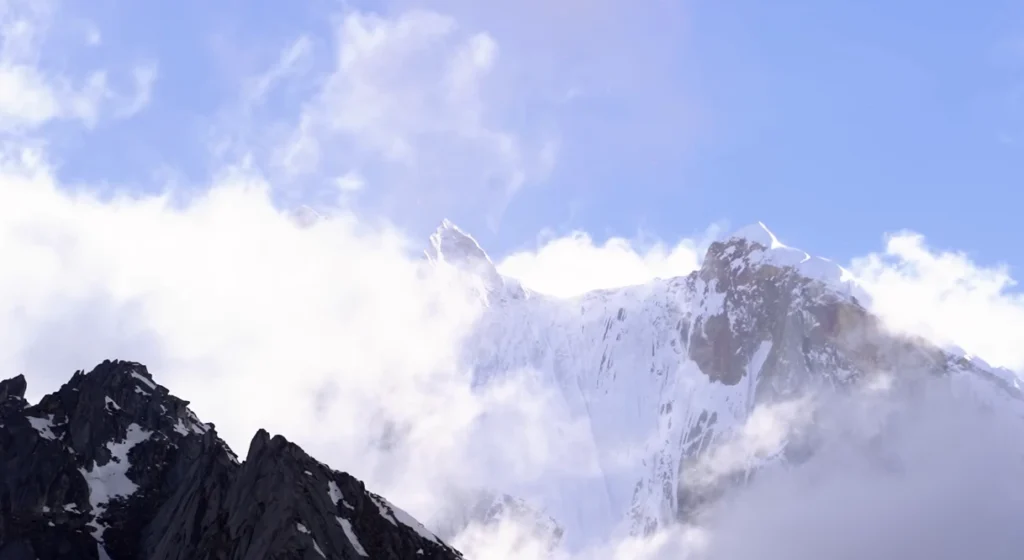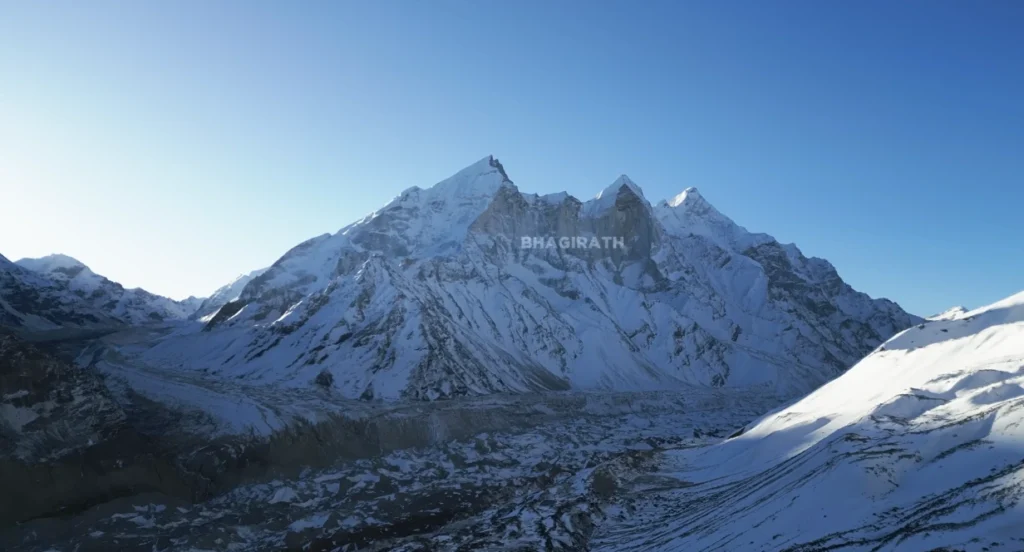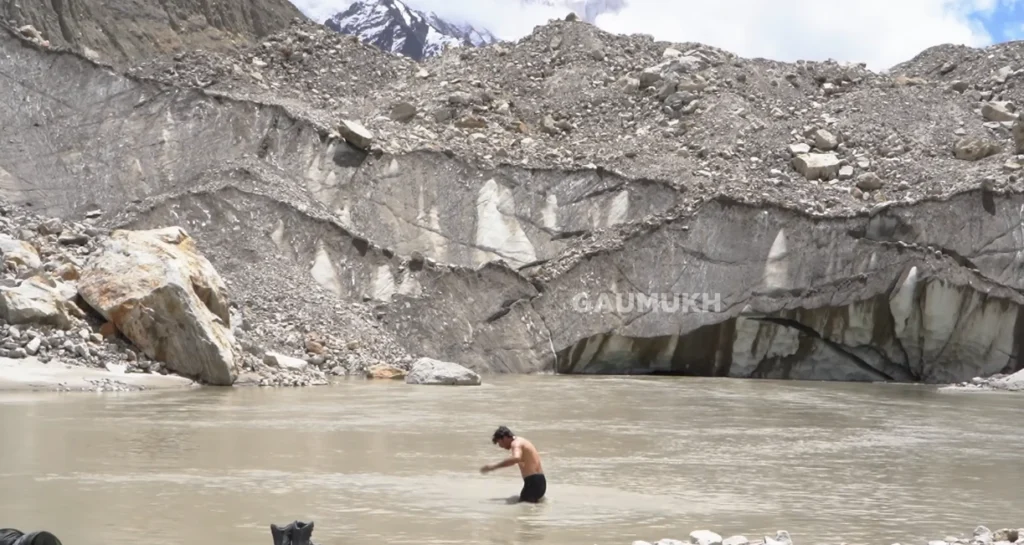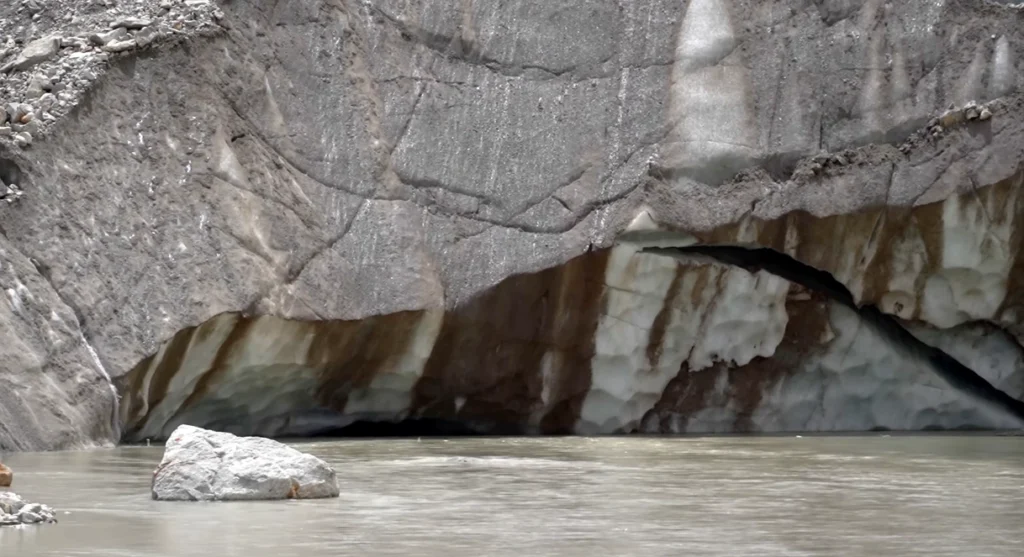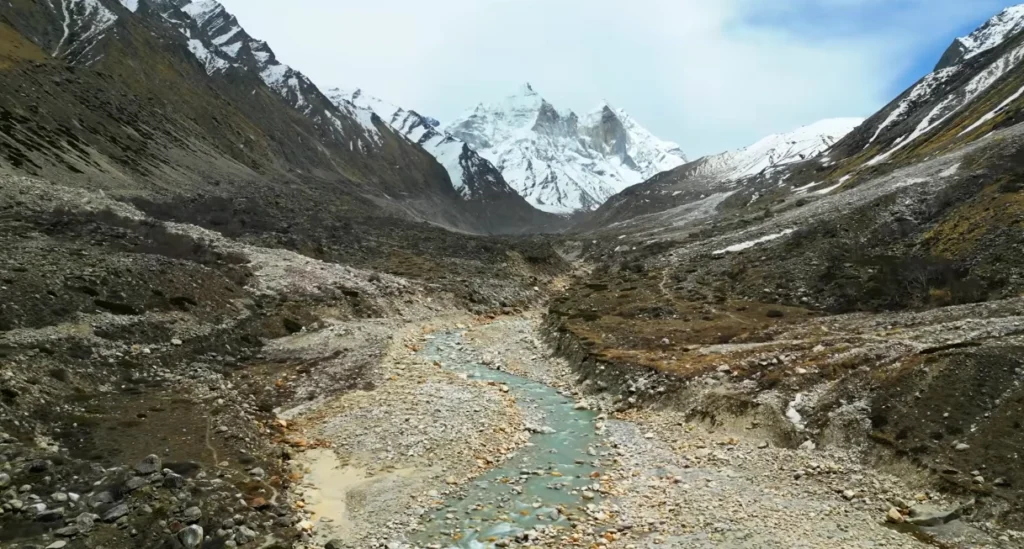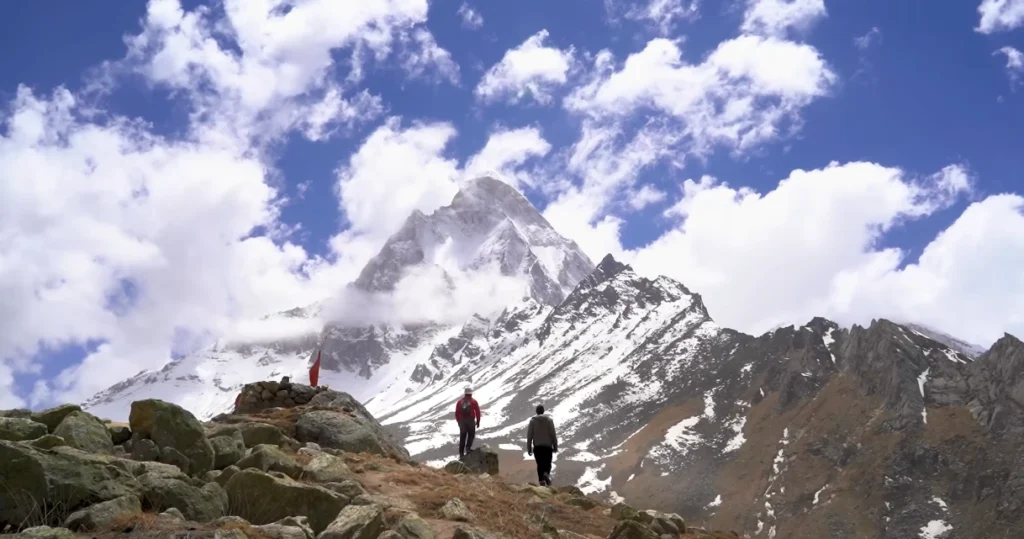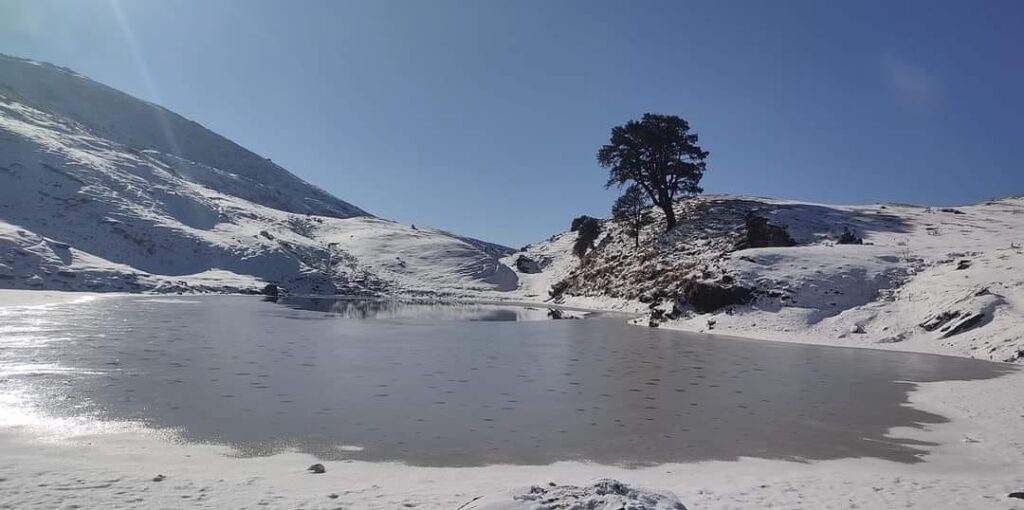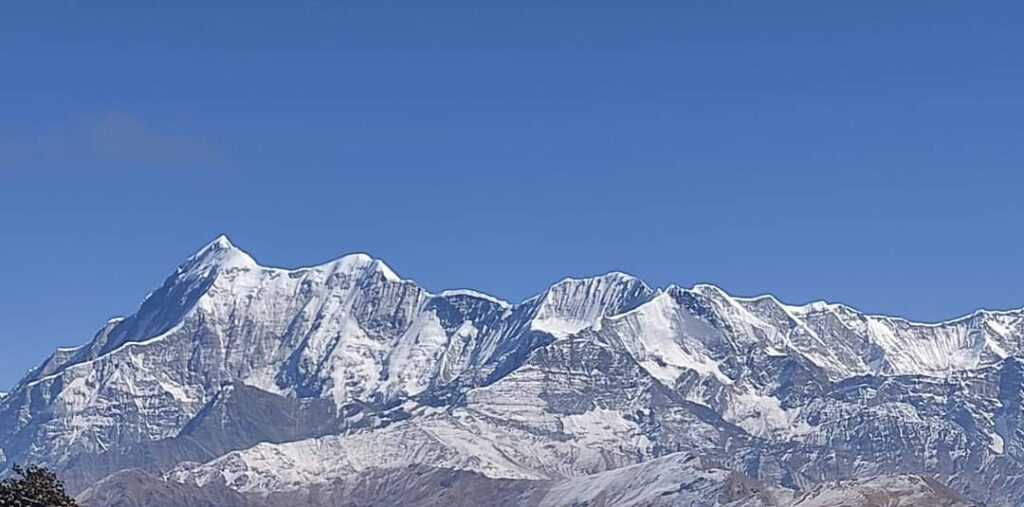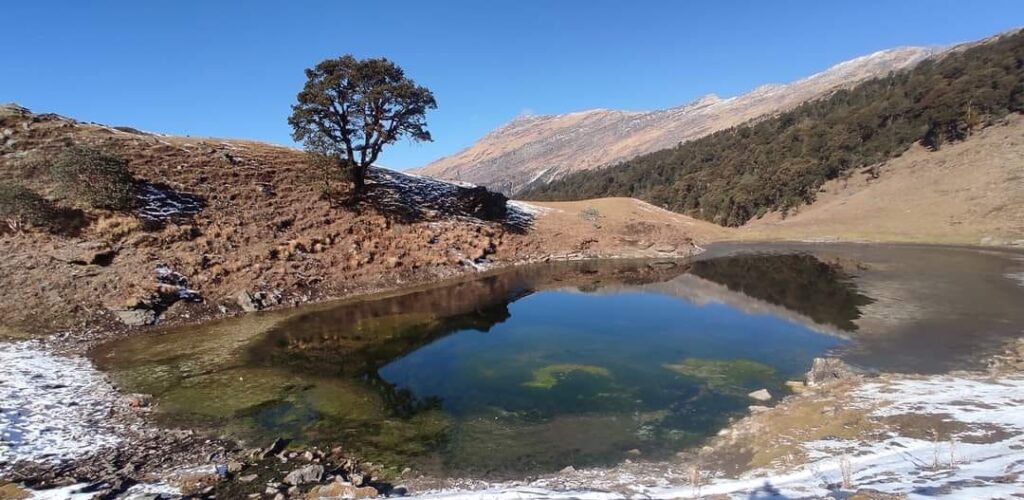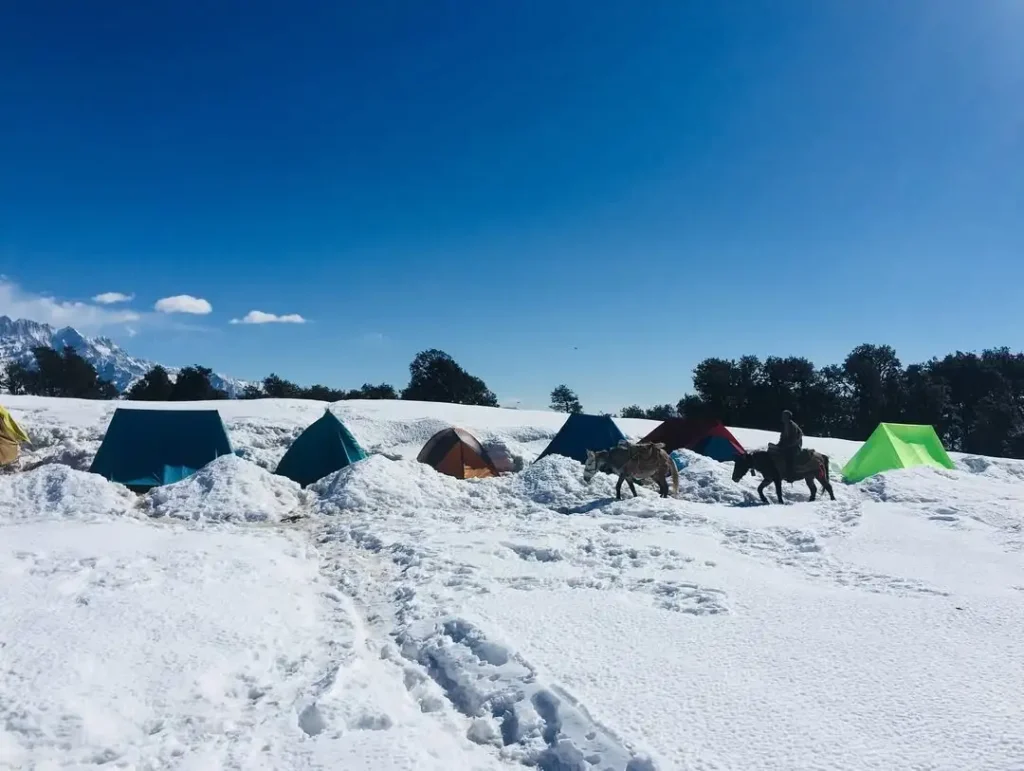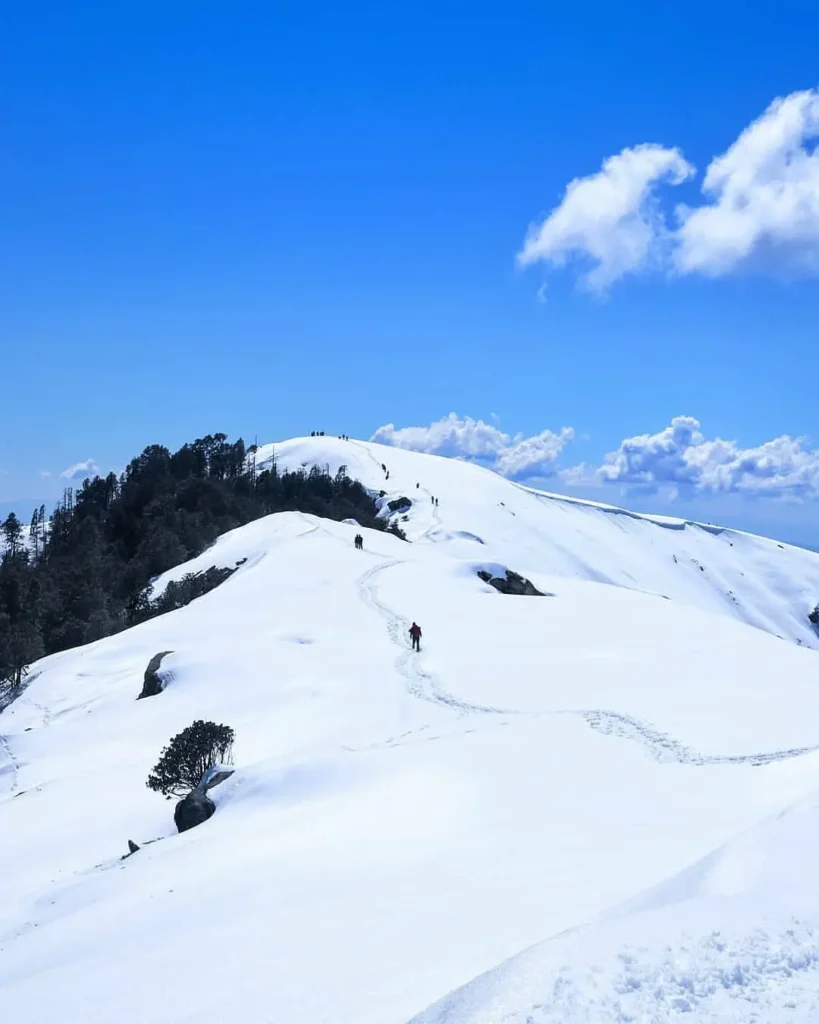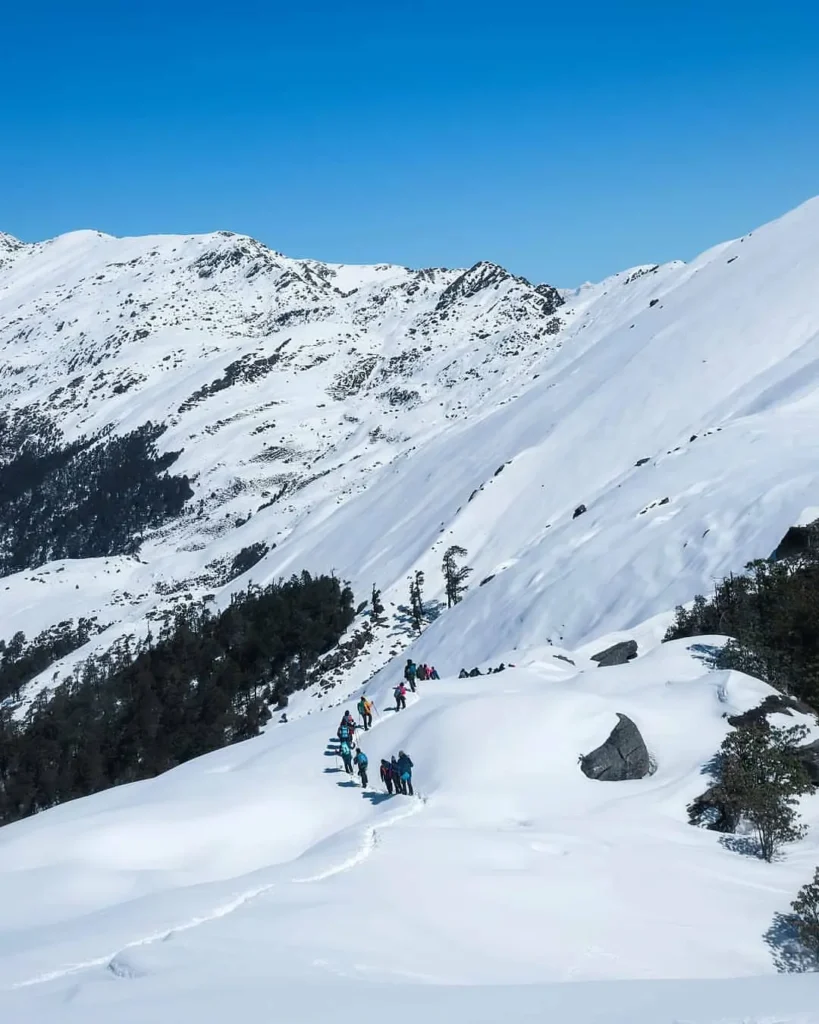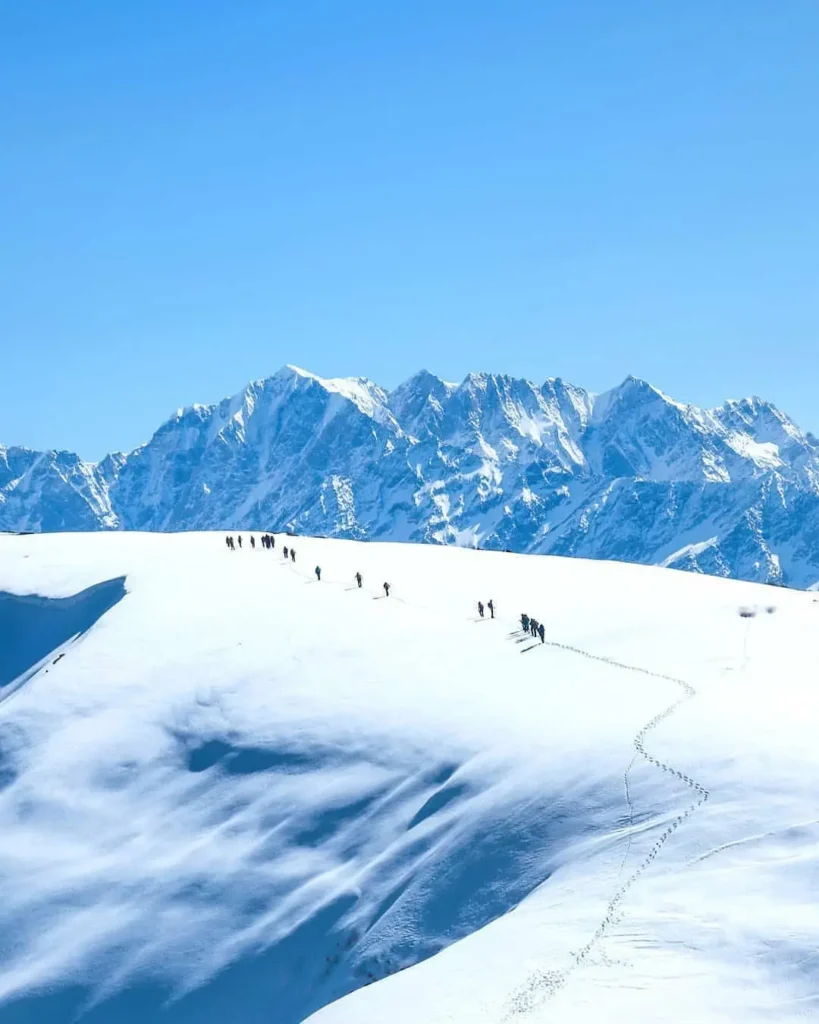
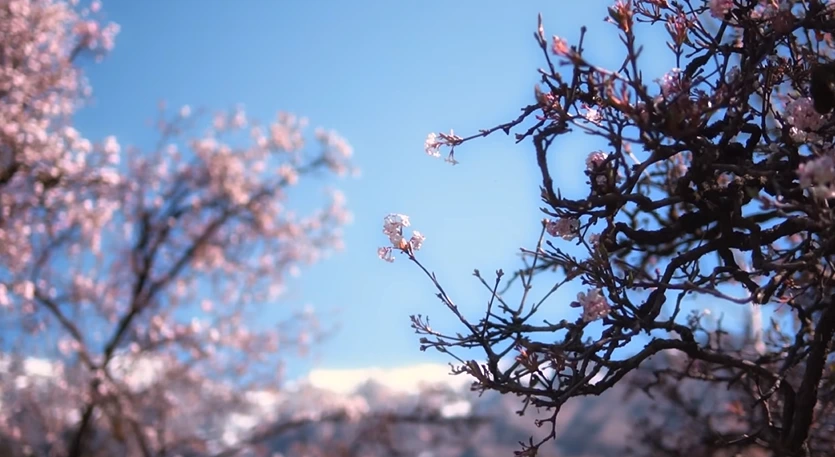
The Har Ki Dun Trek is one of the most popular and scenic treks in Uttarakhand. It is located inside the Govind Wildlife Sanctuary in the Uttarkashi district. This trek is known for its beautiful valleys, snow-covered Himalayan peaks, dense forests, alpine meadows, and old mountain villages. Har Ki Dun is also called the Valley of Gods and is among the best treks in India for nature and culture lovers.
Cultural Significance
The Har Ki Dun Trek holds deep cultural value and reflects the old traditions of the Himalayan region. The trek passes through remote villages where people still live a simple life based on farming, cattle rearing, and forest resources. These villages have preserved their customs, clothing, food habits, and festivals for generations.
One of the most important cultural highlights is Osla village, which is famous for the Duryodhan Temple. According to local belief and stories from the Mahabharata, the people of Osla worship Duryodhan and consider him a protector of their village. This belief is rare in India and makes the village culturally unique. The temple architecture is traditional and reflects old Himalayan wooden craftsmanship.
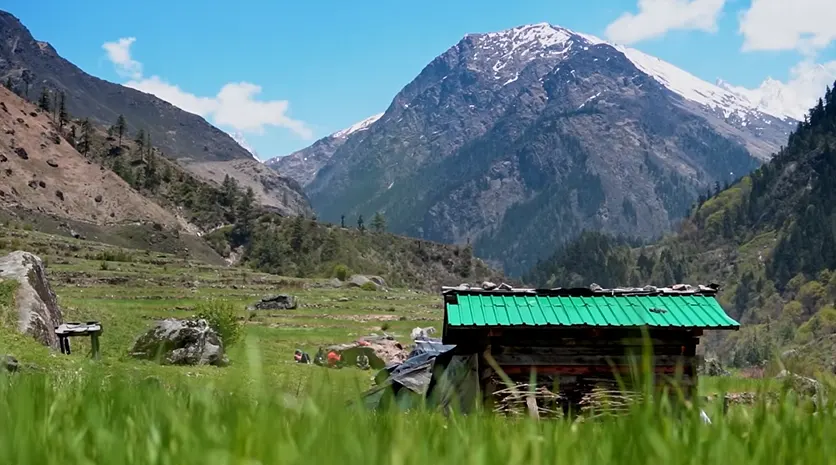
The villages along the trail follow a village council system, where decisions are taken collectively. Homes are built using stone and wood, designed to survive heavy snowfall. Traditional woolen clothes are still worn, especially during cold months, showing strong cultural roots.
Local festivals, folk songs, and rituals are closely connected to nature and seasons. Farming cycles, harvest times, and religious events are celebrated together as a community. The trek offers a close look at Garhwali culture, village life, and ancient traditions that have remained unchanged for hundreds of years.
Walking through these villages during the Har Ki Dun Trek is not just a mountain journey but also a cultural experience that connects trekkers with the history, beliefs, and lifestyle of the Himalayan people.
Religious Significance
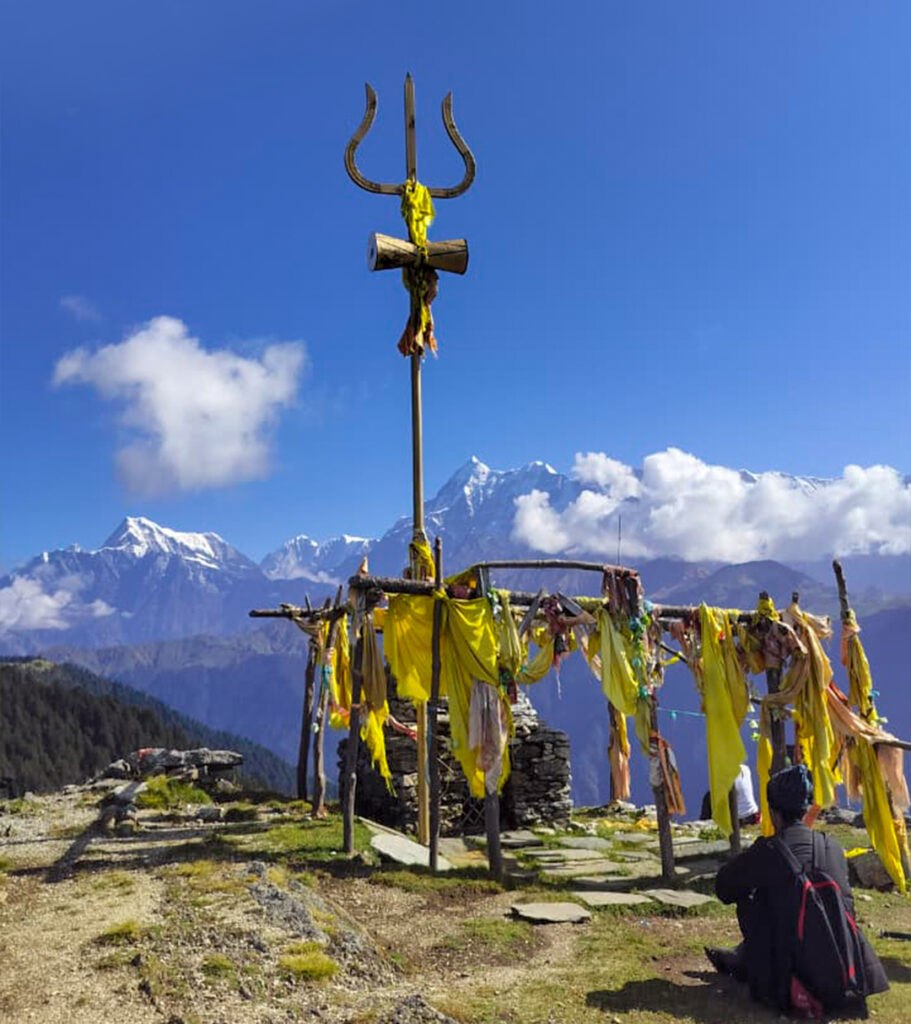
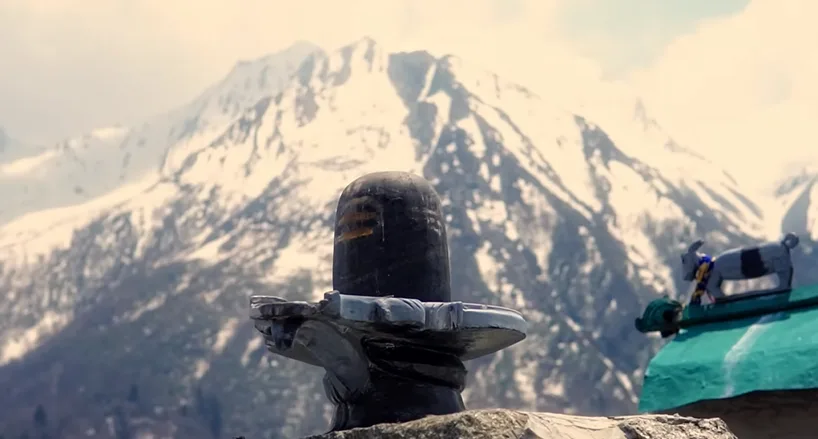
The Har Ki Dun Trek is deeply connected with Hindu beliefs and ancient legends. The name Har Ki Dun means “Valley of Lord Shiva”, and the region is considered sacred by local people. It is believed that the valley was once visited by sages and saints for meditation because of its peaceful environment.
According to Hindu mythology, the Pandavas from the Mahabharata passed through this valley on their journey towards Swargarohini Peak, which is believed to be the path to heaven. Swargarohini is clearly visible from the trek, making the valley spiritually important for devotees and trekkers alike.
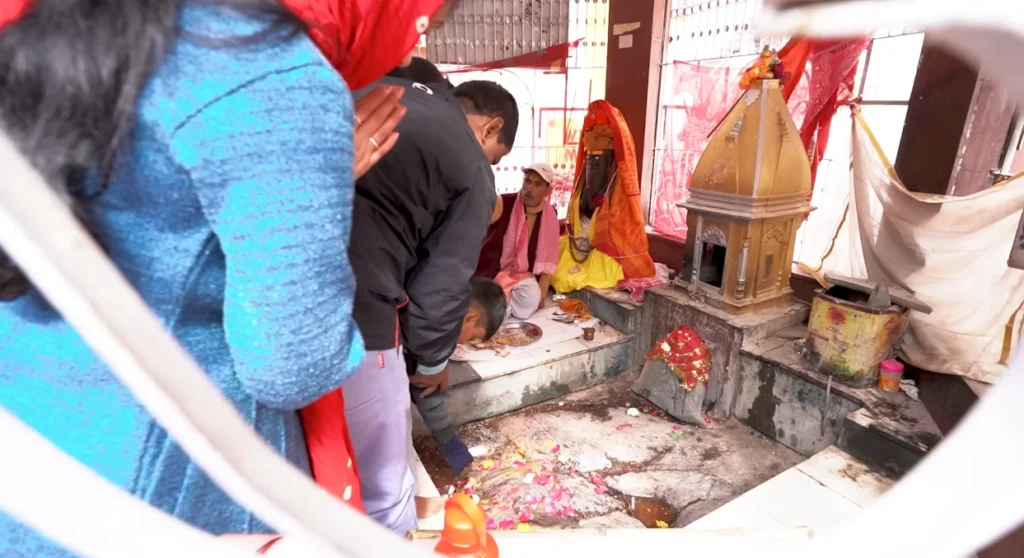
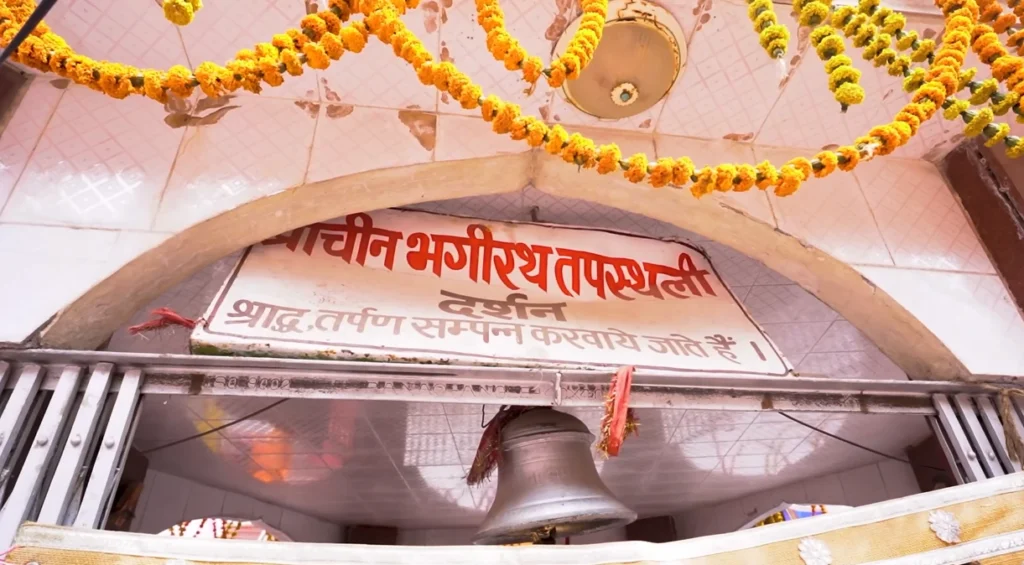
Osla village, located on the trekking route, is religiously unique because of the Duryodhan Temple. Unlike most places in India, the villagers worship Duryodhan and believe he protected the region. Regular rituals and prayers are performed here, and the temple plays a central role in village life.
The presence of ancient temples, sacred forests, rivers like the Supin, and untouched natural surroundings strengthens the spiritual atmosphere of the trek. Local people treat mountains, forests, and rivers with respect and consider them part of their religious beliefs.
The Har Ki Dun Trek is not only a journey through nature but also a spiritual path where mythology, faith, and Himalayan traditions come together, making it meaningful for both pilgrims and trekkers.
Flora & Fauna
The Har Ki Dun Trek passes through the rich forests of the Govind Wildlife Sanctuary, making it one of the best treks in Uttarakhand for nature lovers. The region is known for its wide variety of plants, trees, birds, and animals found in the middle and high Himalayan ranges.
The lower sections of the trek are covered with pine, deodar, oak, and cedar forests. As the altitude increases, the trail opens into alpine meadows filled with seasonal wildflowers. During spring and summer, the valley is dotted with rhododendrons, orchids, primulas, and colorful Himalayan flowers. In autumn, the forests turn golden and brown, giving the valley a warm look.
Har Ki Dun is also rich in wildlife. Trekkers may spot animals like barking deer, Himalayan langur, wild boar, and mountain goats. In remote areas, signs of leopard presence are sometimes seen, though sightings are rare. The region is home to many bird species, including the Himalayan Monal, which is the state bird of Uttarakhand, along with eagles, woodpeckers, and snow pigeons.
The clean rivers, dense forests, and protected environment help preserve this natural habitat. The diversity of flora and fauna adds great value to the Har Ki Dun Trek, making it a perfect journey for those who enjoy forests, wildlife, and untouched Himalayan nature.
Geography & Landscape
The Har Ki Dun Trek is located in the Garhwal Himalayas of Uttarakhand, within the Govind Wildlife Sanctuary of Uttarkashi district. The valley lies between the Tons River basin and the Yamuna catchment area, making it an important geographical region of the western Himalayas.
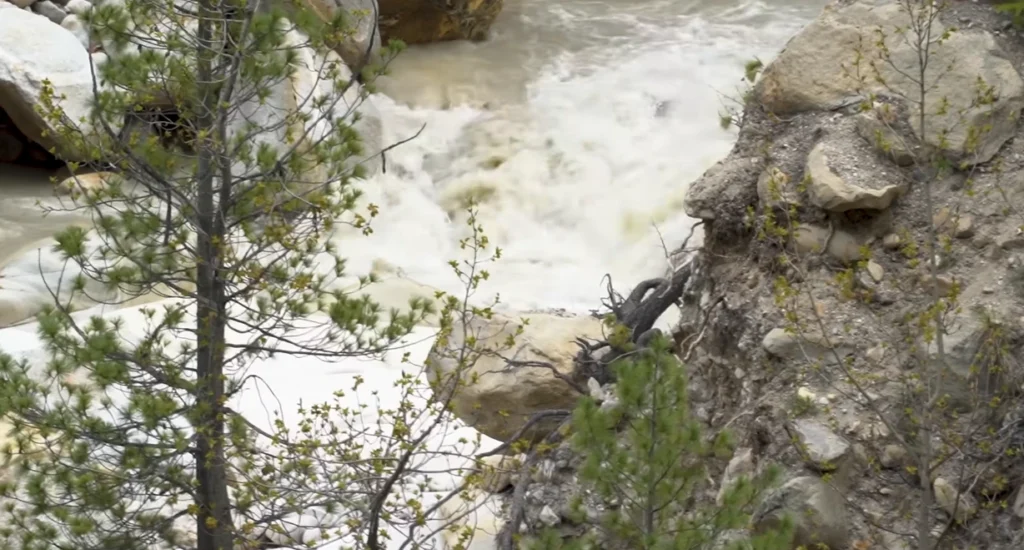
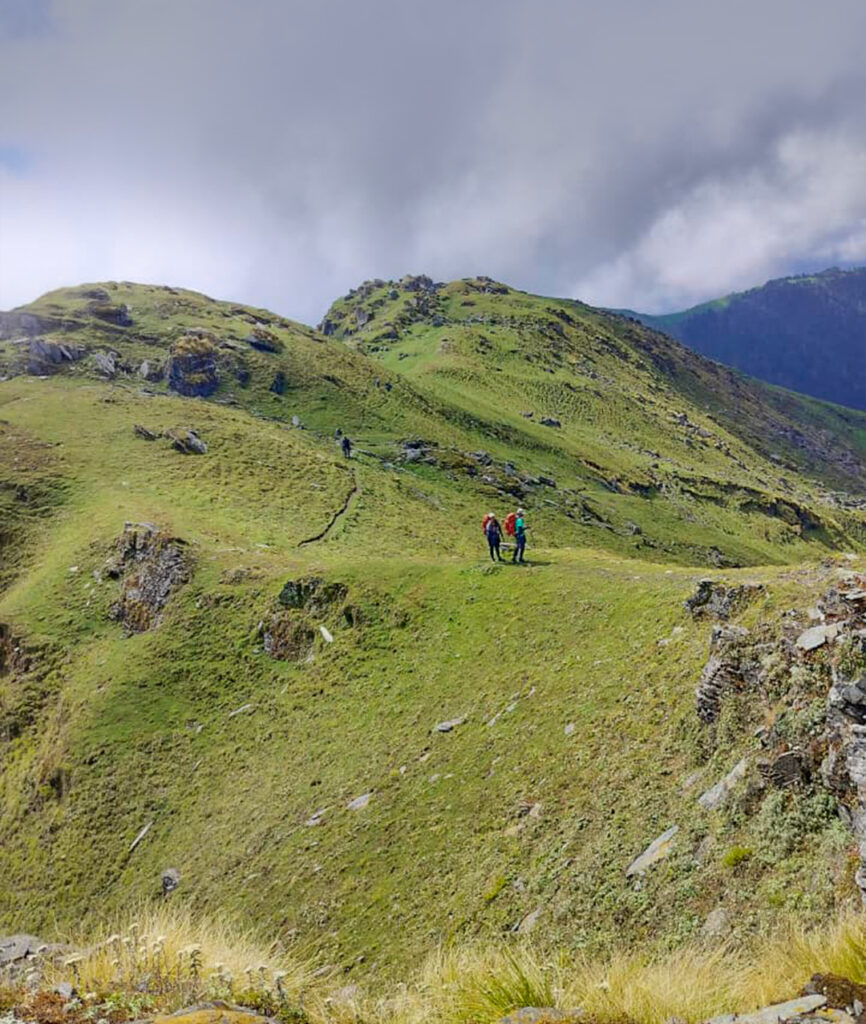
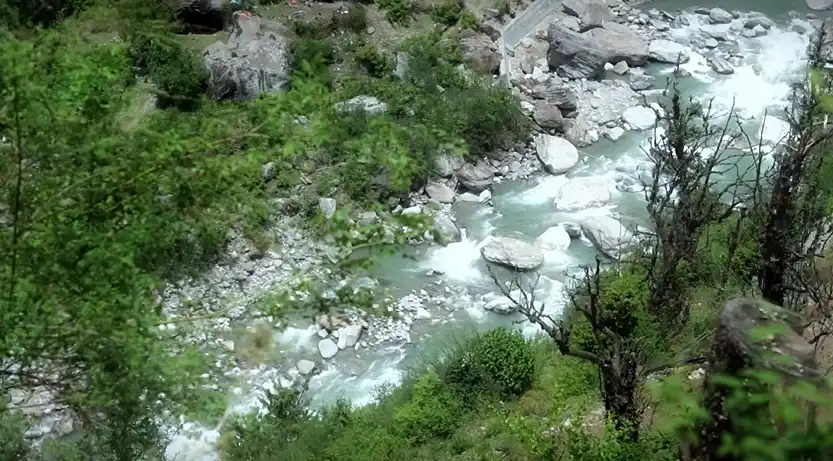
The trek follows the course of the Supin River, which originates from glaciers near the Har Ki Dun Valley. The landscape changes gradually from river valleys and dense forests to wide alpine meadows and glacial basins. The trail passes through narrow paths, wooden bridges, rocky sections, open grasslands, and snow-covered stretches at higher altitudes.
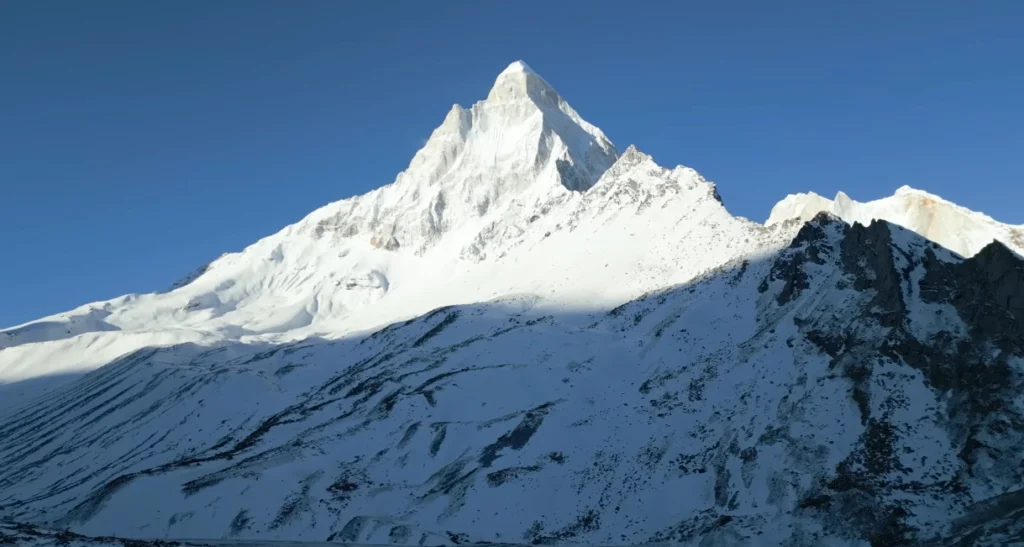
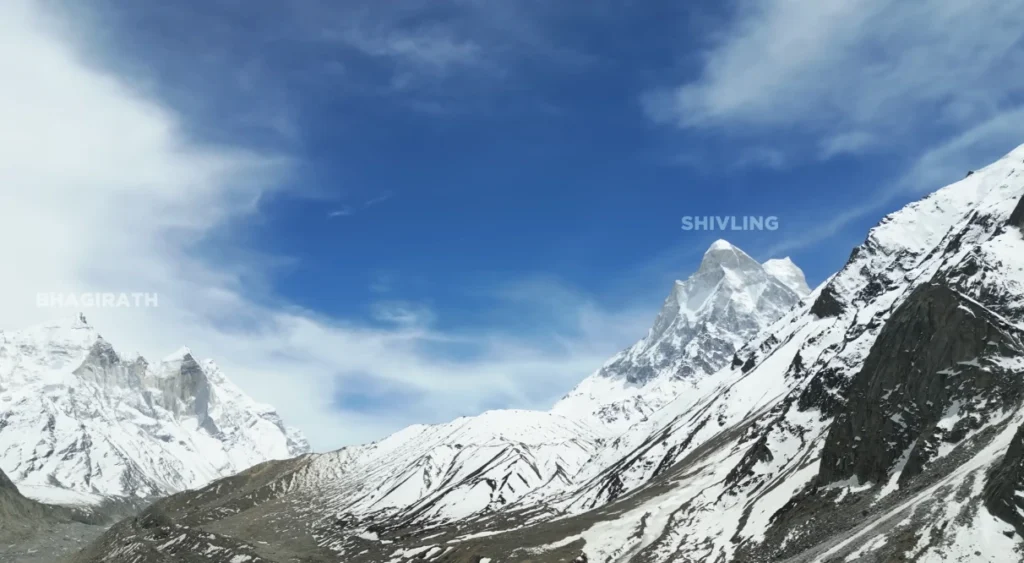
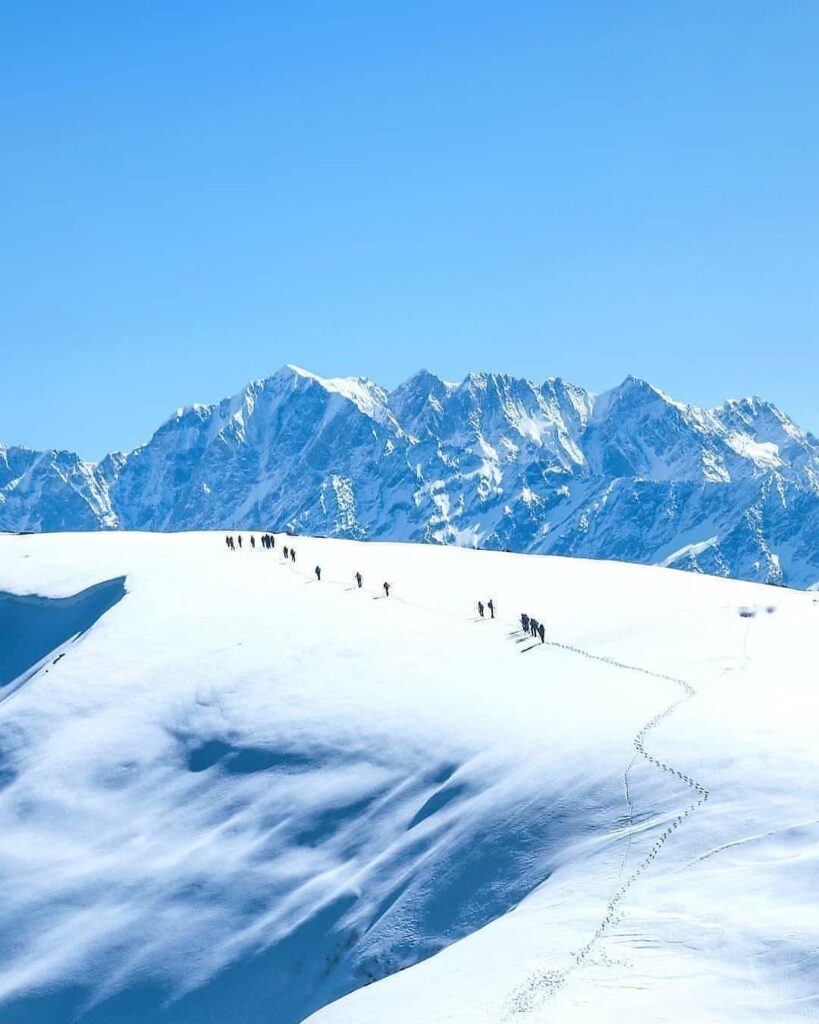
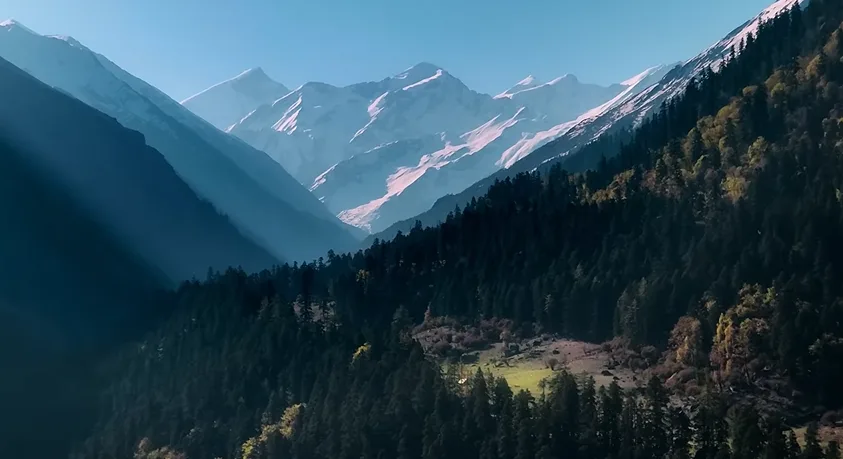
Har Ki Dun is surrounded by high Himalayan peaks such as Swargarohini, Bandarpoonch, Black Peak, and Hata Peak. These mountains form a natural wall around the valley and remain snow-covered for most of the year. The valley floor is broad and open, making it different from many narrow Himalayan valleys.
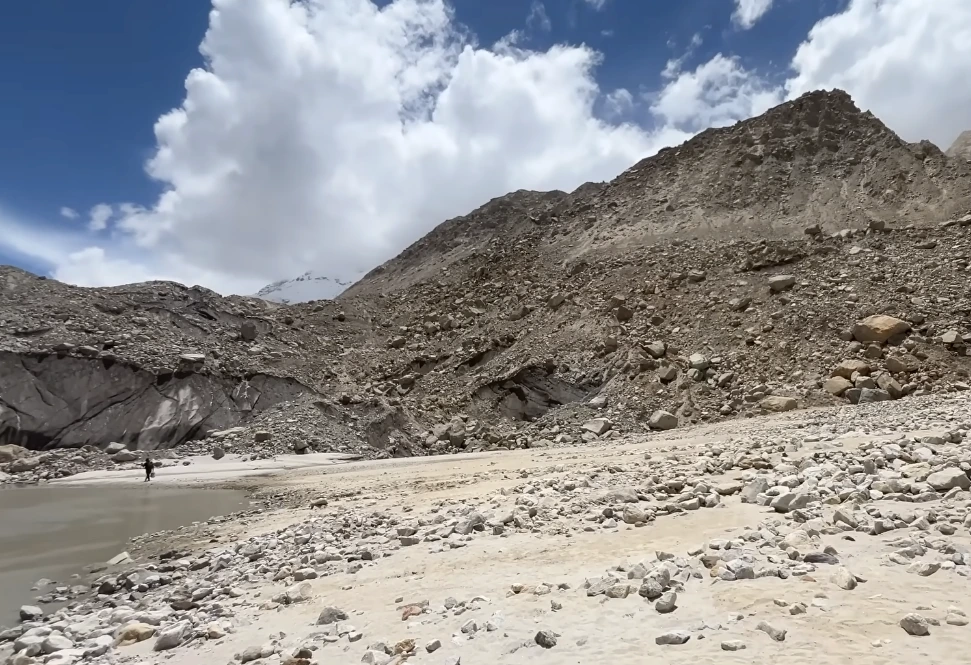
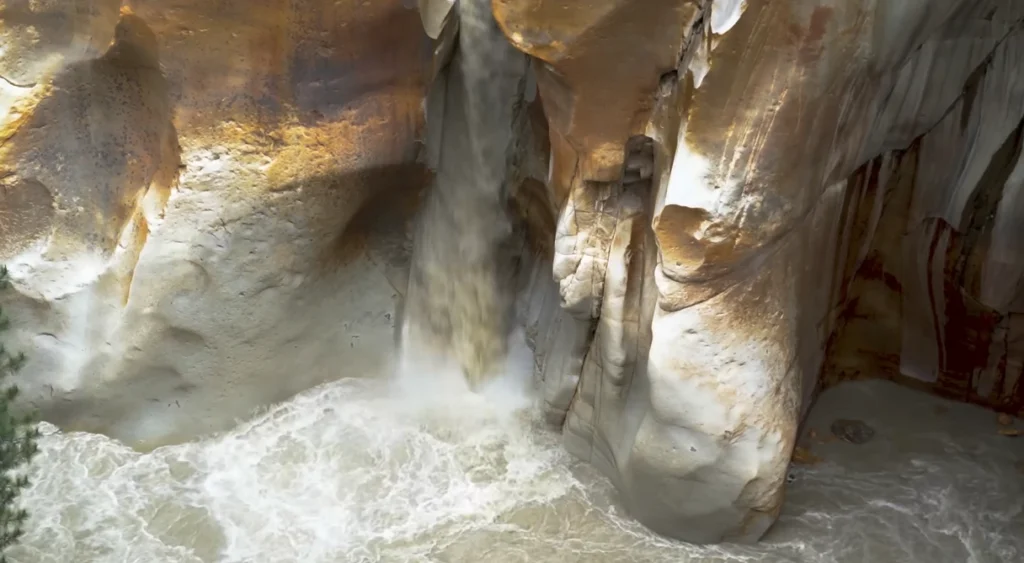
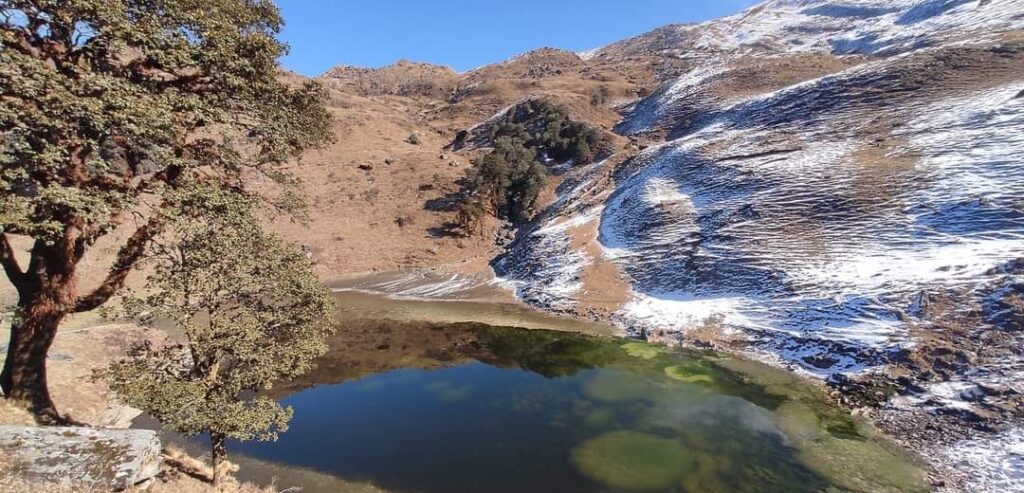
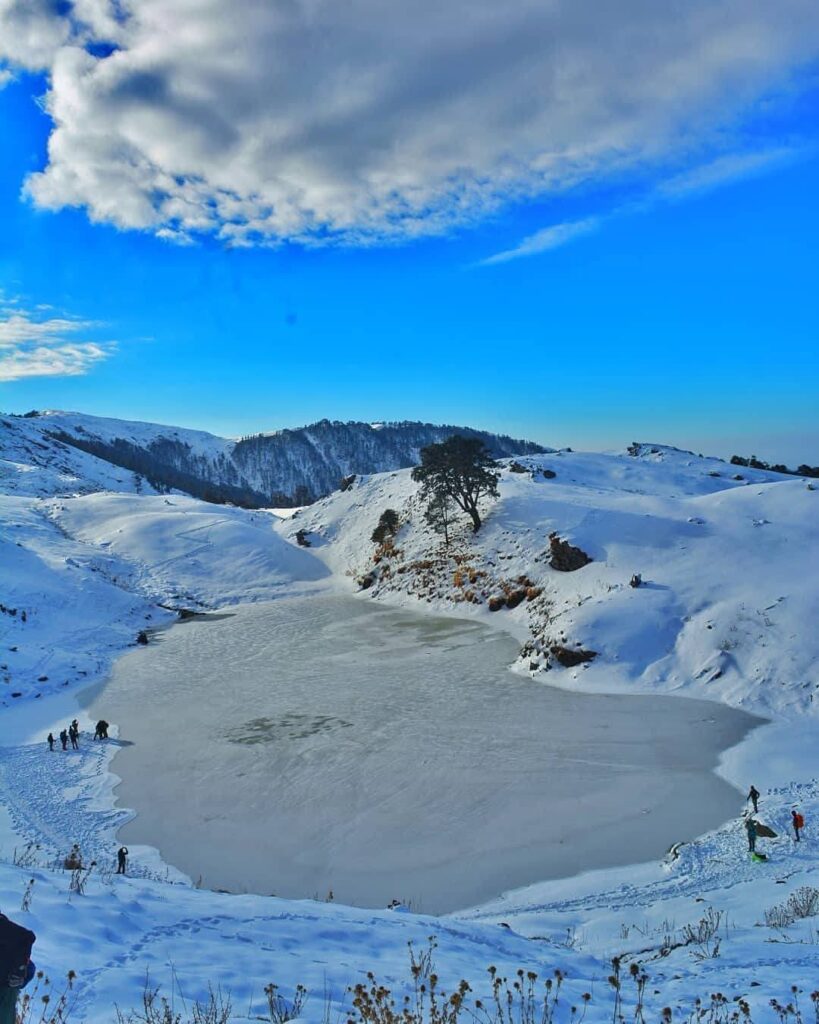
The region also has moraines, frozen streams, waterfalls, and seasonal snowfields, especially near Har Ki Dun and Maninda Lake. The mix of forests, rivers, meadows, and high peaks gives the trek a varied and balanced landscape. This natural geography makes the Har Ki Dun Trek one of the most scenic and diverse treks in Uttarakhand.
Best Time to Visit
The Har Ki Dun Trek can be done in different seasons, and each season offers a unique experience. The best time depends on what kind of scenery you want to see.
March to June (Spring and Summer):
This is one of the best times to do the Har Ki Dun Trek. The weather is
pleasant, the snow starts melting, and the valley becomes green and
lively. Alpine flowers bloom, rivers flow with clear water, and mountain
views are sharp. Day temperatures are comfortable for trekking, while
nights are cold but manageable.
September to November (Autumn):
This is another ideal season for the trek. The sky remains clear, and
the mountain views are at their best. The forests turn golden and brown,
giving beautiful colors to the landscape. Weather remains stable, and
the trail is dry, making it safe and enjoyable.
December to February (Winter):
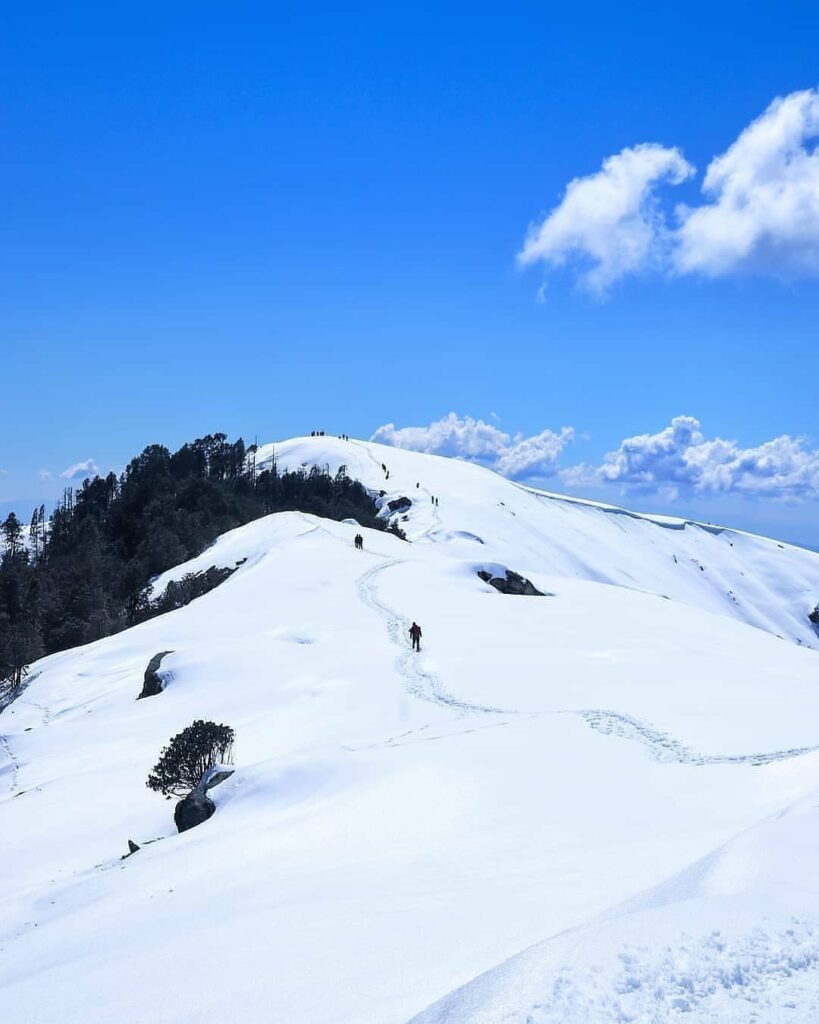
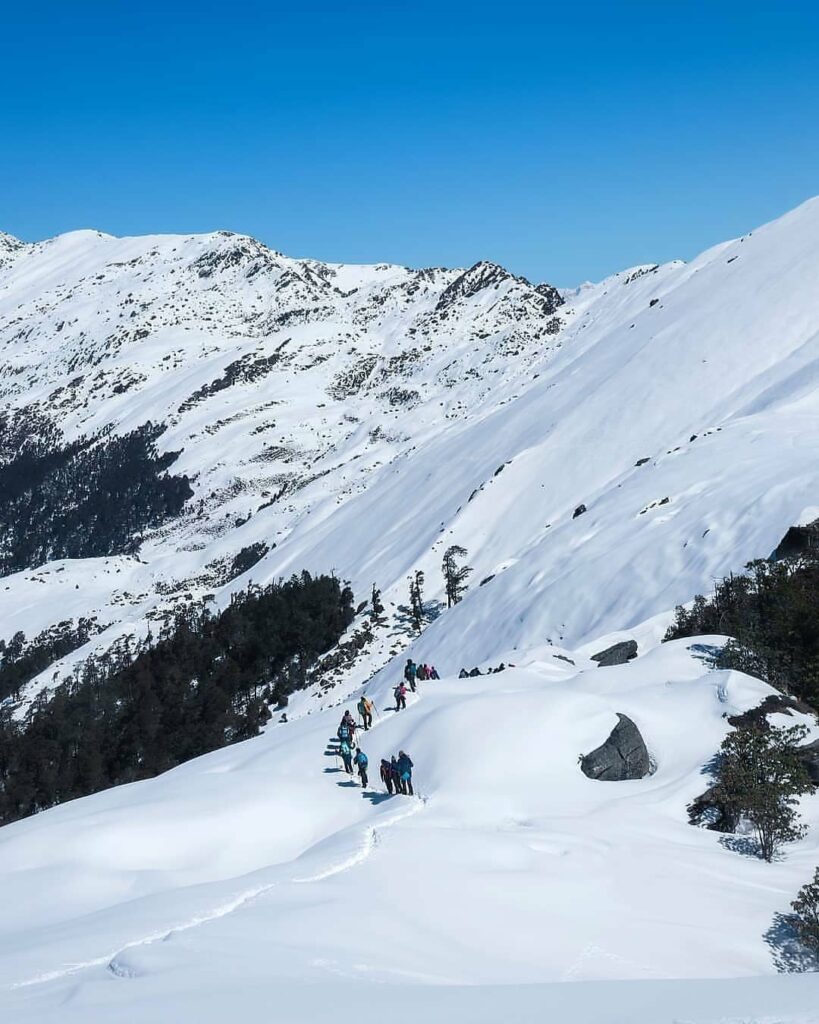
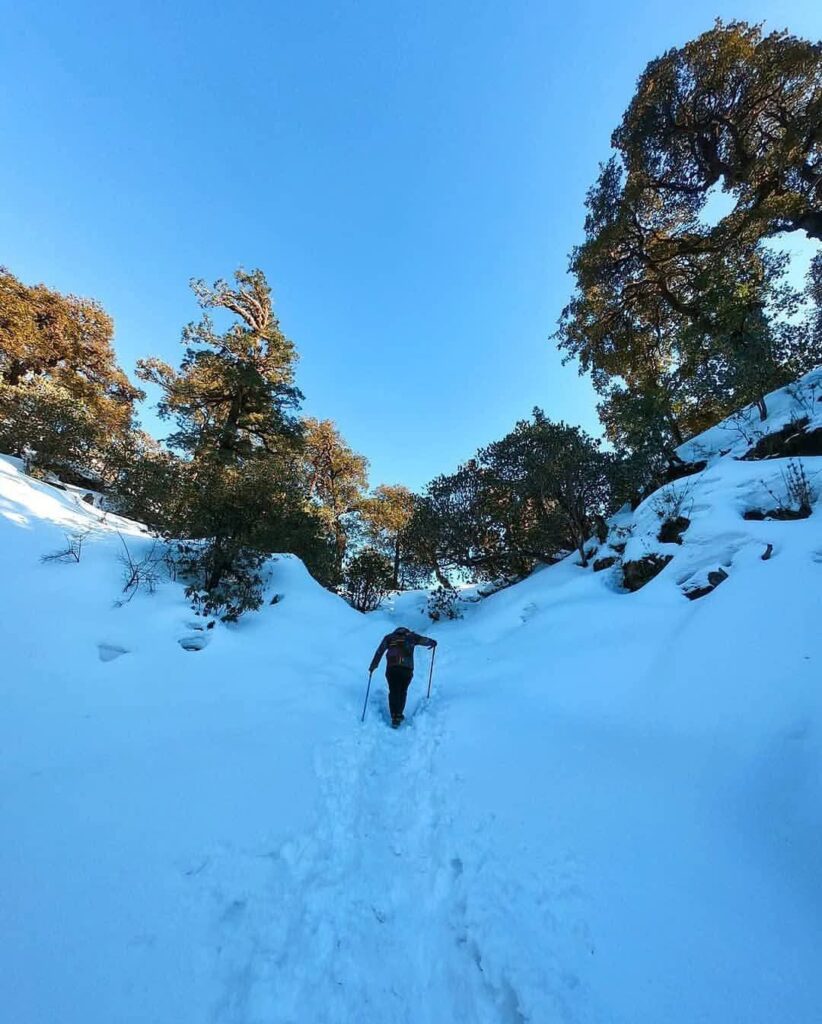
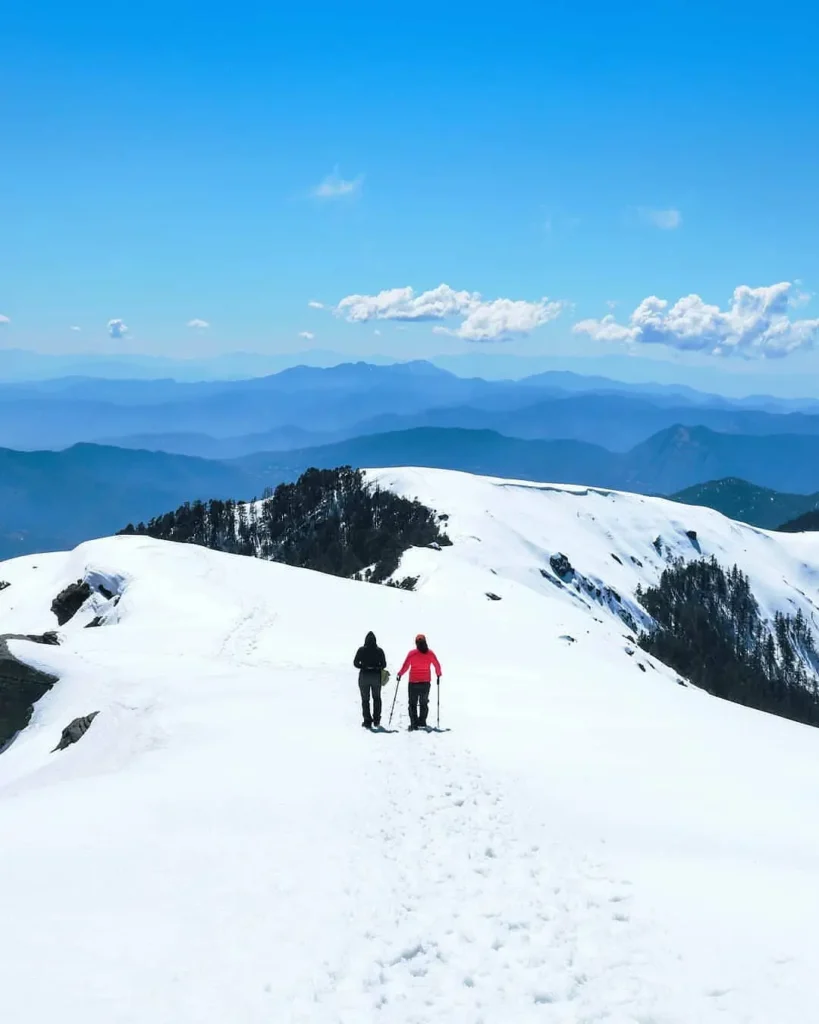
During winter, the Har Ki Dun Trek turns into a snow trek. The entire
valley gets covered in snow, offering a completely different experience.
Temperatures drop below zero, and the trek becomes more challenging. It
is suitable only for experienced trekkers who want a snow adventure.
July and August (Monsoon):
The trek is usually avoided during monsoon due to heavy rainfall,
slippery trails, and the risk of landslides. Travel and trekking
conditions are not safe during this period.
For most trekkers, March to June and September to November are considered the best and safest times to visit Har Ki Dun.
Weather and Temperature Guide
The weather on the Har Ki Dun Trek changes with seasons due to altitude and mountain conditions. Knowing the temperature helps in planning proper clothing and gear.
March to April (Early Spring):
Days are cool and pleasant with temperatures between 10°C to 15°C.
Nights are cold and can drop to 0°C to -5°C. Snow is present on higher
sections of the trail.
May to June (Late Spring to Summer):
Day temperatures range from 12°C to 20°C, making trekking comfortable.
Nights remain cold between 2°C to 5°C. Snow melts and the valley turns
green.
July to August (Monsoon):
Day temperatures stay around 15°C to 18°C. Heavy rainfall makes trails
slippery and risky. Landslides are common, so trekking is generally
avoided.
September to October (Autumn):
Weather is clear and stable. Day temperatures range from 10°C to 15°C,
while nights drop to 0°C to -5°C. Excellent mountain views during this
time.
November to February (Winter):
The valley receives heavy snowfall. Day temperatures stay between -5°C
to 5°C, and night temperatures can fall to -10°C or lower. Suitable only
for experienced snow trekkers.
Weather in the Himalayas can change quickly, so trekkers should always carry warm layers and rain protection, regardless of the season.
Why Choose Mount Hikers
- Trusted Trek Leaders: Experienced guides who know the Har Ki Dun trail well and ensure your safety at every step.
- Comfortable Accommodation: Good hotel stay at Sankri and quality camping on the trek.
- Proper Meal Planning: Nutritious and timely meals to keep you energized throughout the trek.
- Safety First: First aid kits, oxygen support, and knowledgeable staff for emergencies.
- Well-Organized Logistics: Transportation, permits, and campsites are arranged so you can focus on the trek.
- Local Support Team: Skilled local guides and cooks familiar with mountain conditions and culture.
- Easy to Moderate Trek Pace: Trek planned with gradual ascents and proper rest stops for all fitness levels.
- Clear Communication: All information shared in advance – route, packing list, weather, and daily plan.
- Natural & Cultural Experience: Blend of forest trails, mountain views, village visits, and local traditions.
- Memorable Journey: A Himalayan trek experience that is safe, scenic, and well-supported from start to finish.
Choose Mount Hikers for a reliable and enjoyable Har Ki Dun trekking experience in the Indian Himalayas.
Important Note
- No drugs, illegal items, or banned substances are allowed during the tour.
- Weapons, fireworks, and harmful items are strictly not allowed.
- If anyone breaks the rules or the law, they will be asked to leave the trip with no refund.
- Trek360 is not responsible for your safety if you go outside the campsite on your own.
- If you damage tents, pillows, mattresses, or any campsite items, you must pay the full cost.
- Trek360 is not responsible for any loss or theft of your personal things.
- Every guest must carry a valid government ID card.
- Only registered travelers are allowed inside the campsite. If you want to bring someone else, you must inform us earlier.
- Your booking is confirmed only after full payment is received.
- Trek360 is not responsible for any injury or loss during the trip. Please travel safely.
- Please help us keep the environment clean and safe.
- If the vehicle breaks down, you will have to wait until it is repaired. No extra vehicle will be provided.
- Delays may happen due to traffic or road conditions.
- Tickets or bookings cannot be exchanged, cancelled, or refunded.
- The AC of the vehicle will be turned off when the hill area starts.
- Misbehaviour of any kind will not be accepted.
-
Dehradun
-
Veg
-
12000 FT
Overview
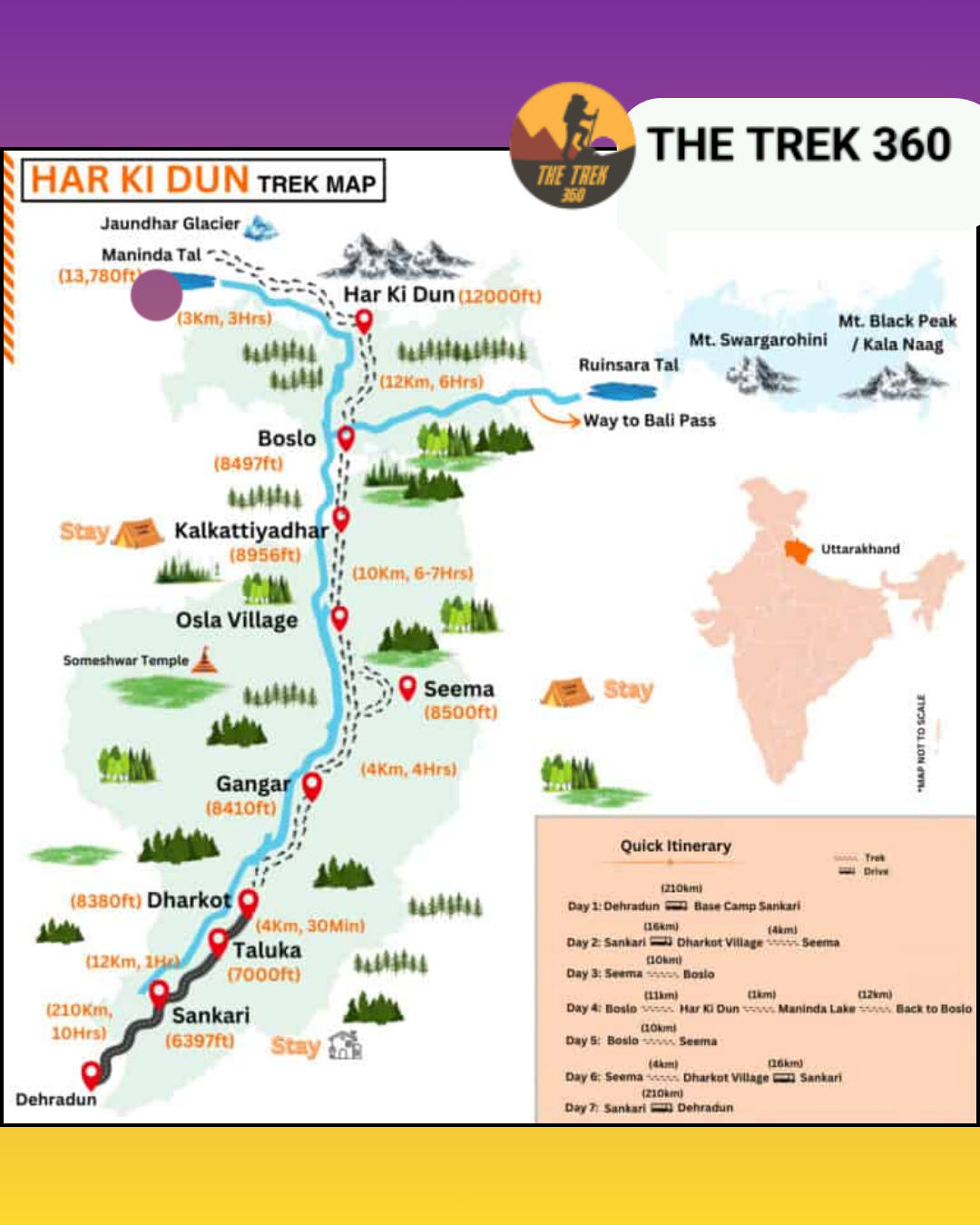
The Har Ki Dun Trek Package starts from Dehradun and reaches Sankri village, which is the base camp of the Har Ki Dun Trek. Sankri is a small and peaceful Himalayan village surrounded by pine and deodar forests. From Sankri, the trail goes through Taluka, Dharkoat, Seema, and Osla village. Osla village is very famous because of the Duryodhan Temple, which is linked to stories from the Mahabharata. Local people still follow old traditions and wear traditional clothes, giving a true Himalayan village experience.
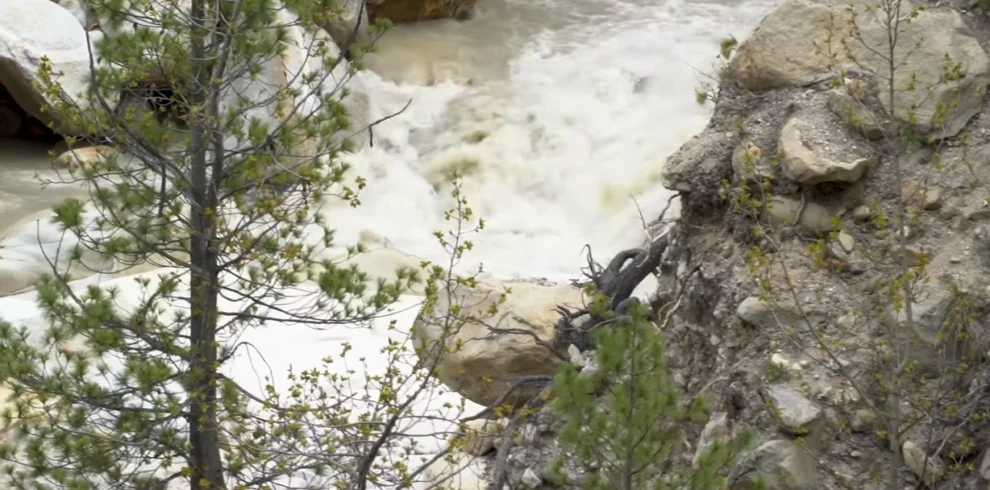
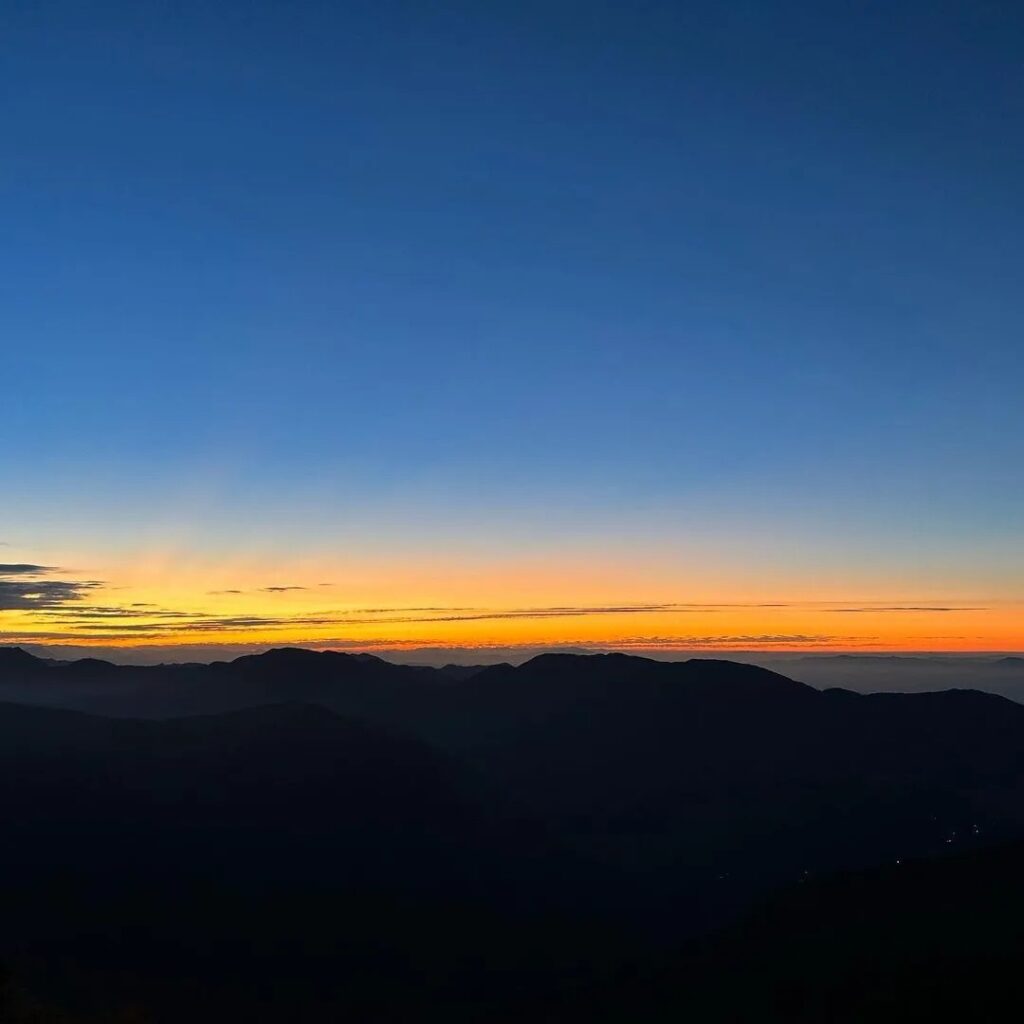
During the trek, you walk along the Supin River, cross wooden bridges, pass through thick forests, open meadows, waterfalls, and snow patches. The trek offers clear views of famous Himalayan peaks like Swargarohini Peak, Bandarpoonch, Black Peak, and Hata Peak. The main highlight of the trek is reaching the Har Ki Dun Valley and visiting Maninda Lake, which is surrounded by green meadows and colorful mountain flowers.
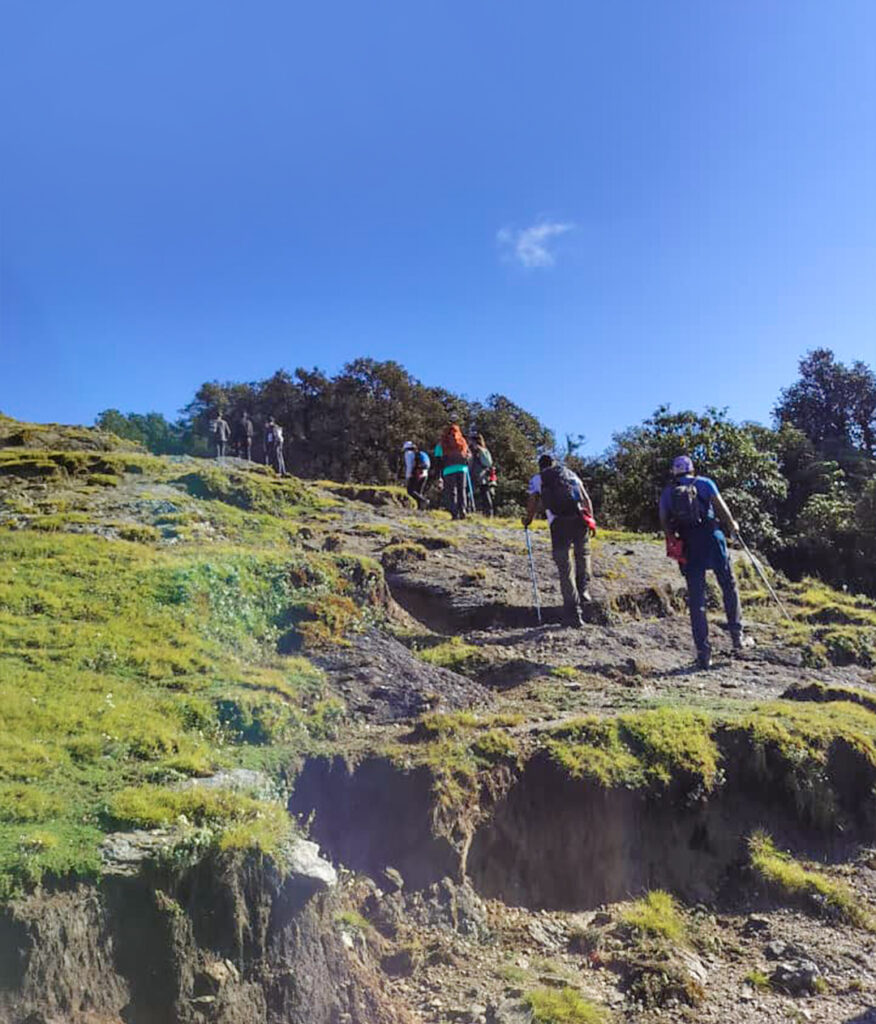
The Har Ki Dun Trek difficulty level is easy to moderate, which makes it suitable for beginners with basic fitness and also enjoyable for experienced trekkers. The trail is well-defined, and the altitude gain is gradual, making acclimatization comfortable. This trek is perfect for people who want a safe and rewarding Himalayan trekking experience.
With The Trek 360, the Har Ki Dun Trek is organized with experienced local guides, comfortable stays, proper meals, and strong safety support. It is an ideal trek for those looking for the best trekking experience in Uttarakhand with natural beauty, culture, and history combined.
Highlights
- Scenic Drive to Sankri: Beautiful mountain drive from Dehradun via Mussoorie, Purola, Mori, and the Tons Valley.
- Govind Wildlife Sanctuary Trek: Trek through protected forests filled with pine, deodar, and alpine trees.
- Peaceful Sankri Village Stay: Experience life in Sankri, a calm Himalayan village with mountain and forest views.
- Supin River Walk: Follow the Supin River trail with wooden bridges and clear water streams.
- Traditional Himalayan Villages: Walk through Taluka, Dharkoat, Seema, and Osla to see local culture and village life.
- Osla Village and Duryodhan Temple: Visit the ancient Duryodhan Temple linked to Mahabharata stories.
- Snow-Covered Himalayan Peaks: Enjoy views of Swargarohini, Bandarpoonch, Black Peak, and Hata Peak.
- Har Ki Dun Valley Experience: Reach the wide Har Ki Dun Valley, known for meadows, glaciers, and mountain views.
- Maninda Lake Visit: Explore the peaceful Maninda Lake surrounded by meadows and mountain flowers.
- Forests and Alpine Meadows: Trek through dense forests, open grasslands, waterfalls, and snow patches.
- Beginner-Friendly Trail: Easy to moderate trek with gradual ascents, suitable for first-time trekkers.
- Himalayan Flora and Fauna: Chance to spot monal birds, deer, and other mountain wildlife.
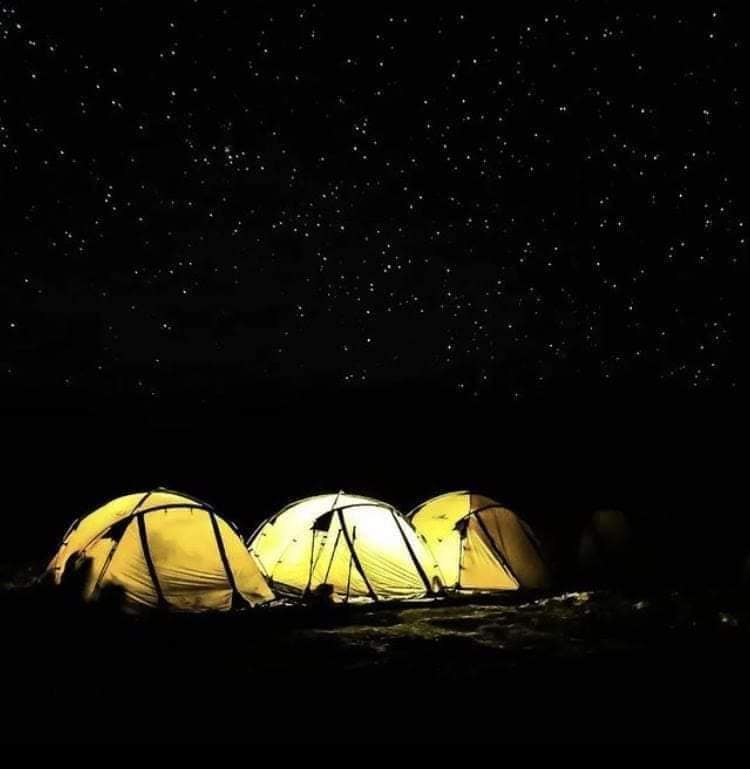
- Scenic Camping Nights: Camp in open meadows with clear skies and mountain surroundings.
- Complete Himalayan Trek Experience: Perfect mix of nature, culture, history, and adventure.