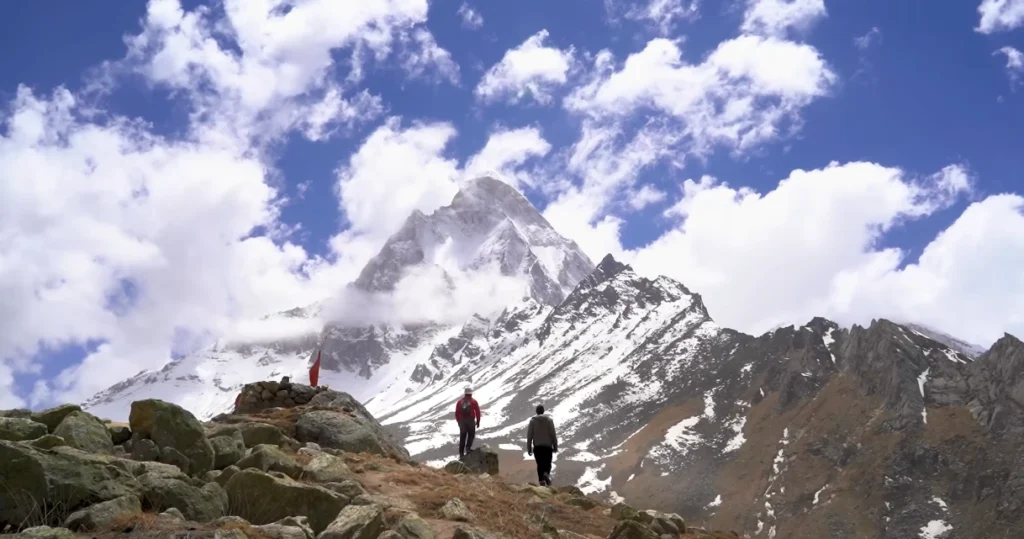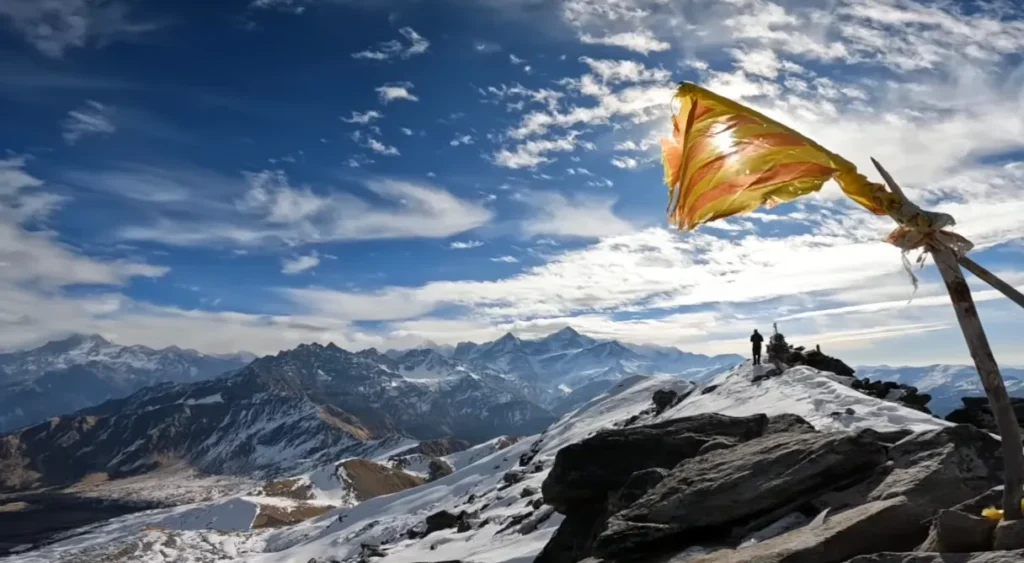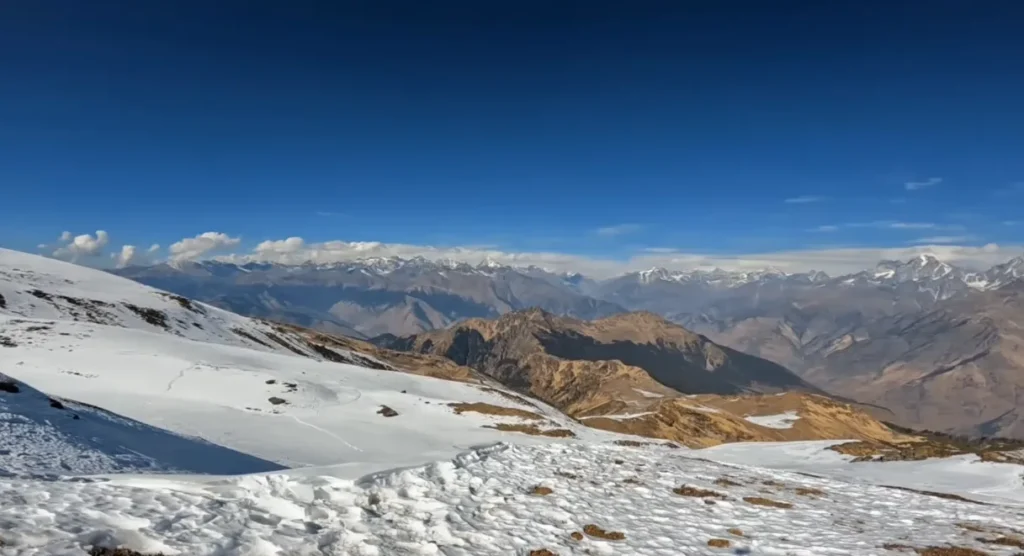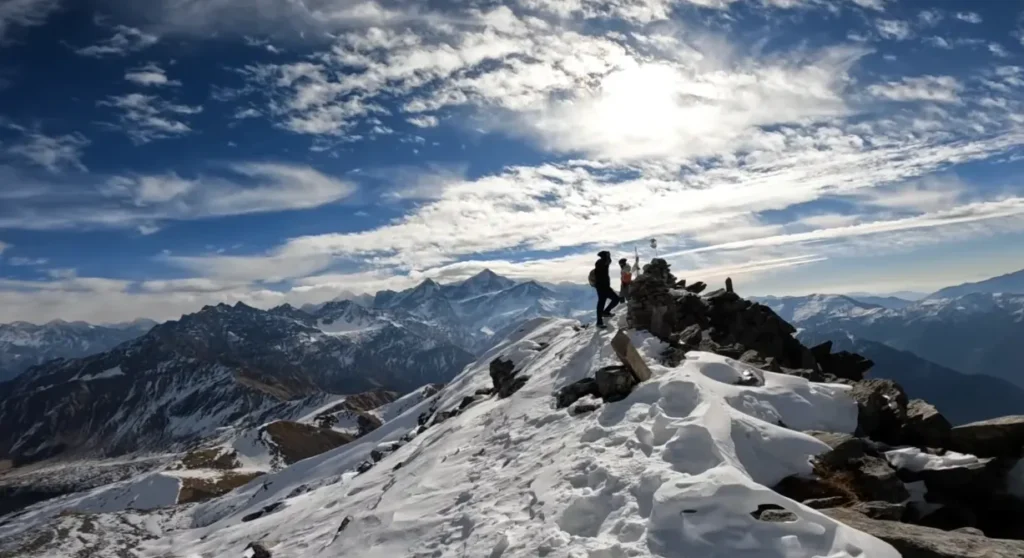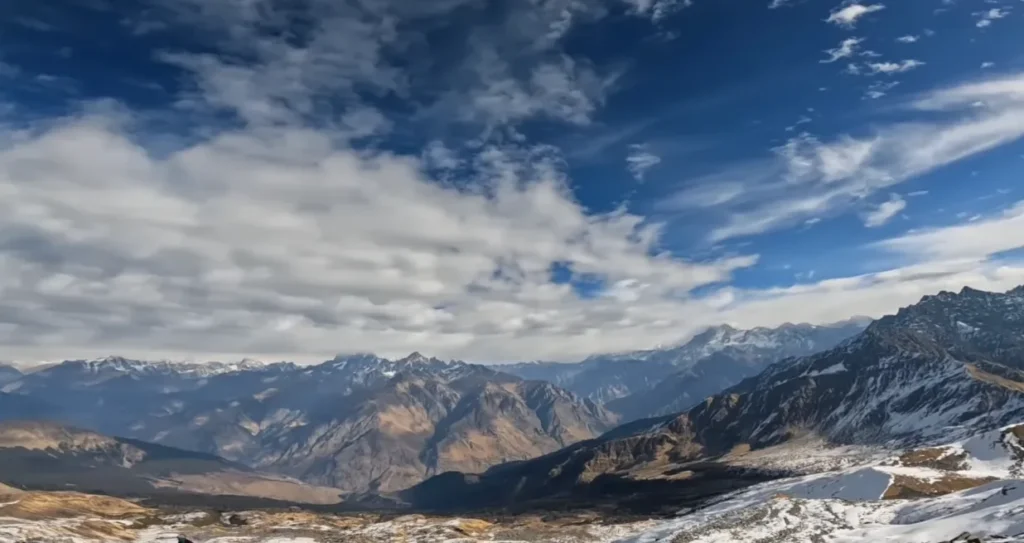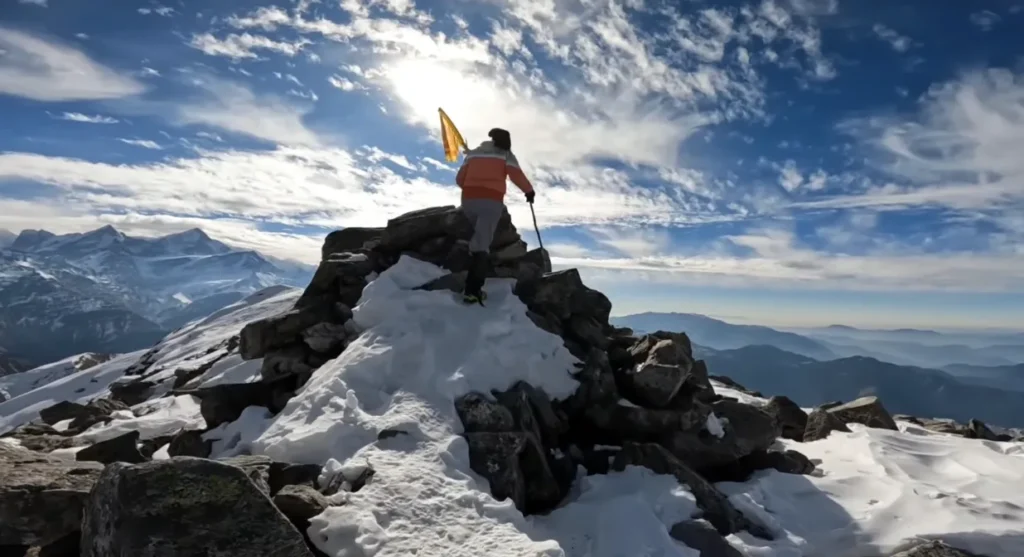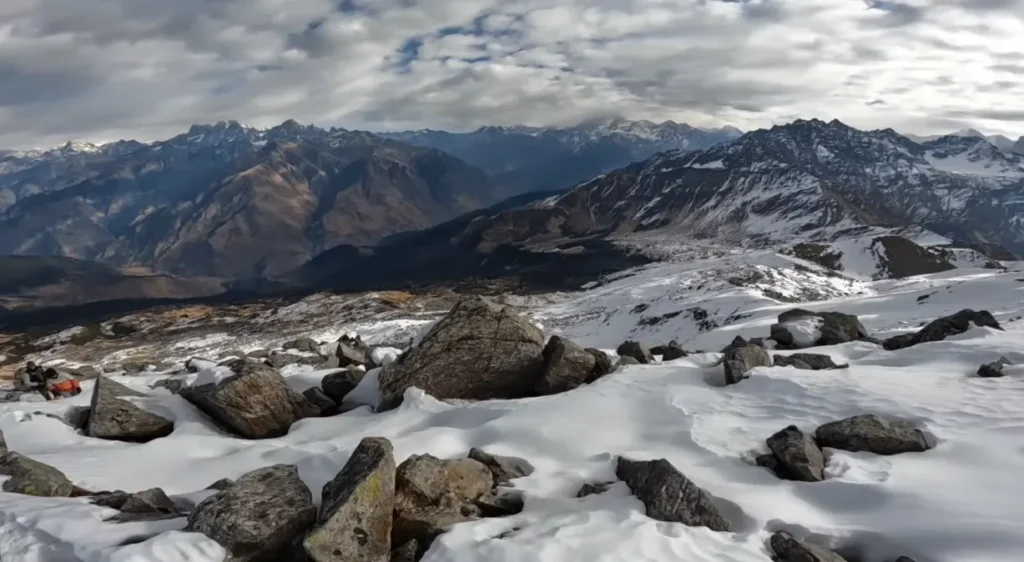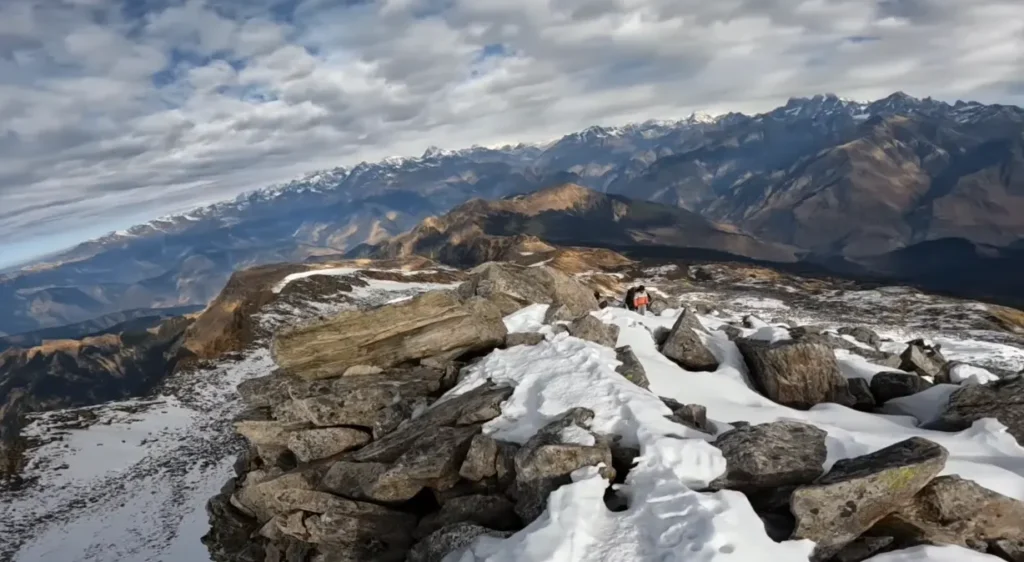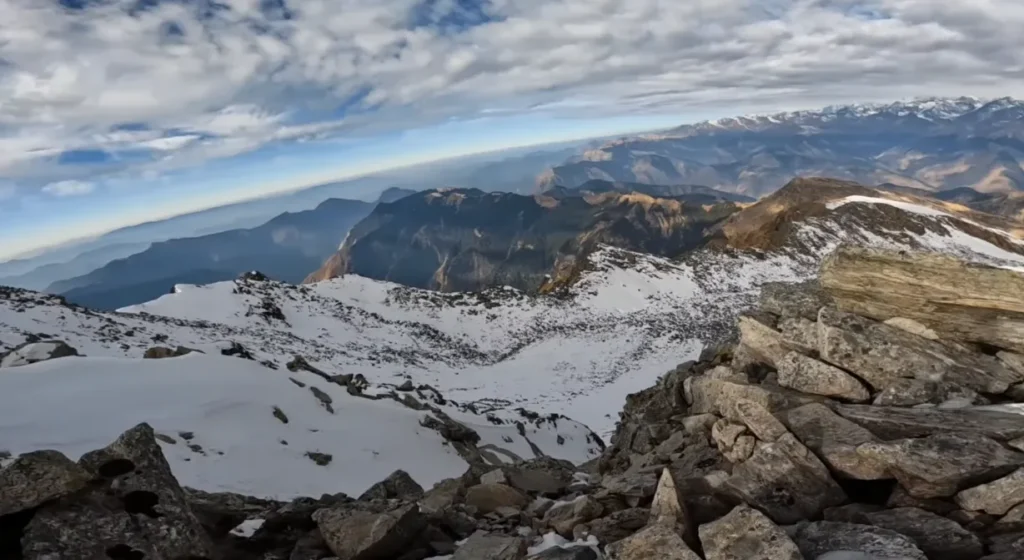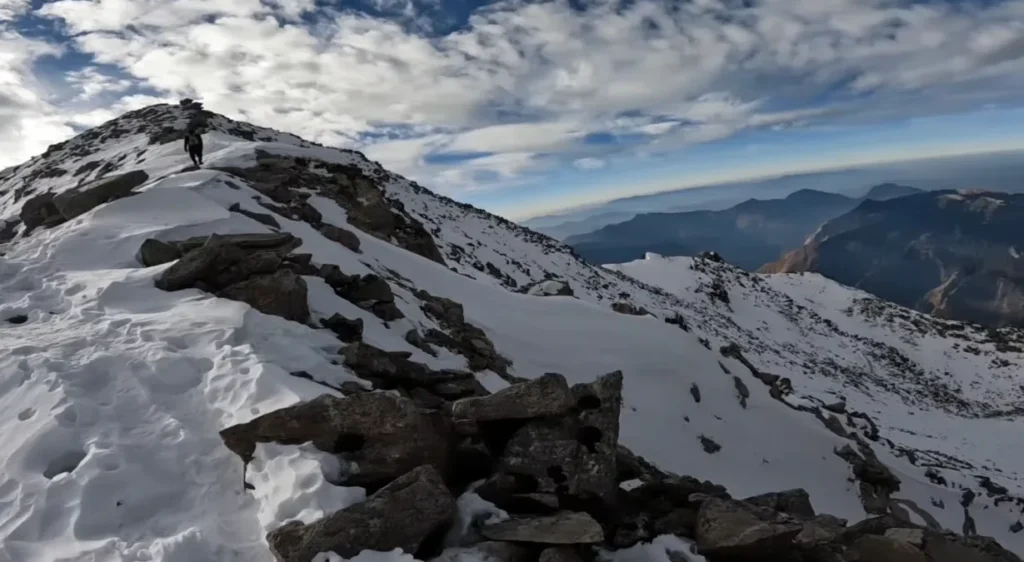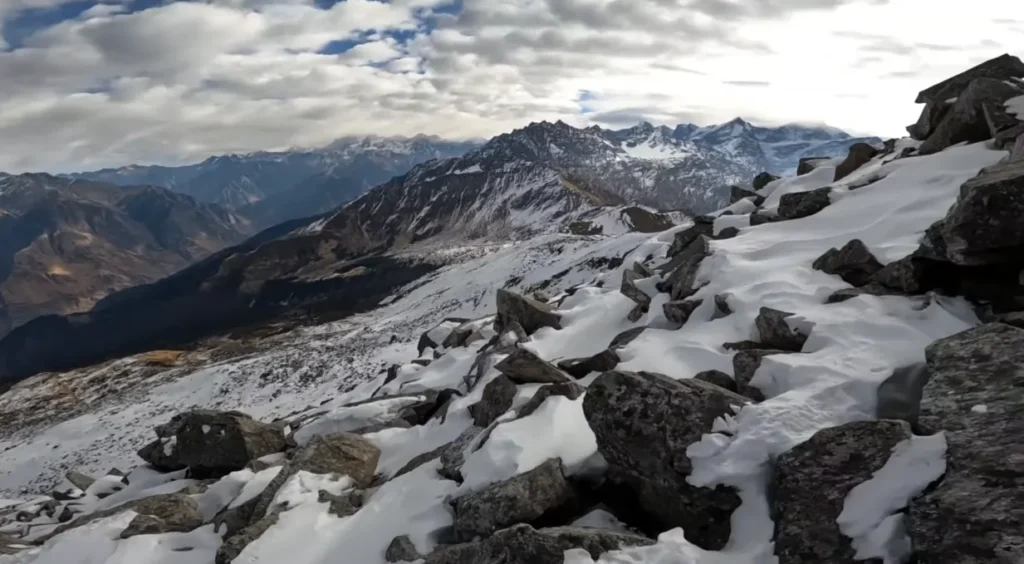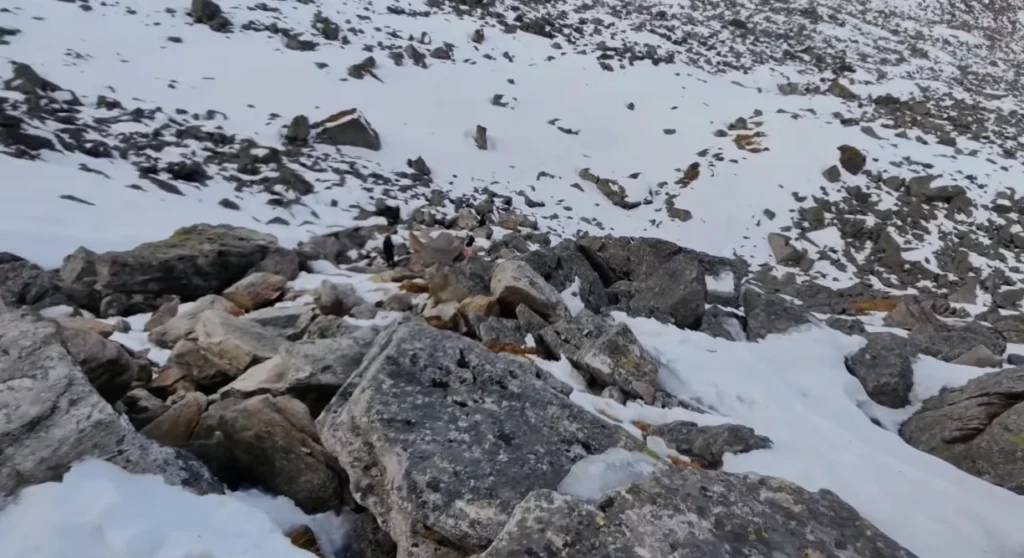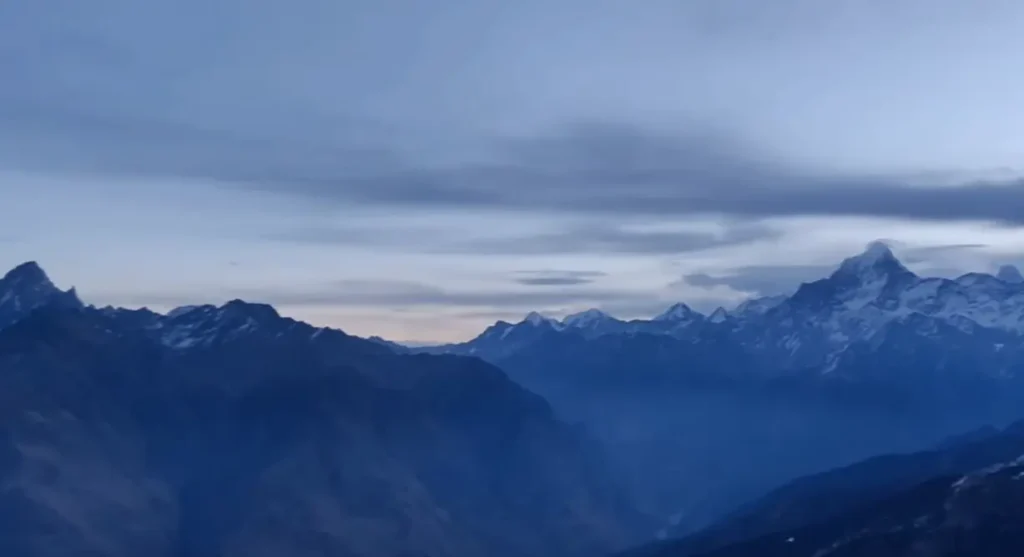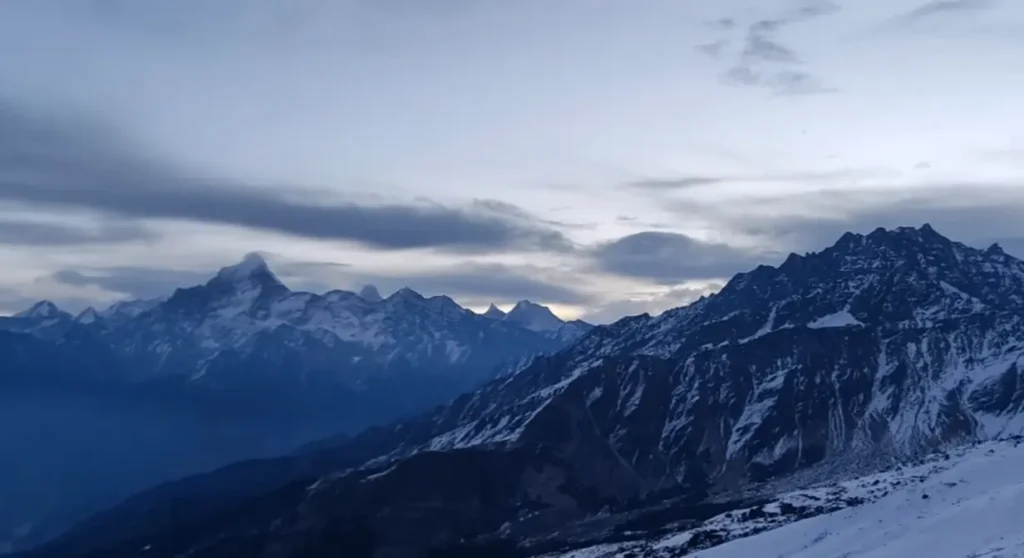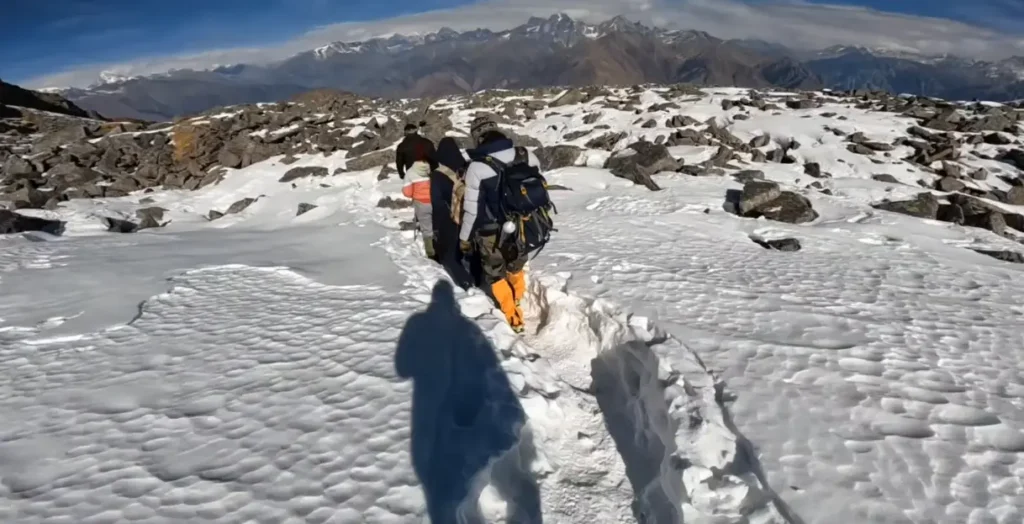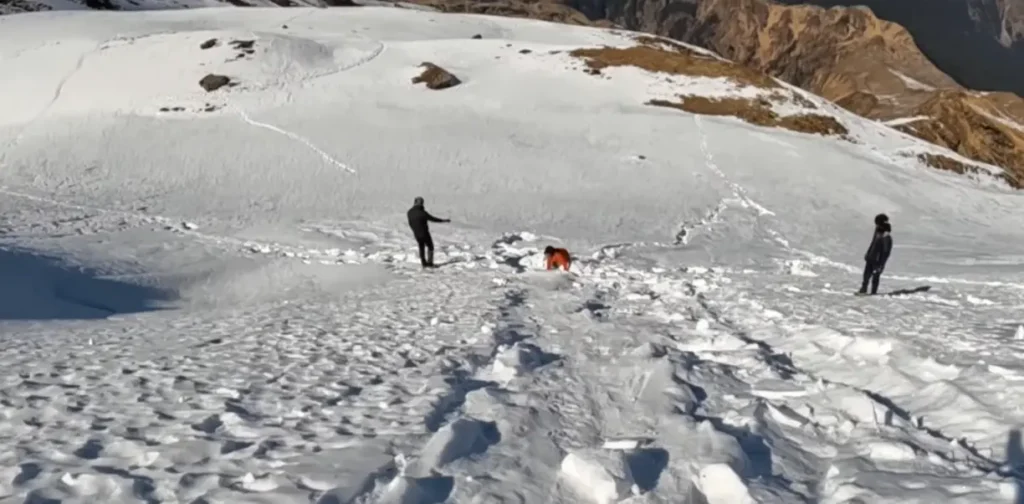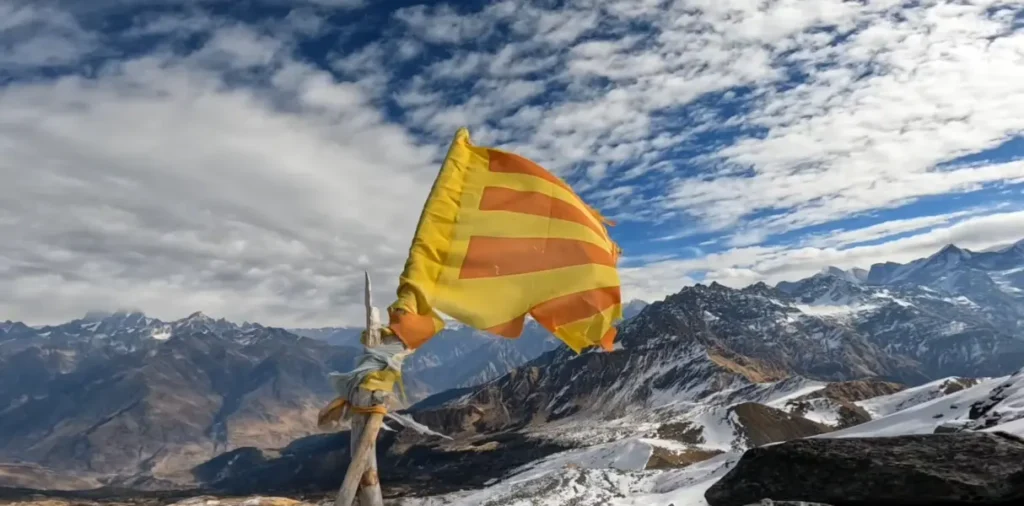
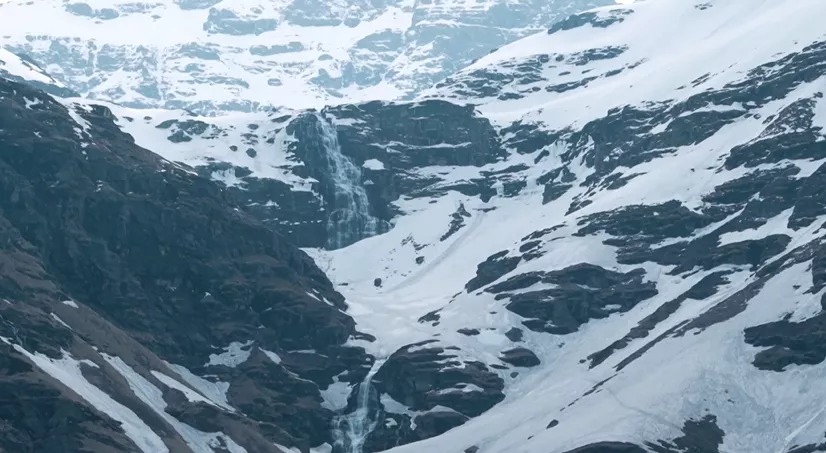
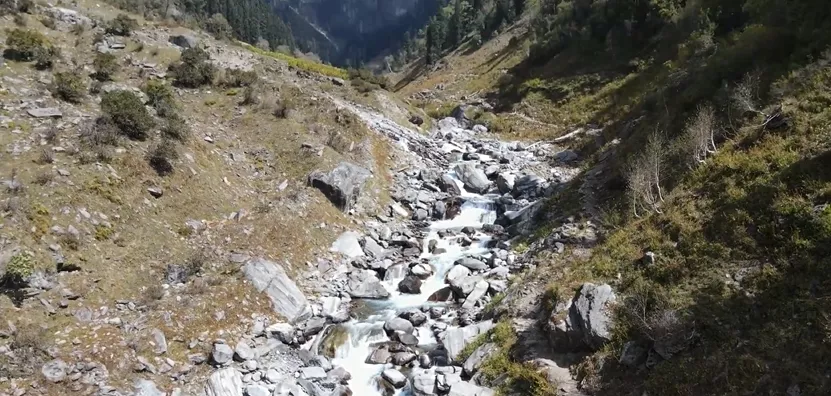
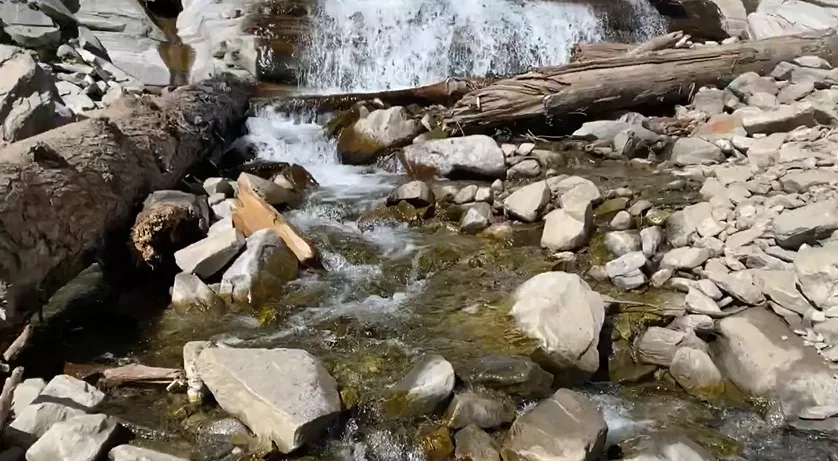
The Rupin Pass Trek is one of the most beautiful and exciting Himalayan treks that takes you from Uttarakhand to Himachal Pradesh. This trek is famous for its changing scenery, high mountains, deep forests, and the stunning Rupin Waterfall. Every day on this trail feels different, which is why many trekkers call Rupin Pass one of the best high-altitude treks in India.
Important Details
- Trek Duration: 7 days.
- Total Distance: Around 50–55 km.
- Maximum Altitude: 4,650 meters at Rupin Pass.
- Starting Point: Shimla, Himachal Pradesh.
- Ending Point: Shimla, Himachal Pradesh.
- Best Time to Visit: May–June and September–October.
- Difficulty Level: Moderate to difficult.
- Daily Trek Hours: 6–8 hours per day.
- Weather Conditions: Cold at higher camps; nights can go below 0°C.
- Network Availability: No network after Dhaula.
- Age Limit: 14 years and above.
- Required Fitness: Good stamina and regular walking ability.
- Permits and Fees: Forest permits required.
- Water Sources: Available at multiple points on the trail.
- Temperature Range: 5°C to –5°C depending on altitude.
- Trek Style: Cross-over trek from Uttarakhand to Himachal.
Cultural Significance
The Rupin Pass Trek is not just about mountains and waterfalls. It also gives you a chance to experience the deep-rooted culture of the Himalayan villages in Uttarakhand and Himachal Pradesh.
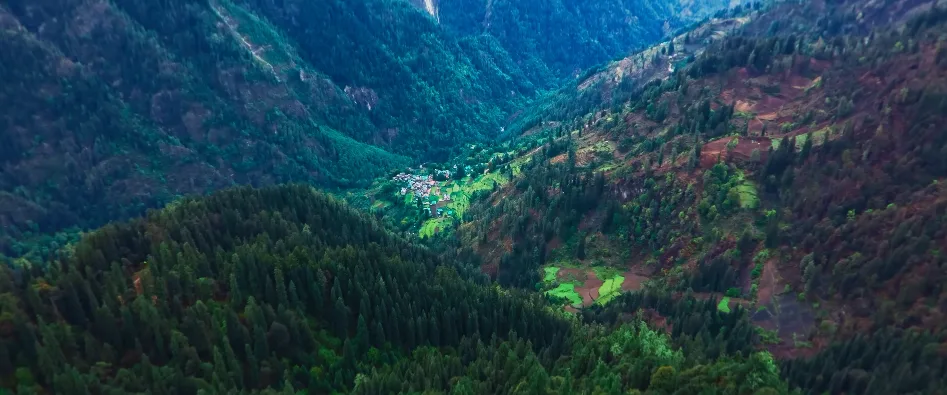
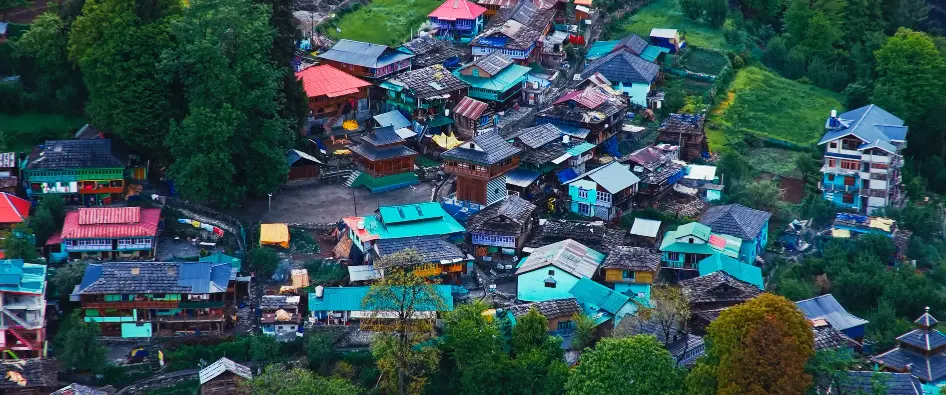
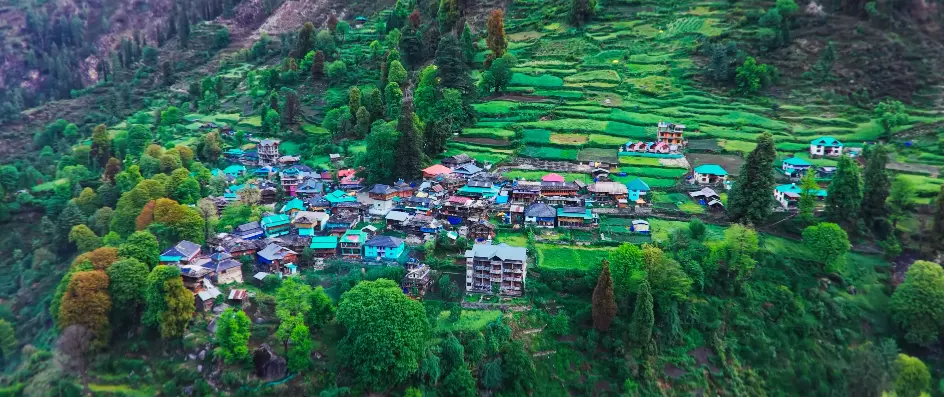
As you walk through villages like Jiskun, Jakha, and Sewa, you will see traditional wooden houses, local temples, and people dressed in regional clothes. The way they build their homes on steep mountain slopes shows their strong connection to nature and local knowledge passed down for generations.
The trek route was once an old trade path between Garhwal (Uttarakhand) and Kinnaur (Himachal Pradesh). Shepherds, traders, and villagers used this trail to travel and exchange goods, traditions, and stories.
In Jakha village, you may hear Himachali language and see Kinnauri-style clothing. On the Uttarakhand side, people speak Garhwali, and worship local deities in beautifully carved temples. This mix of cultures is what makes the trek more meaningful.
Many villagers still follow age-old customs like farming, weaving, and herding sheep. Trekkers often get a chance to drink local herbal tea or interact with children who are always curious about visitors.
The festivals, music, and lifestyle in these high-altitude villages give you a glimpse into the peaceful and simple lives of mountain people. It’s a cultural journey as much as a physical one.
Religious Significance
The Rupin Pass Trek also carries strong religious value for the local communities of Uttarakhand and Himachal Pradesh. Many parts of the trail are connected to old beliefs and traditions followed by villagers for hundreds of years.
On the Uttarakhand side, people worship local deities known as Kul Devtas. Small wooden temples and shrines can be seen along the route, especially near villages like Sewa and Jiskun. Trekkers often notice prayer flags, bells, and carved wooden designs that show the deep faith of the mountain people.
The village of Sewa is known for its ancient Kinnauri Temple, where locals believe the deity protects travellers passing through the region. This temple is special because it reflects both Garhwali and Kinnauri culture.
As you enter Himachal Pradesh, you see a strong influence of Kinnauri traditions. Many villagers believe that the mountains and rivers are sacred and should be respected. The Rupin River itself is considered holy, and locals avoid polluting it.
Shepherds walking through the high meadows often offer small prayers before crossing tough sections, believing the mountains bless and protect them on the journey.
These beliefs add a spiritual touch to the Rupin Pass Trek, making it not just an adventure, but also a peaceful cultural experience.
Flora and Fauna
The Rupin Pass Trek is known for its rich natural beauty. As you move from forests to meadows and then to snowy heights, the plants and animals around you keep changing.
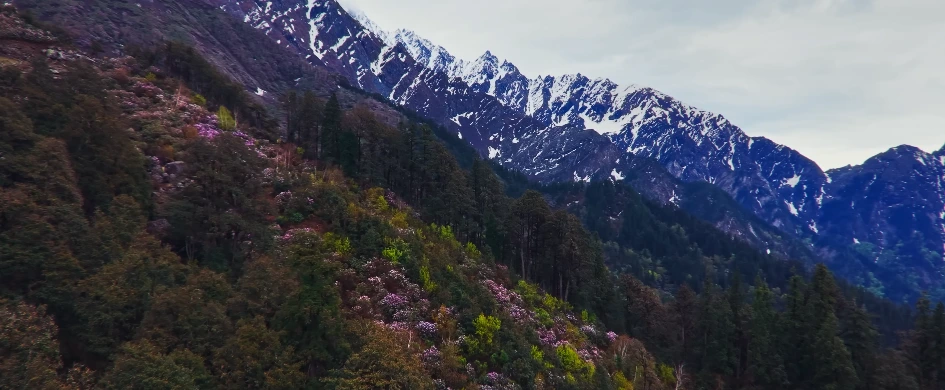
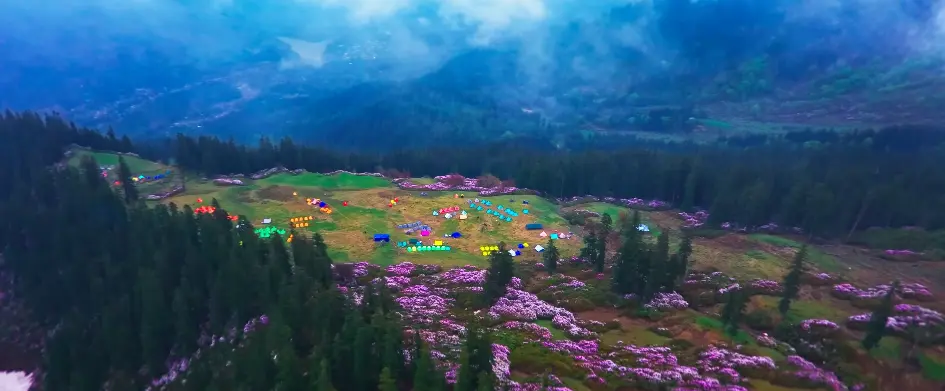
In the lower region, you walk through pine, deodar, and oak forests. These green forests stay cool and fresh, and you can hear birds singing as you trek. In spring and summer, the trail is filled with rhododendron flowers, which add bright red and pink colours to the path.
Higher up, the forest opens into wide alpine meadows covered with small wildflowers. Trekkers often spot flowers like blue poppy, daisies, and other colourful Himalayan blooms. These meadows are also grazing areas for local shepherds and their sheep.
The Rupin valley is also home to interesting wildlife. With some luck, you may spot Himalayan Monal, Bharal (blue sheep), Himalayan griffon, and Lammergeier flying high in the sky. In the quiet forest sections, you may hear or see musk deer, though they are shy and hard to spot.
As you move closer to the pass, the landscape becomes rocky and snowy, and only tough mountain plants survive. Even here, the region has signs of rare animals like the snow leopard, though sightings are extremely rare.
The mix of forests, meadows, rivers, birds, and animals makes the Rupin Pass Trek a beautiful experience for nature lovers.
Geography & Landscape
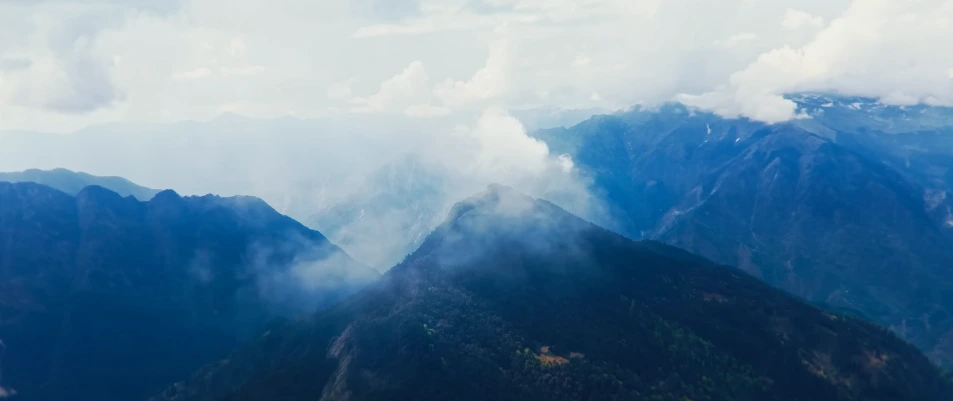
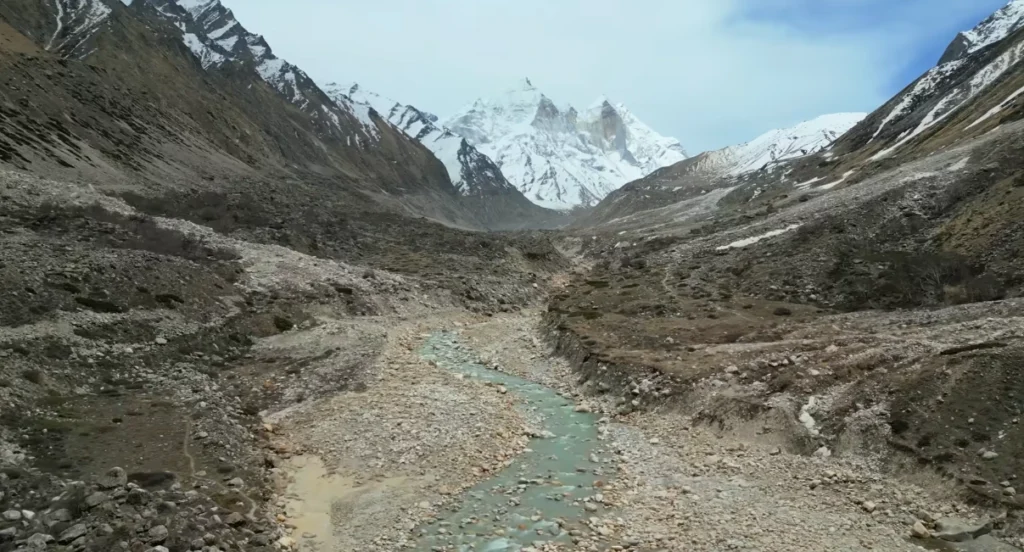
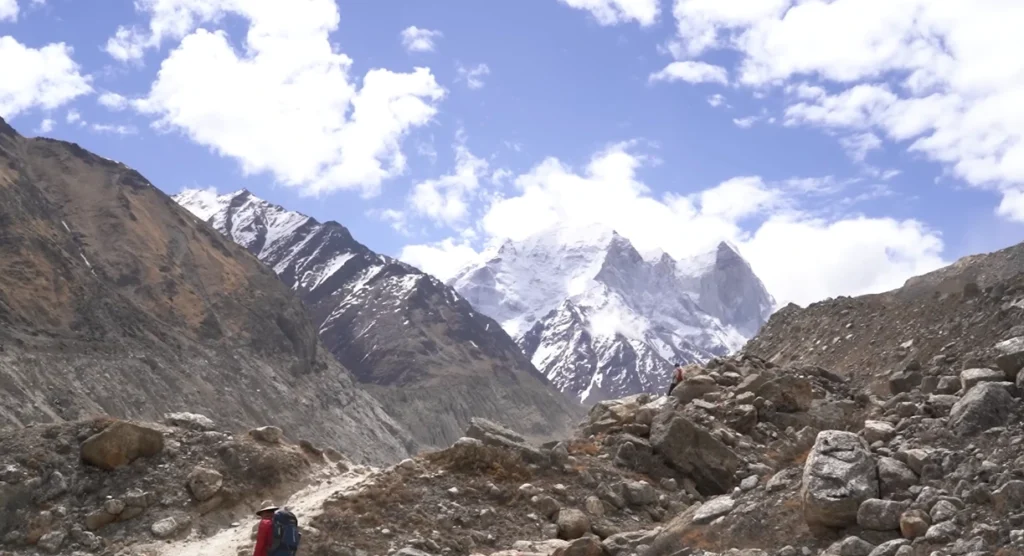
The Rupin Pass Trek is known for its fast-changing and dramatic landscape. The trek starts in the green valleys of Uttarakhand and ends in the rocky mountains of Himachal Pradesh, giving trekkers a mix of different terrains in one journey.
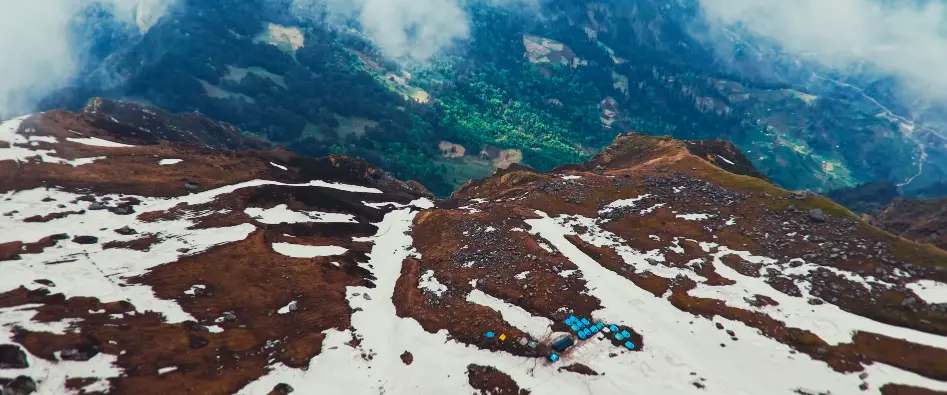
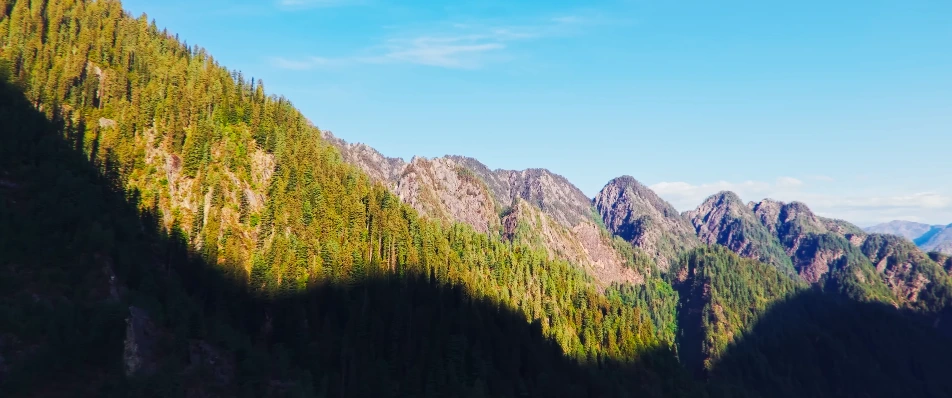
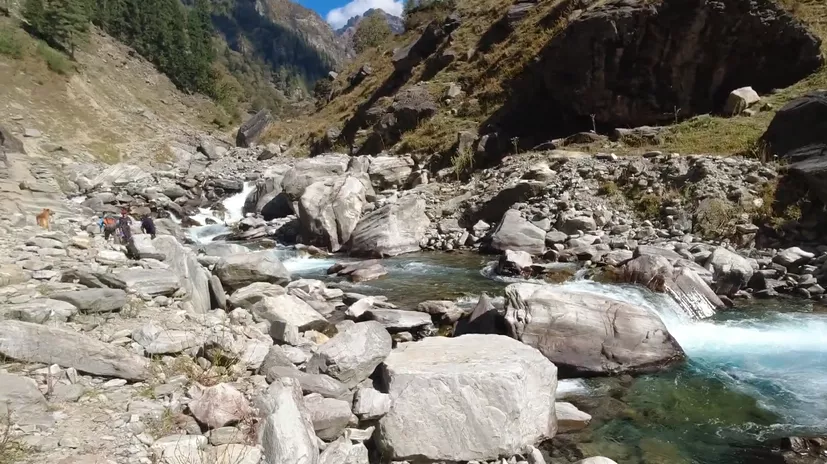
In the lower part of the trek, you walk through dense pine, oak, and deodar forests. These forests are cool, peaceful, and filled with the sound of the Rupin River flowing nearby. The trail slowly climbs through wooden bridges, small villages, and narrow mountain paths.
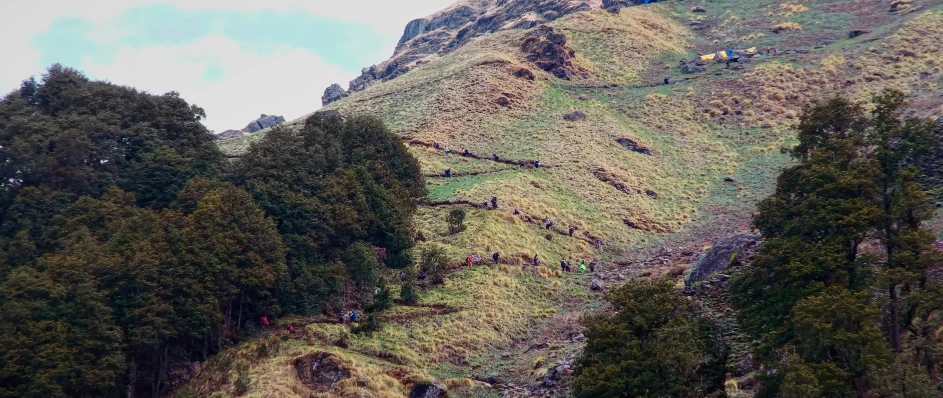
As you move higher, the landscape opens into wide alpine meadows. These meadows are filled with wildflowers in summer and turn golden during autumn. Shepherd huts, grazing sheep, and long stretches of grassland make this part of the trek very scenic.
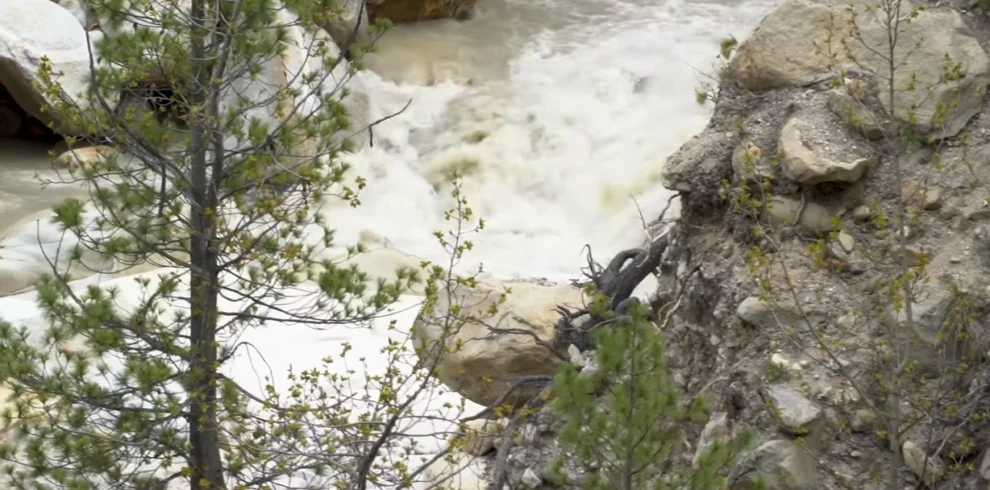
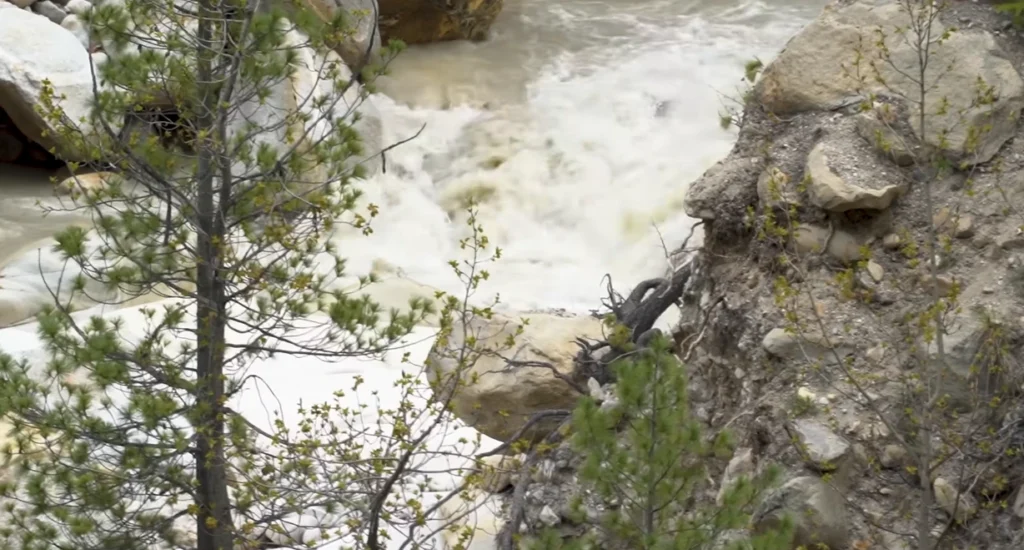
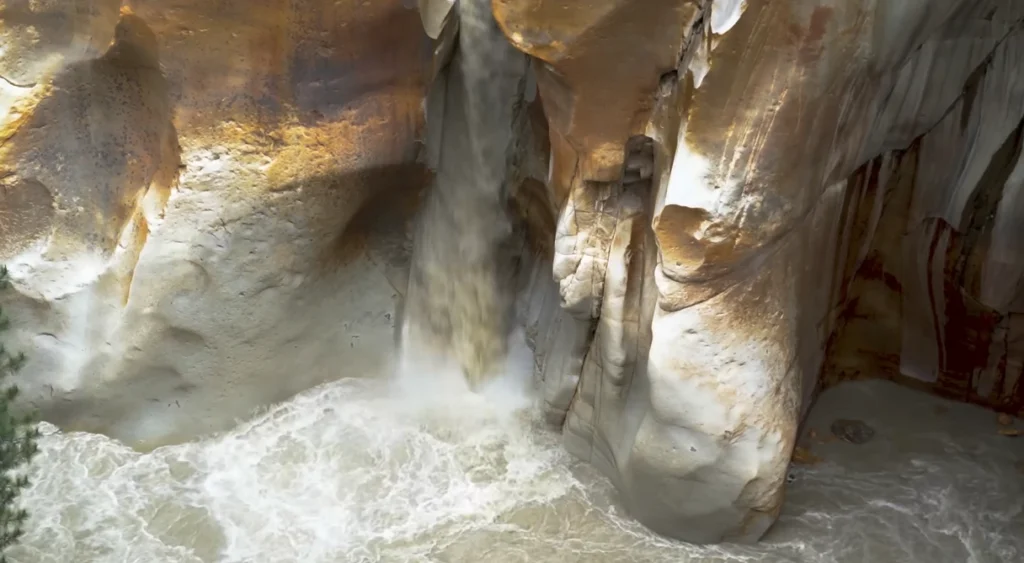
The valley becomes more dramatic as you reach the famous Rupin Waterfall area. Huge cliffs rise on both sides, and multiple layers of waterfalls fall into the valley, creating a grand view. The climb from the lower waterfall to the upper waterfall is one of the most thrilling sections of the trek.
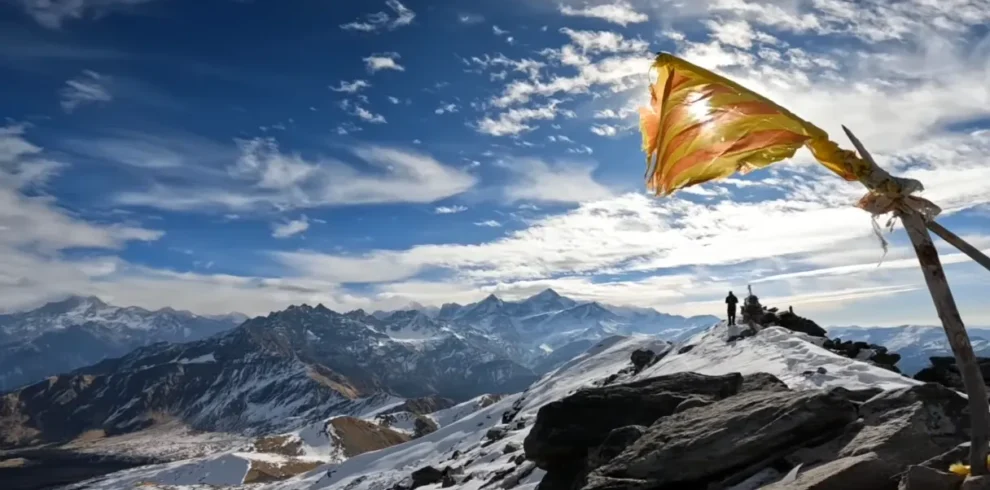
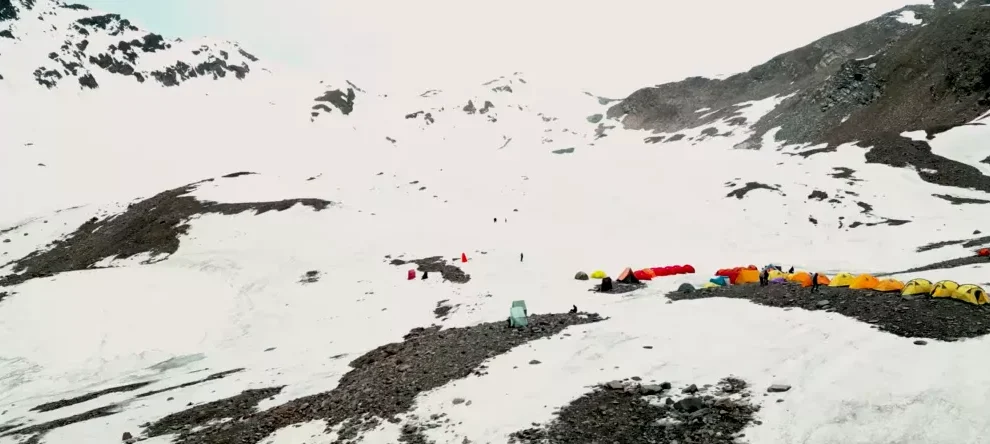
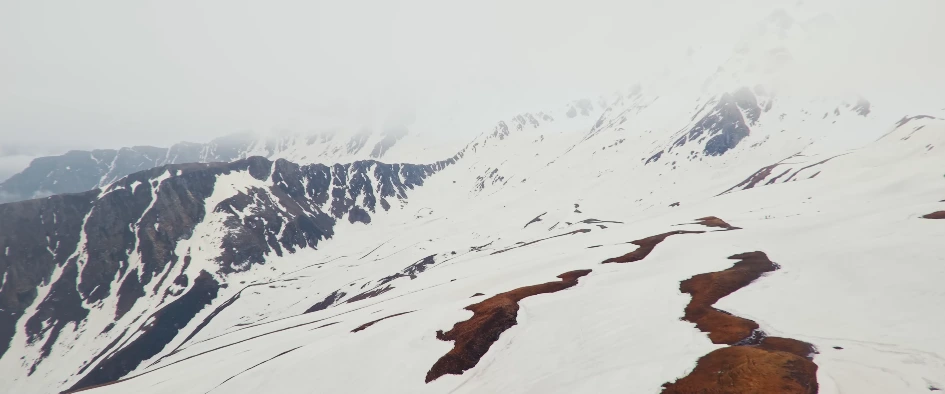
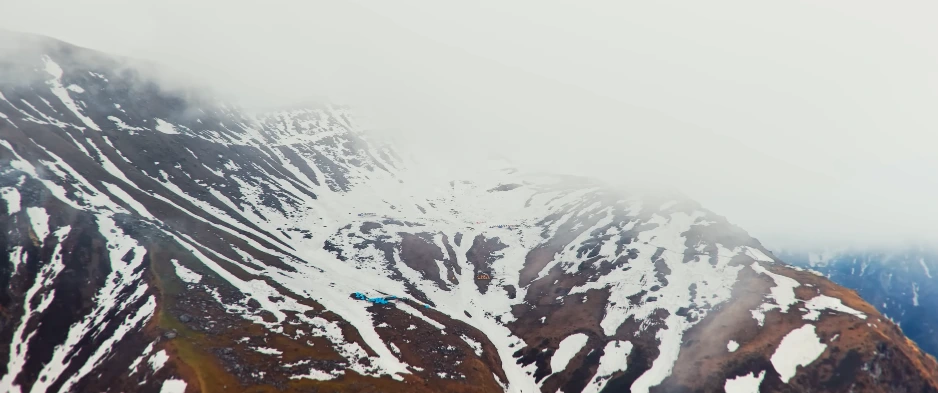
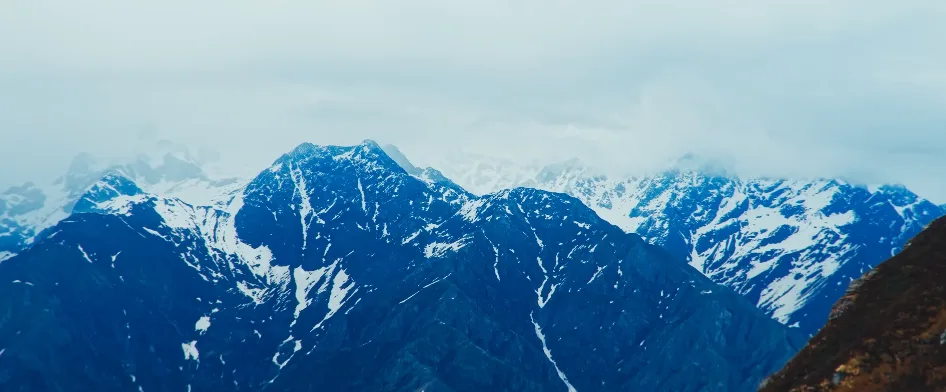
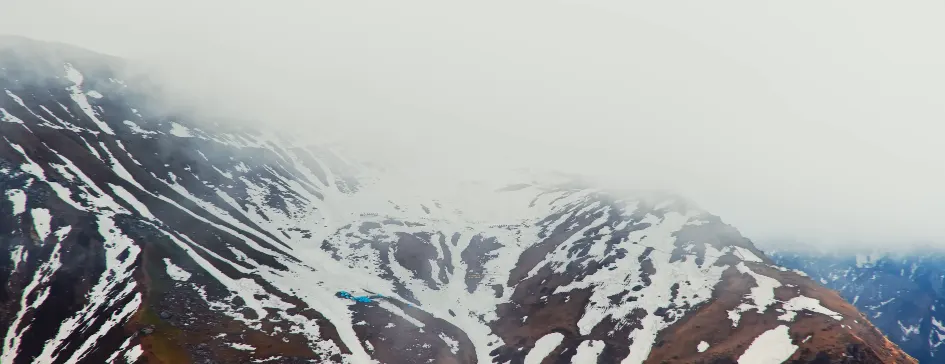
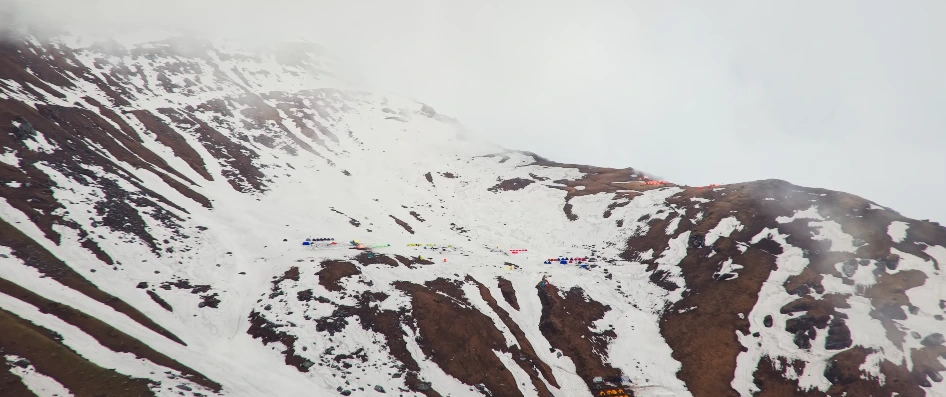
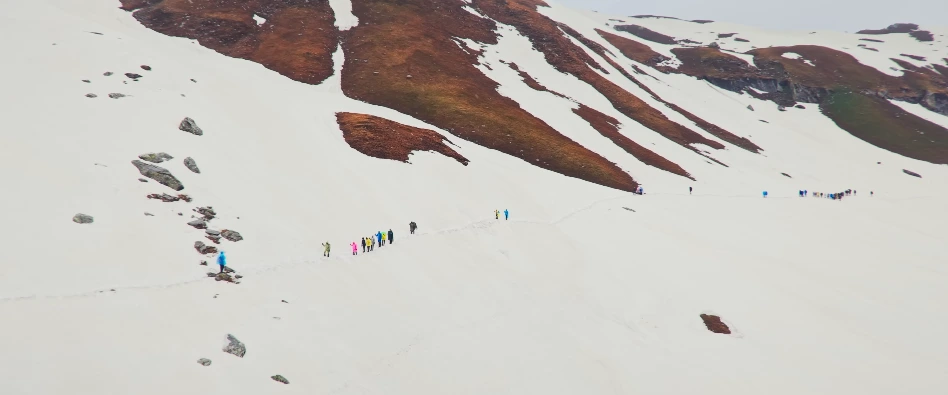
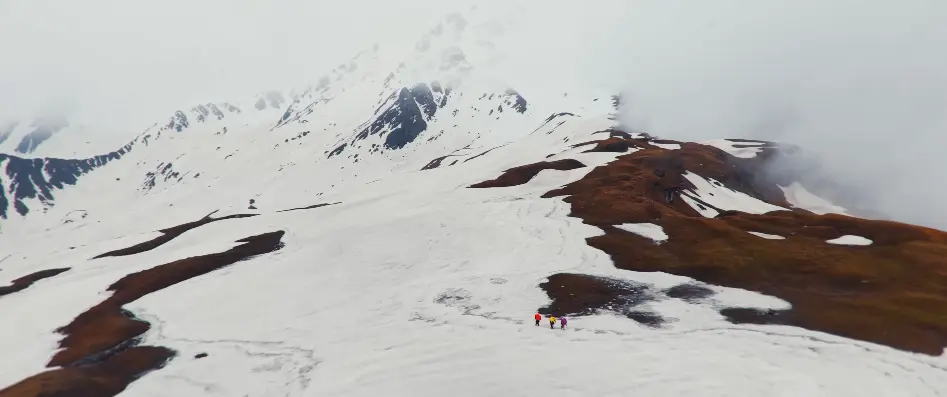
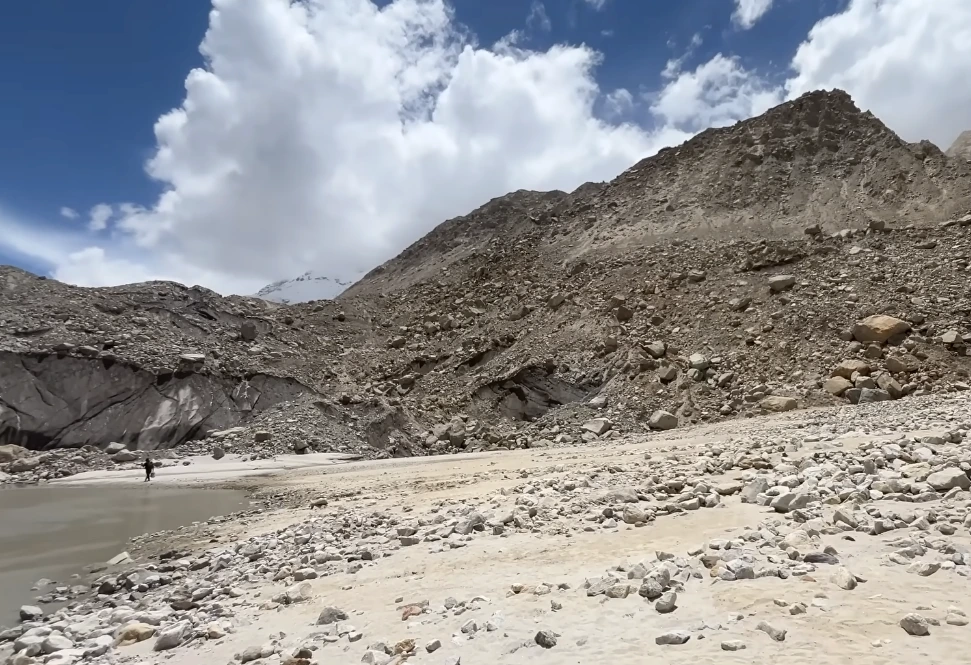
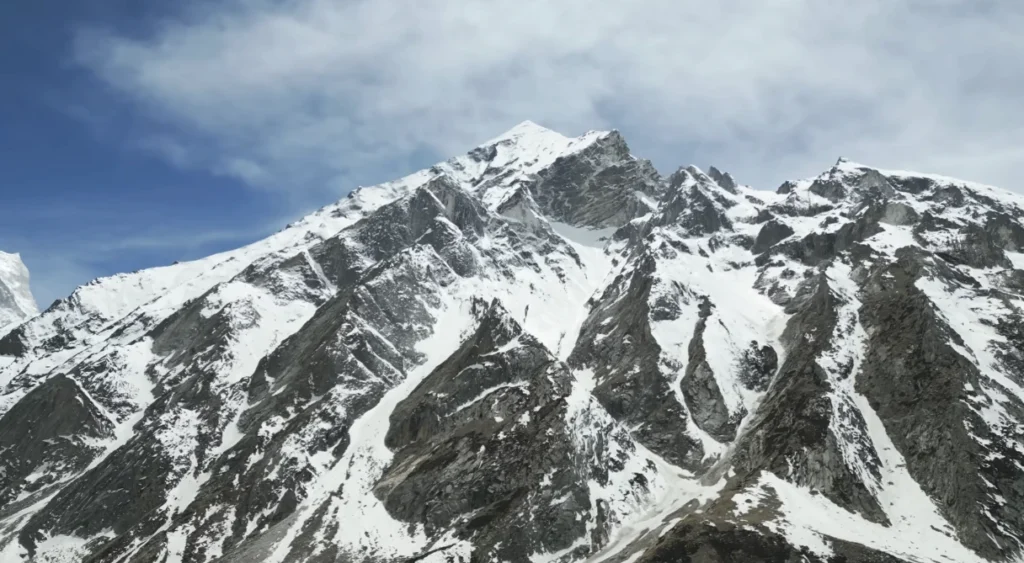
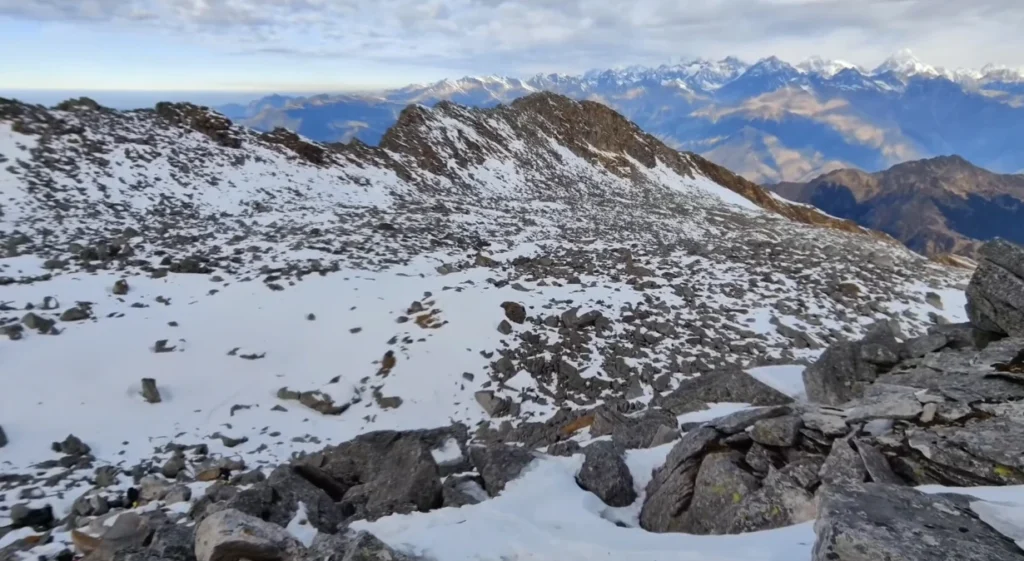
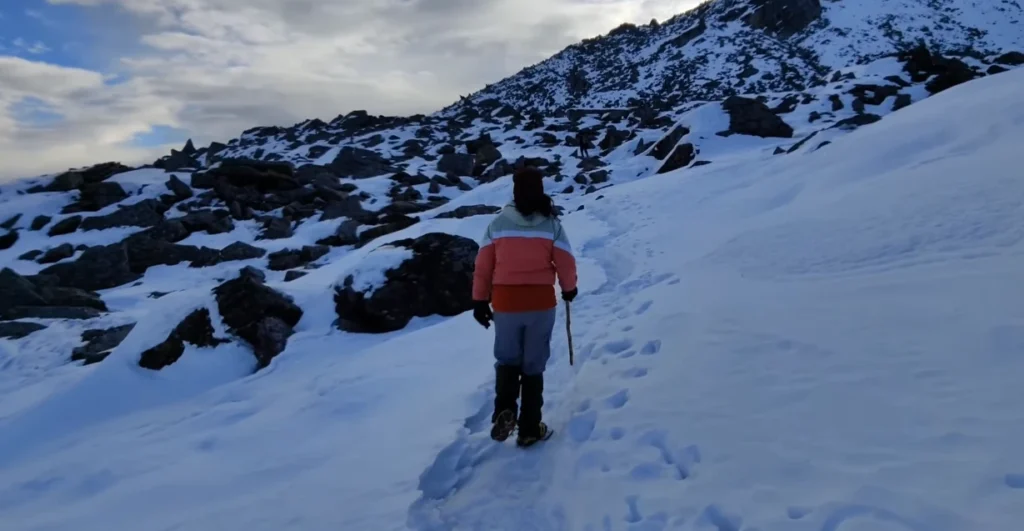
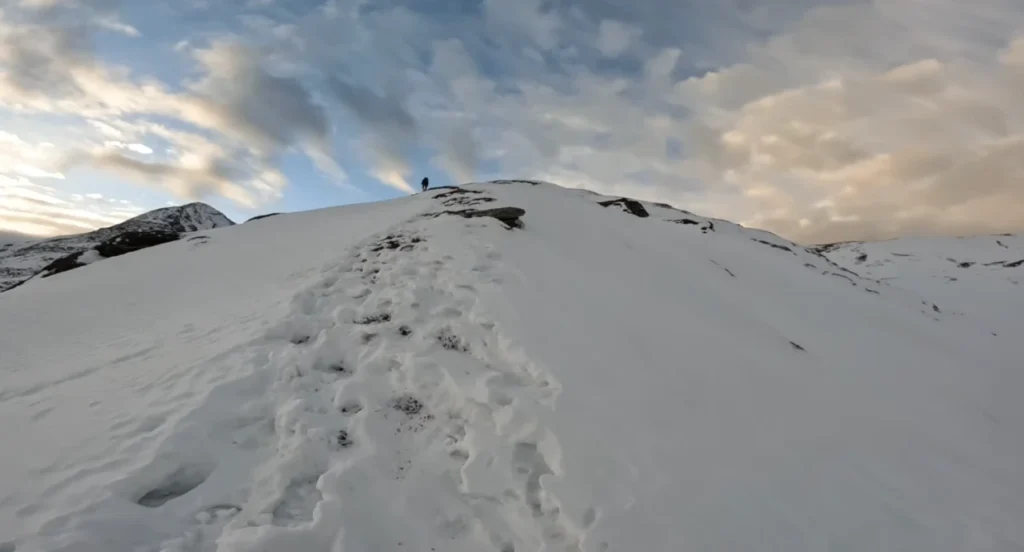
Near the top, the terrain changes again. You walk on snow patches, rocky ridges, and narrow gully sections as you approach the 4,650-meter pass. The higher you go, the more rugged and cold the landscape becomes.
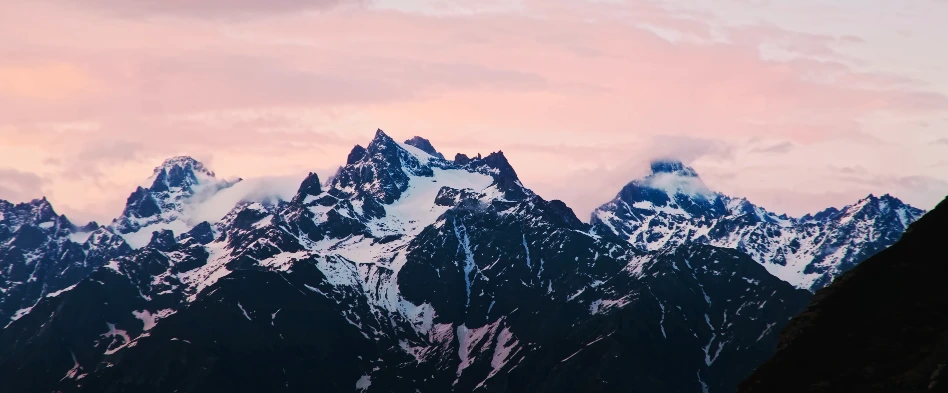
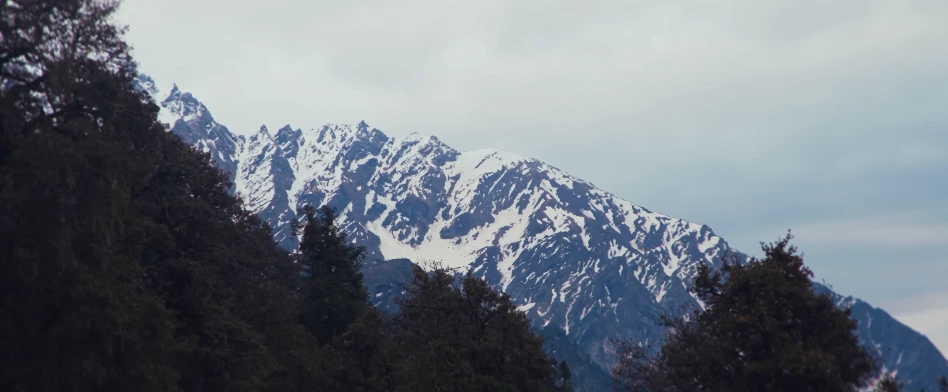
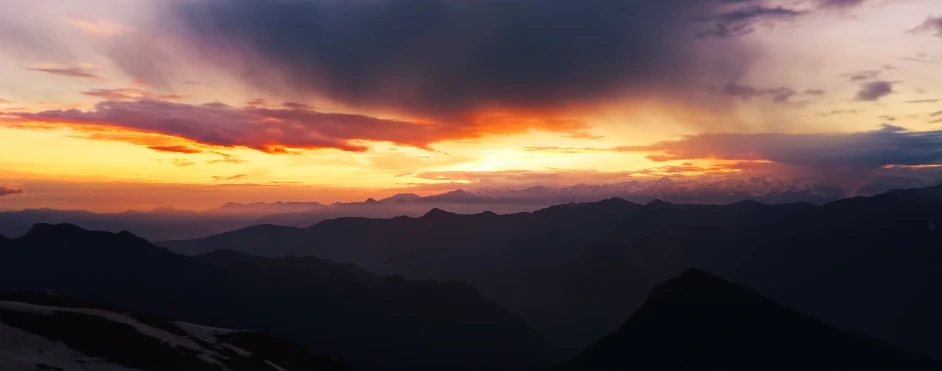
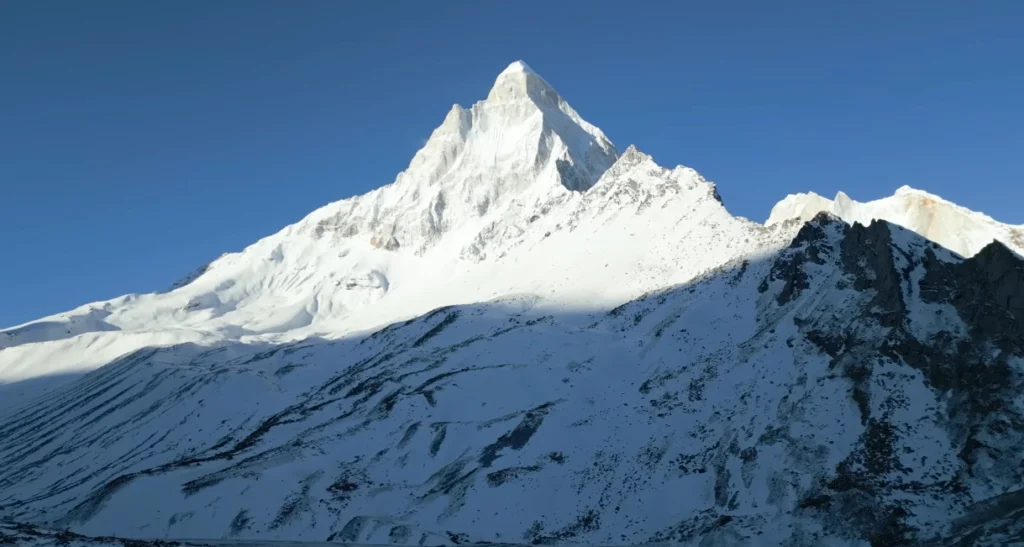
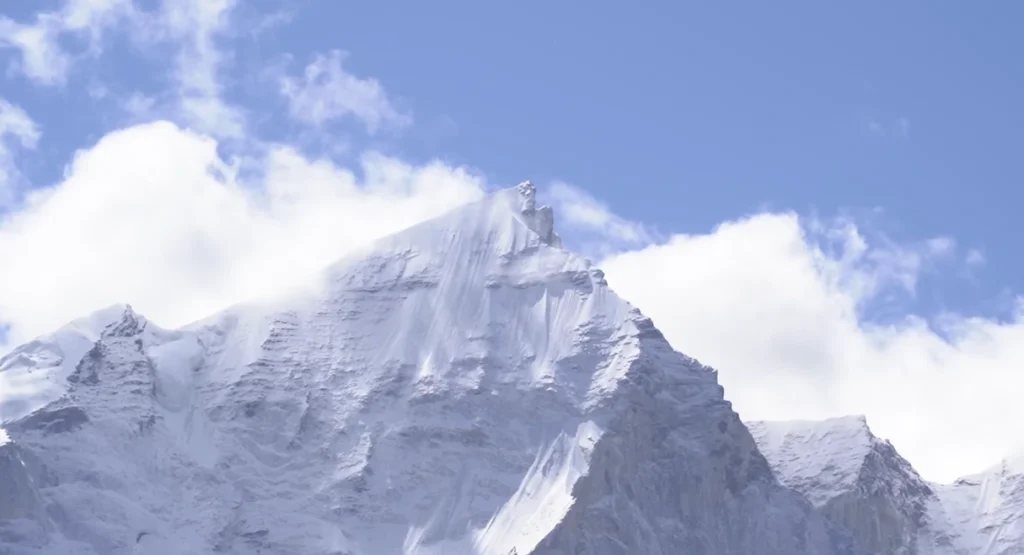
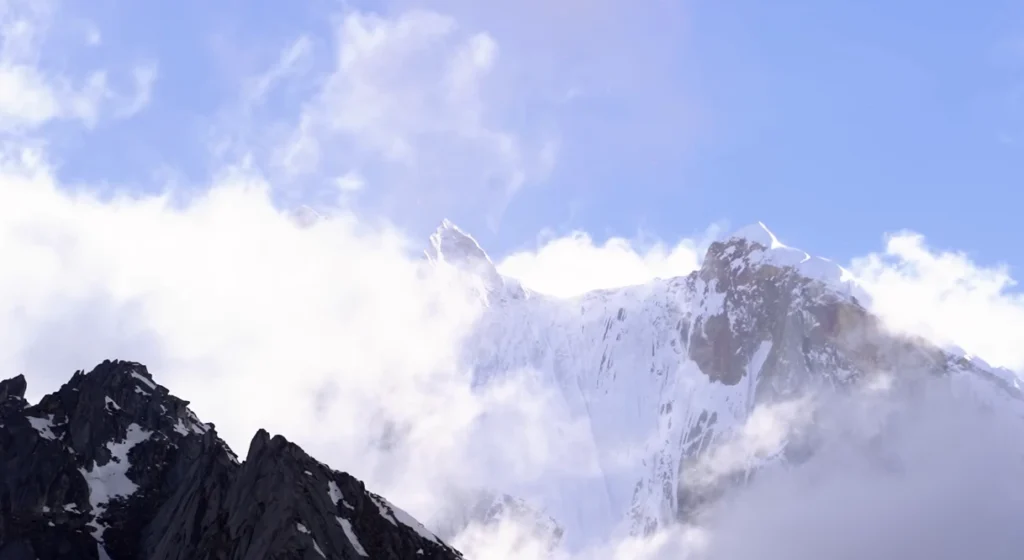
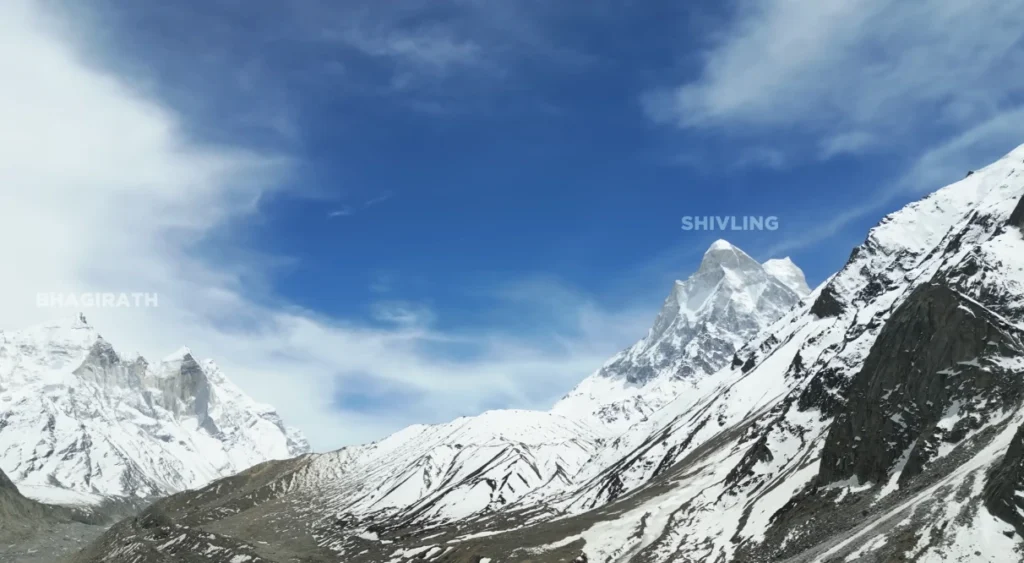
From the top of Rupin Pass, the scenery opens into the wide mountains of Kinnaur in Himachal Pradesh. Sharp peaks, deep valleys, and endless ridgelines make the view unforgettable.
The mix of forests, meadows, cliffs, waterfalls, snowfields, and high-altitude ridges makes the Rupin Pass Trek one of the most beautiful and diverse treks in the Himalayas.
Best Time to Visit
The best time to visit Rupin Pass is during May–June and September–October. These months offer the safest weather, clear trails, and the most beautiful views.
May to June is ideal if you want to experience snow patches, strong waterfalls, and fresh green valleys. The trail comes alive after winter, and the waterfalls near the Rupin Valley are at their brightest. Days are cool, and nights are cold but manageable.
September to October is the best time for clear mountain views. The monsoon ends, the sky becomes crystal clear, and the meadows turn golden. There is very little snow, which makes the trek smoother and safer. This is the perfect season for photography and long views of the Himalayan peaks.
Winter and monsoon months are not suitable. Heavy snow blocks the pass in winter, and monsoon rains make the trail slippery and unsafe.
Both recommended seasons offer a different experience, but one thing stays the same — the Rupin Pass Trek remains beautiful and enjoyable with calm weather and stunning scenery.
Weather & Temperature Guide
Weather on the Rupin Pass Trek changes quickly because the trail moves from low forests to high snowfields at 4,650 meters. Understanding the temperature patterns helps trekkers prepare better and stay comfortable throughout the journey.
During May and June, the trek experiences cool mornings and pleasant afternoons. Temperatures range from 8°C to 18°C during the day, while nights can drop to 0°C to 5°C. This is the season when you will find snow patches at higher camps and a snowy climb near the pass. The waterfalls are strong, and meadows look fresh after winter. Light showers may occur, so rain gear is important.
In September and October, the weather becomes clearer and colder. Days stay between 8°C and 15°C, but nights can fall to –2°C to 3°C, especially around Upper Waterfall Camp and Ronti Gad. This is the best time for long-distance views, as the sky remains clear and the trail stays dry. There is usually less snow, making the walk easier but the nights colder.
The trek is closed in winter, from November to April, because heavy snowfall blocks the trail and makes the pass unsafe. Temperatures during these months can drop below –10°C, and the entire route becomes inaccessible.
The monsoon season, from July to August, is also not suitable for trekking. The region gets heavy rainfall, which makes the trail slippery and increases the risk of landslides and strong river flow.
Because of frequent weather changes, trekkers should always carry proper layering, gloves, a warm cap, and waterproof clothing. Even in summer, mornings and evenings can be cold in the high camps. Being prepared ensures comfort and safety throughout the trek.
Overview
The journey starts from Dhaula in Uttarakhand and ends in Sangla in Himachal. The trail passes through dense pine forests, hanging villages, green meadows, and long snow patches. The biggest highlight of the trek is the steep climb near the Upper Waterfall, followed by the thrilling walk to the Rupin Pass at around 4,650 meters. The views from the top are unforgettable, with tall peaks and wide valleys stretching as far as you can see.
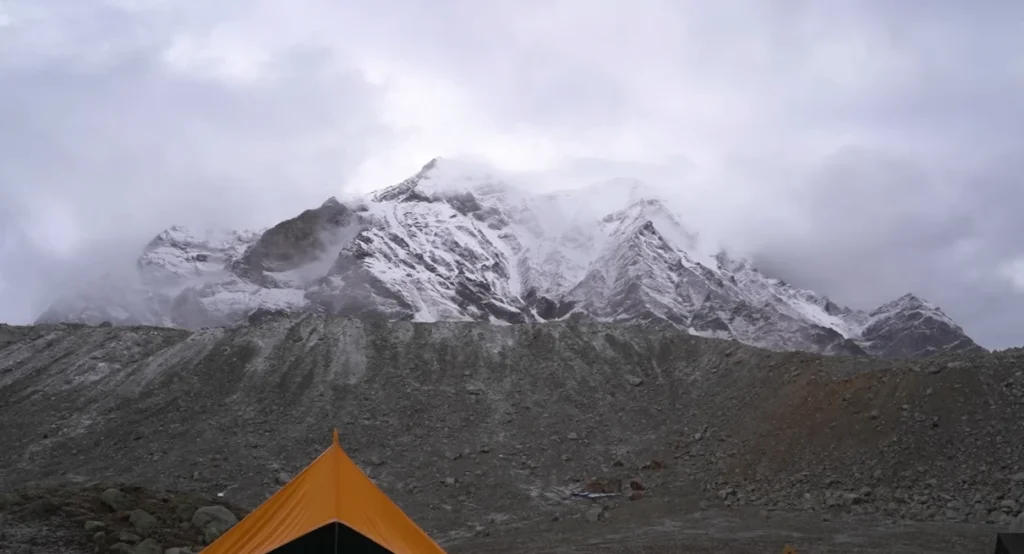
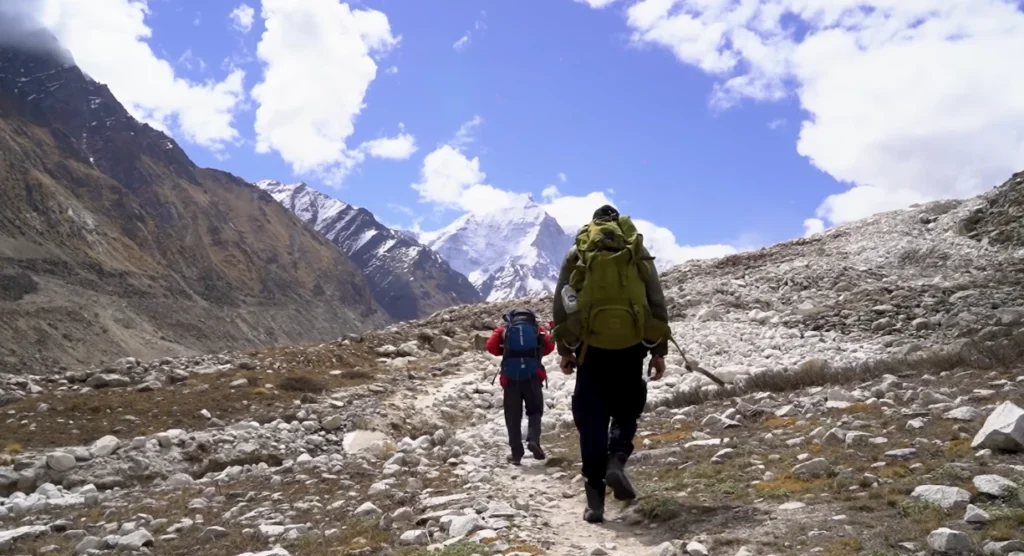
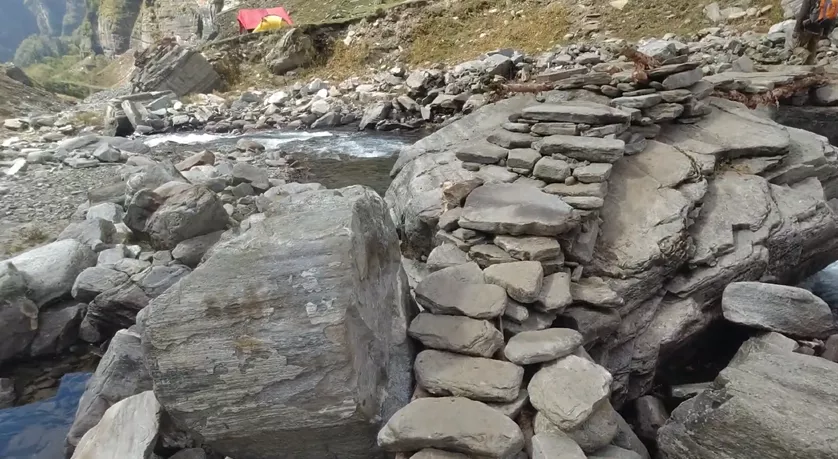
This trek is perfect for trekkers who want a mix of adventure and natural beauty. You walk along the Rupin River, cross wooden bridges, see shepherd huts, and enjoy peaceful campsites surrounded by mountains. The weather changes quickly in the high altitude, which makes the trek even more thrilling.
The best time to do the Rupin Pass Trek is from May to June and September to October. During these months, the trail is clear, the waterfalls are strong, and the mountains look fresh and bright. Trekkers get to enjoy snow in the early season and crystal-clear views in the autumn season.If you are looking for a challenging but rewarding Himalayan trek, Rupin Pass is a great choice. With safe guidance, proper fitness, and the right support, anyone with a love for the mountains can complete this trek. The Trek 360 makes sure every trekker is safe, comfortable, and excited throughout the journey, so you can enjoy the mountains without worry.
Highlights
- A Beautiful Cross-Over Trek : This trek starts in Uttarakhand and ends in Himachal Pradesh, giving you two different landscapes and cultures in one journey.
- The Famous Rupin Waterfall : The huge multi-layered waterfall is the main attraction of the trek, and the climb near it is thrilling and unforgettable.
- Hanging Villages on the Cliffs : Villages like Jiskun and Jakha are built on steep slopes, offering a close look at real Himalayan life and traditions.
- Meadows and Snow Fields : The trail takes you through wide green meadows, wildflowers, and long stretches of snow that make the trek scenic and exciting.
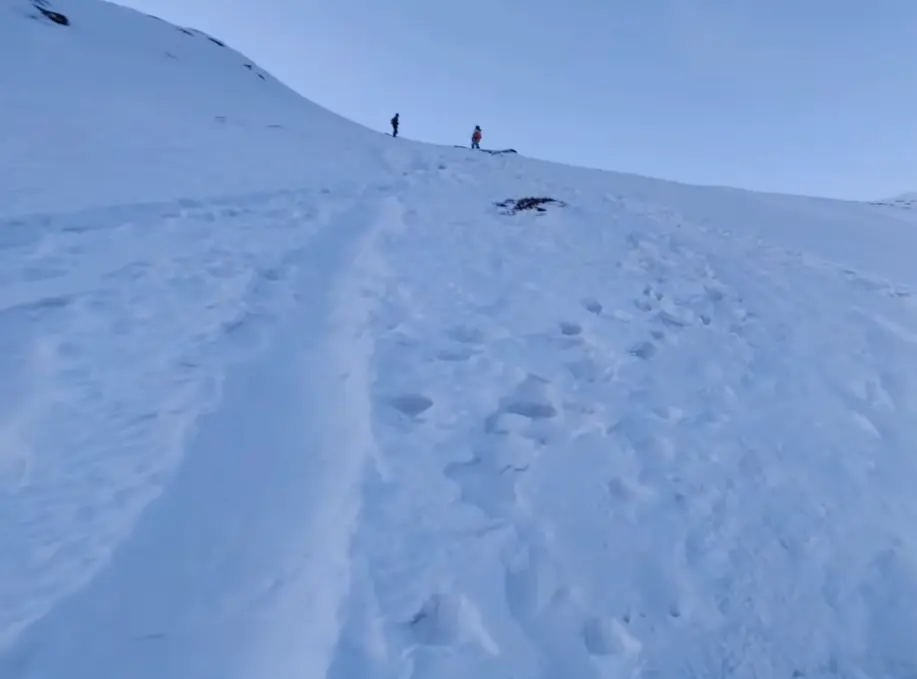
- Exciting Snow Gully Climb : The final climb to Rupin Pass goes through a steep snow gully, adding adventure and challenge to the summit day.
- Grand Mountain Views : From the top of Rupin Pass, you get stunning views of the high peaks of Kinnaur and Garhwal.
- Forest Trails Full of Life : The lower part of the trail passes through pine, oak, and deodar forests with the sound of the Rupin River flowing beside you.
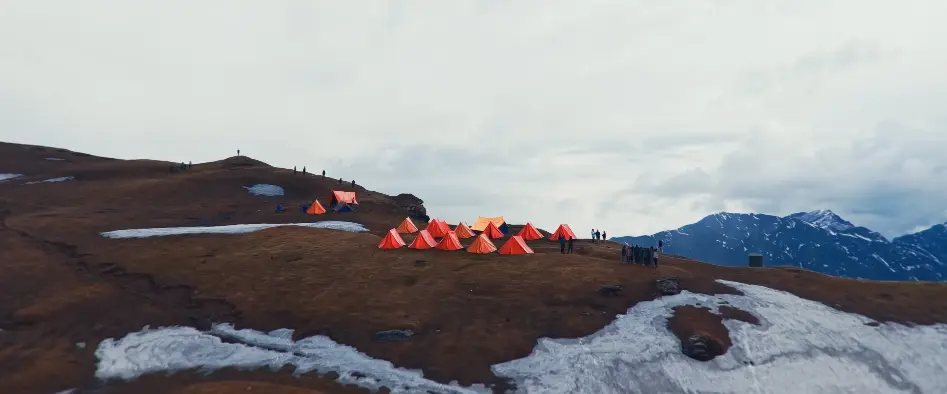
- Peaceful Campsites : Each campsite — from lush meadows to high-altitude grounds — gives a calm and refreshing mountain experience.
- Perfect for Adventure Lovers : This trek offers a mix of adventure, beauty, and challenging sections, making it ideal for trekkers who want something exciting.
- Best Trekking Months : May–June and September–October are the best months for the Rupin Pass Trek, with clear views and perfect weather for trekking.