Important Details
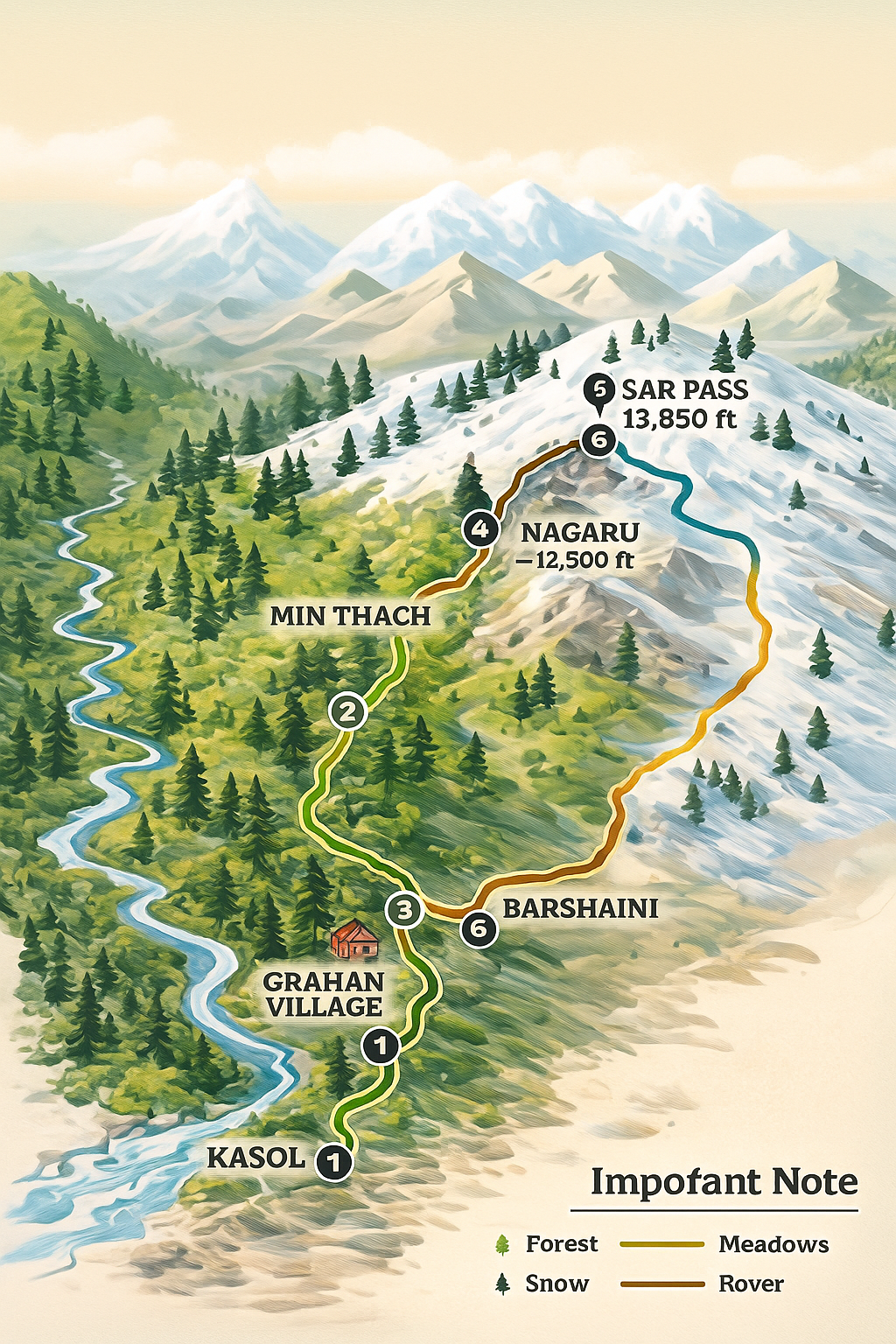
Trek Location: The trek takes place in the beautiful Parvati Valley of Himachal Pradesh, known for its lush forests and scenic mountain landscapes.Total Duration: The complete Sar Pass Trek journey spans 5 days, offering a balanced mix of adventure and comfort.
Maximum Altitude: Trekkers reach a high point of 13,850 ft, providing breathtaking panoramic views of surrounding peaks.
Difficulty Level: The trek is graded as Easy to Moderate, making it suitable for beginners with basic fitness and enthusiasm.
Best Time: The ideal time to experience this trek is from May to June when the trail is clear, and the weather is pleasant.
Starting Point: The trek begins from Kasol, a popular mountain village known for its vibrant culture and natural beauty.
Ending Point: The final endpoint of the trek is Barshaini, completing a rewarding Himalayan route.
Daily Trek Distance: Expect to cover around 7–9 km each day, depending on the terrain and weather conditions.
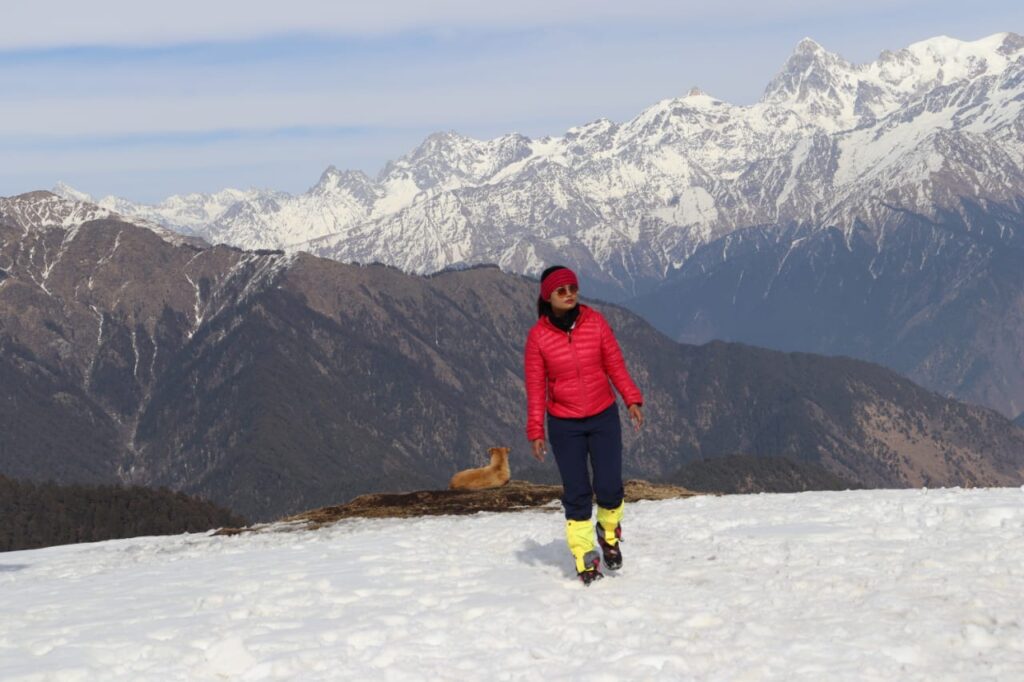
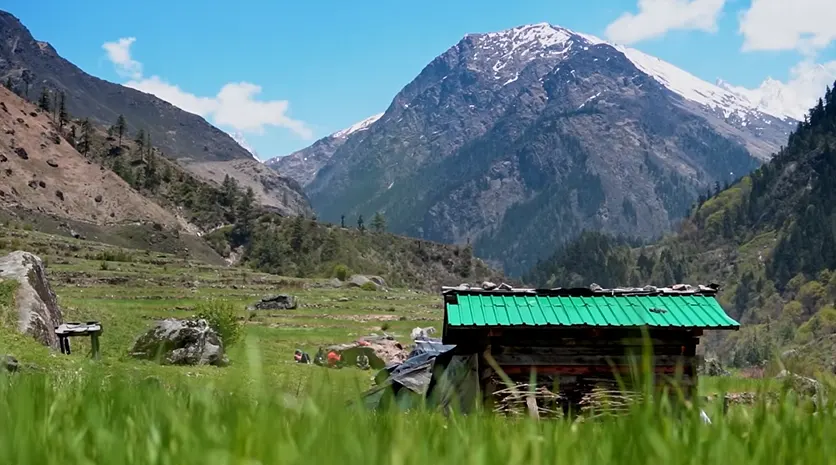
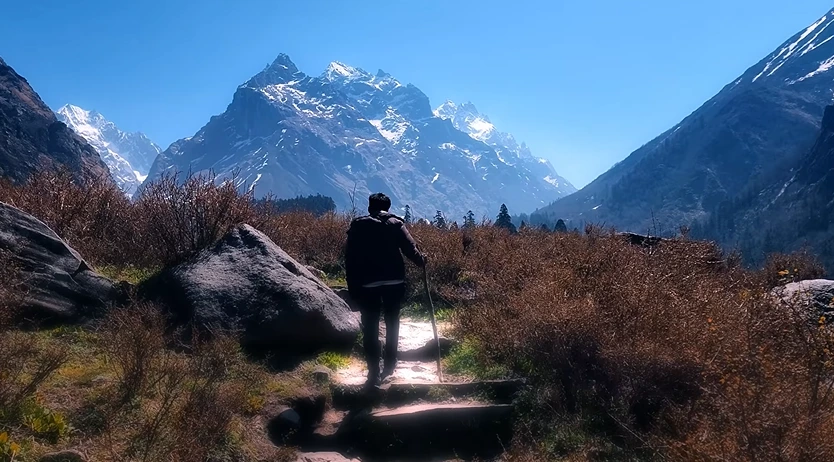
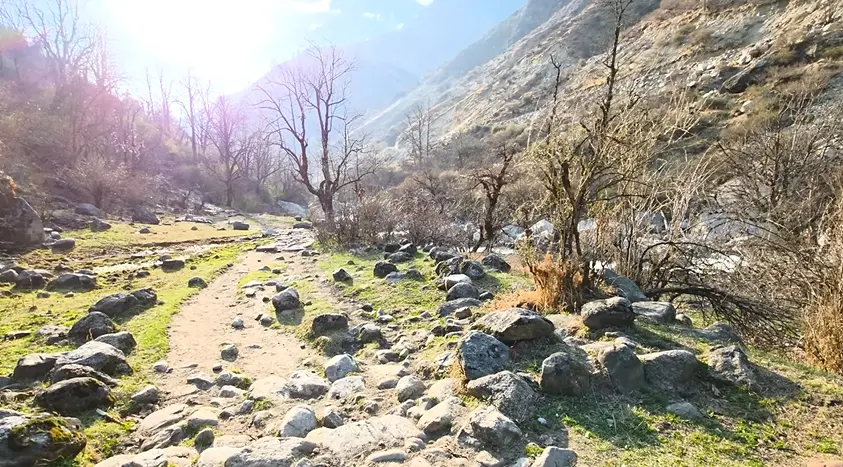
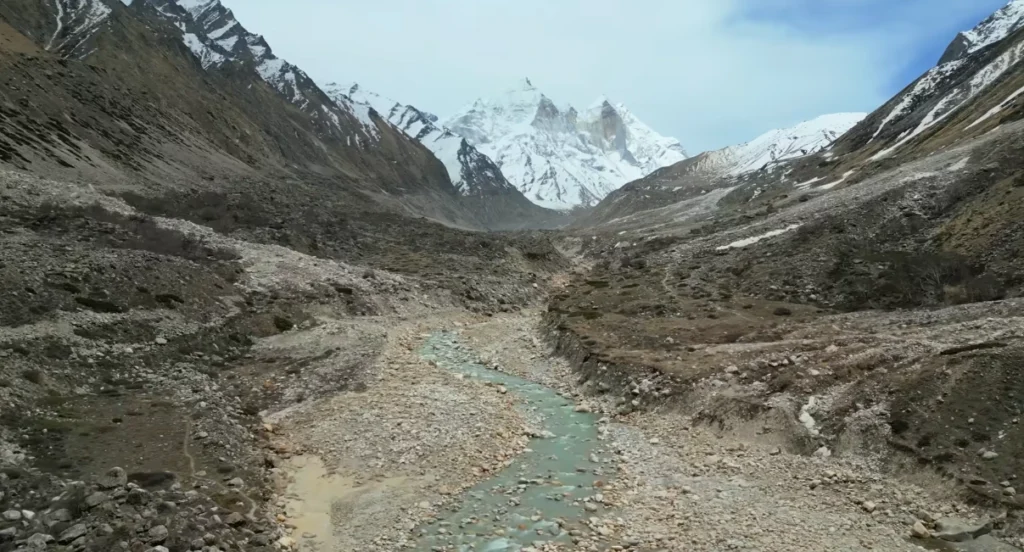
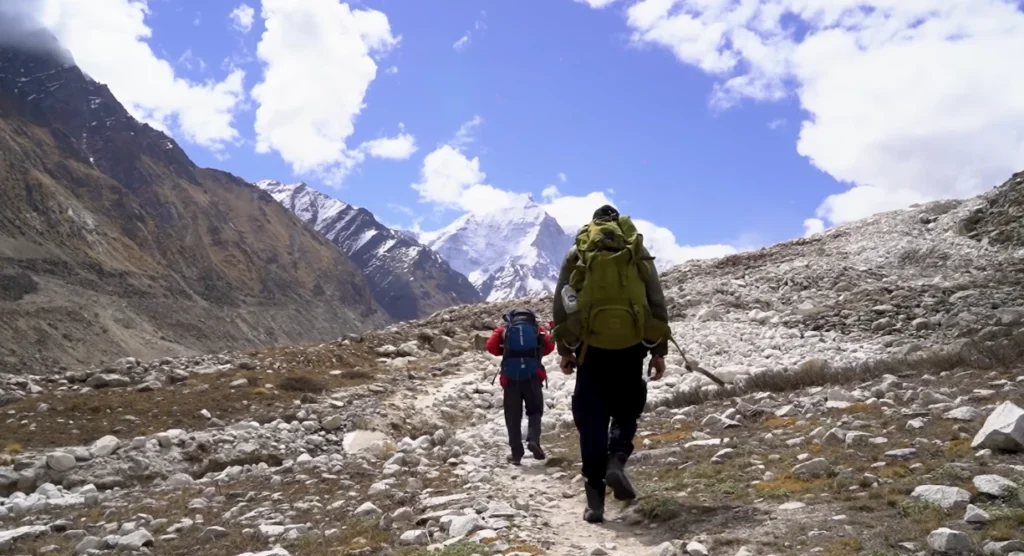
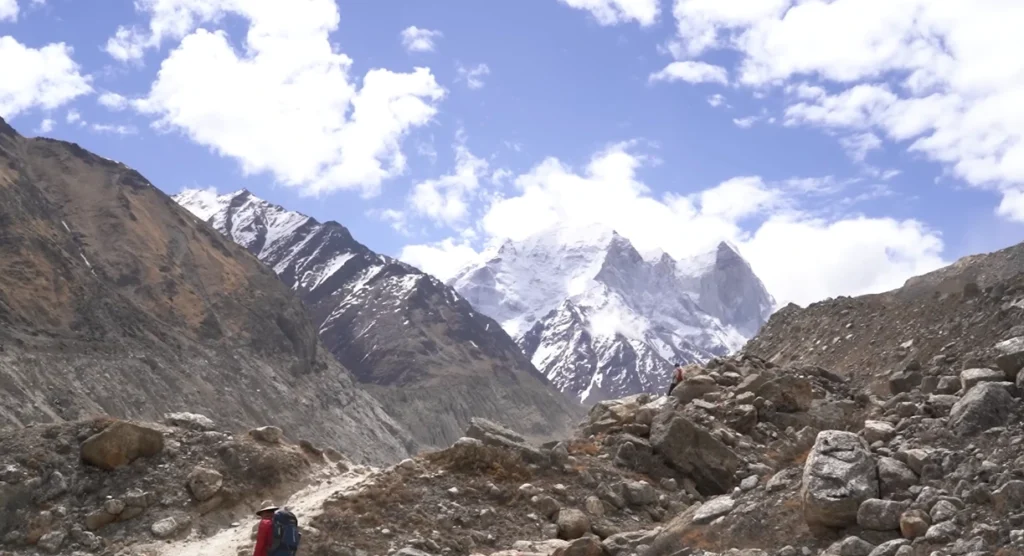
Terrain Type: The trek route includes forests, meadows, snowfields, and traditional Himalayan villages, offering diverse landscapes.
Temperature Range: Weather can vary between 0°C to 15°C, so trekkers should be prepared for both cold and mild conditions.
Group Size: The trek is conducted in small guided groups to ensure safety, personalized attention, and a better experience.
Permits: All required trek permits are arranged efficiently by The Trek 360, ensuring a smooth and hassle-free journey.
Cultural Significance
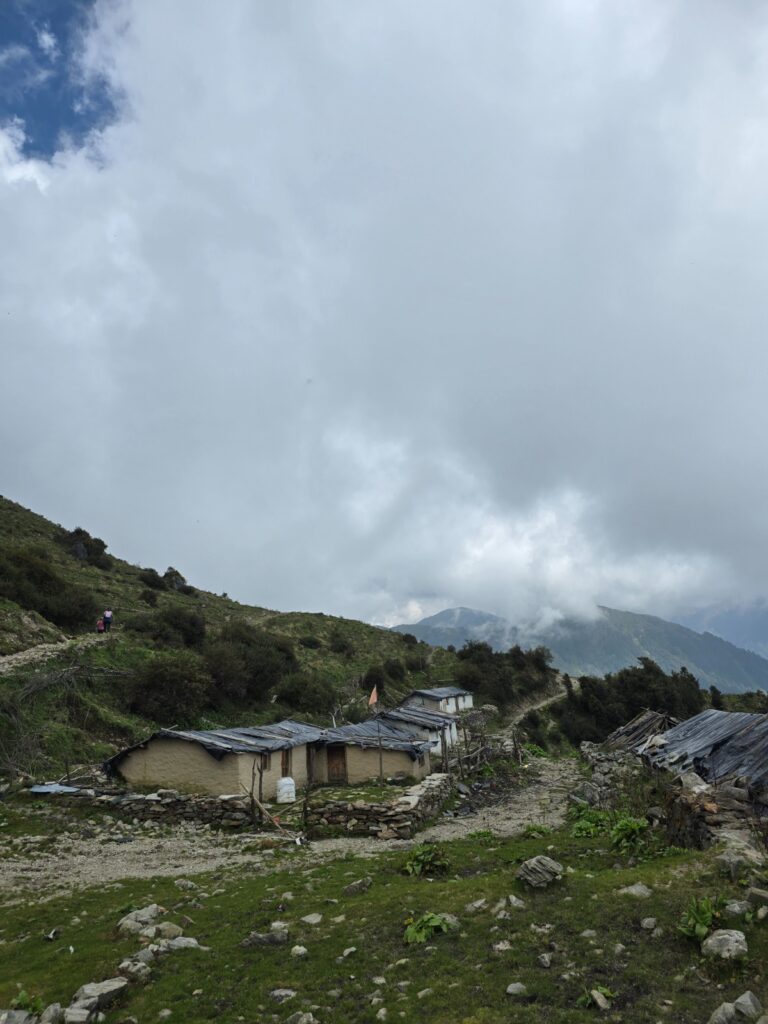
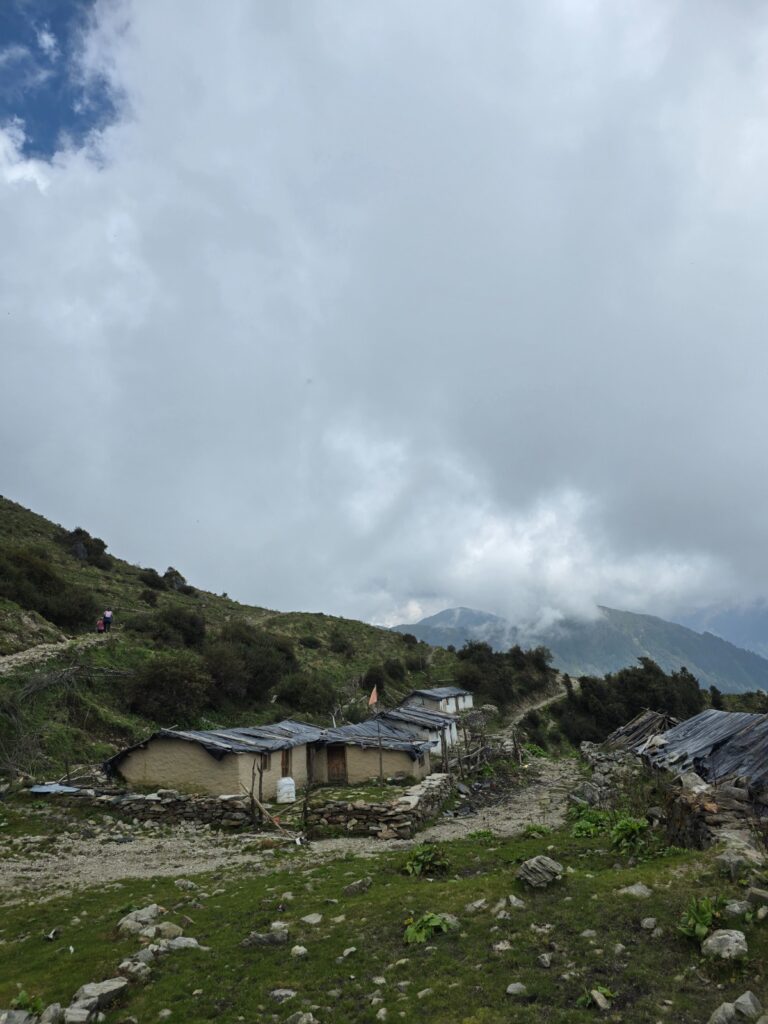
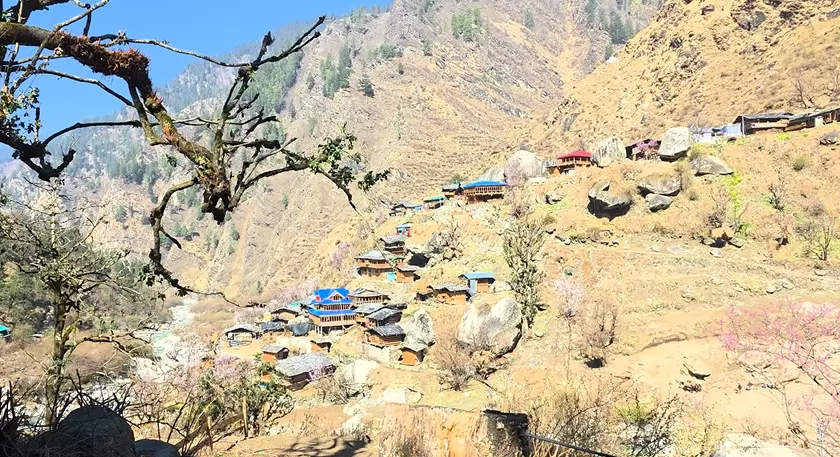
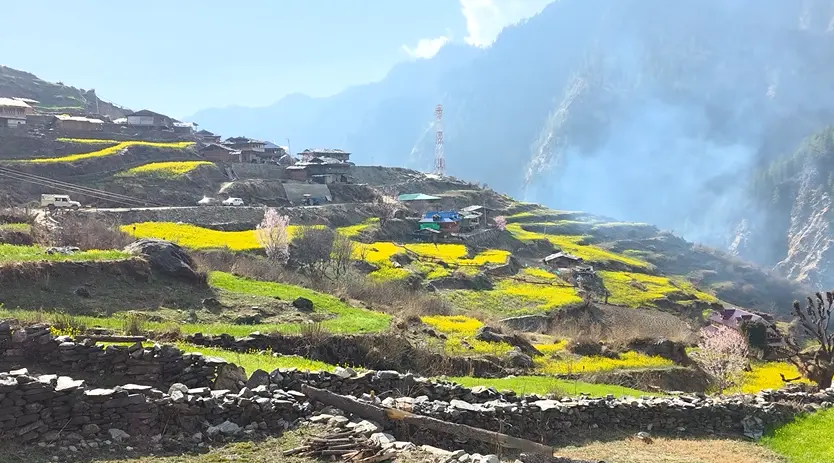
The Sar Pass trail takes you through Grahan Village, one of the oldest and most culturally rich settlements in the Parvati Valley. Believed to be over 400 years old, the village still preserves traditional Himachali architecture, with its wooden houses, slate rooftops, and narrow pathways that reflect its ancient heritage.The people of Grahan follow a self-sustained lifestyle, cultivating their own food and practicing customs passed down through generations. They speak a unique local dialect called Grahani, which is distinct from the commonly spoken Himachali languages, adding to the village’s cultural identity.
The region holds deep spiritual significance. Local deities—especially Jamdagni Rishi and the revered village “Devtas”—are an important part of community life. Festivals dedicated to these deities often include traditional music, vibrant nati dance, and sacred rituals that bring the village together.
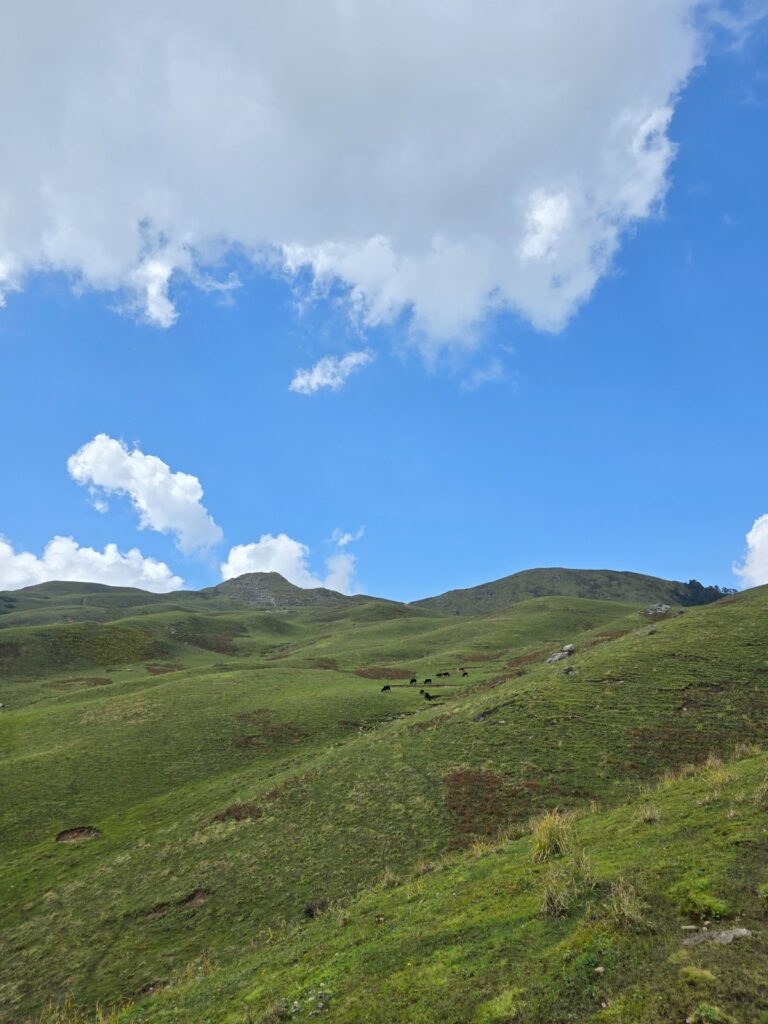
Shepherd culture also plays a vital role in this region. During the summer months, local shepherds migrate with their herds to the higher meadows such as Min Thach and Biskeri Thach, continuing a pastoral lifestyle that has remained unchanged for centuries.
As you trek along the Sar Pass trail, you witness authentic Himalayan living—simple homes, heartfelt hospitality, and a profound respect for nature. This cultural immersion transforms the trek from a scenic adventure into a deeper, more meaningful Himalayan experience.
Religious Significance
The Sar Pass region is deeply rooted in the traditional Devta culture of Himachal Pradesh. Villages along the route—especially Grahan—worship local deities who are believed to protect the land, forests, and people. These divine figures influence community decisions, festivals, and daily life.Jamdagni Rishi, one of the revered Sapta Rishis in Hindu tradition, holds a highly respected place in the beliefs of the locals. Many believe he meditated in the upper regions of the Parvati Valley, and his presence is honored through rituals and ceremonies.
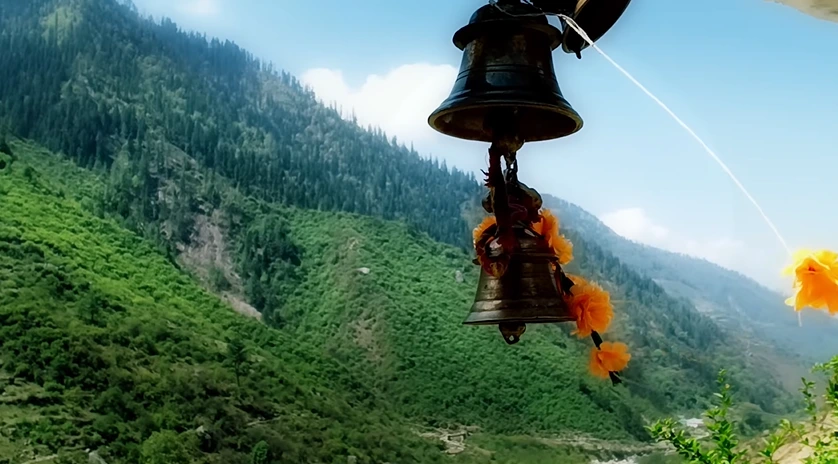
As trekkers move along the trail, they come across small wooden temples, sacred stones, prayer flags, and offering sites—each representing the strong spiritual bond the villagers share with their surroundings.
Festivals such as Devta Yatra reflect this devotion through long processions, traditional music, and prayers as the deity idol is carried through the valley. These age-old traditions highlight the religious depth of the mountain communities.
For trekkers, this spiritual environment adds peace and meaning to the Sar Pass journey, making it not just an adventure but also a culturally enriching experience.
Flora & Fauna
The Sar Pass trail takes trekkers through rich Himalayan forests filled with pine, deodar, oak, and rhododendron trees. During summer, the rhododendrons bloom in vibrant shades of pink and red, adding striking color to the forest pathways. As the trail climbs higher, the dense forests gradually open into beautiful alpine meadows covered with soft grass, seasonal wildflowers, and low-growing shrubs.The region also supports a diverse range of Himalayan birdlife, including the Himalayan Monal, Flycatchers, Magpies, and Woodpeckers. These birds are commonly spotted around forest edges and open meadows, especially in the early morning when the surroundings are peaceful and quiet.
Small mammals such as Himalayan foxes, langurs, and mountain goats inhabit the area, although sightings depend on luck and season. In summer, local shepherds bring their sheep and goats to graze in the high-altitude meadows, adding a lively cultural element to the natural surroundings.
Near Nagaru and Sar Pass, vegetation becomes sparse due to colder temperatures and strong winds. Yet, hardy alpine plants and medicinal Himalayan herbs continue to thrive close to the ground, adapted to survive in challenging conditions.
The combination of lush forests, open meadows, diverse wildlife, and colorful birds makes the Sar Pass Trek a refreshing and enriching experience for nature lovers and outdoor enthusiasts.
Geography & Landscape
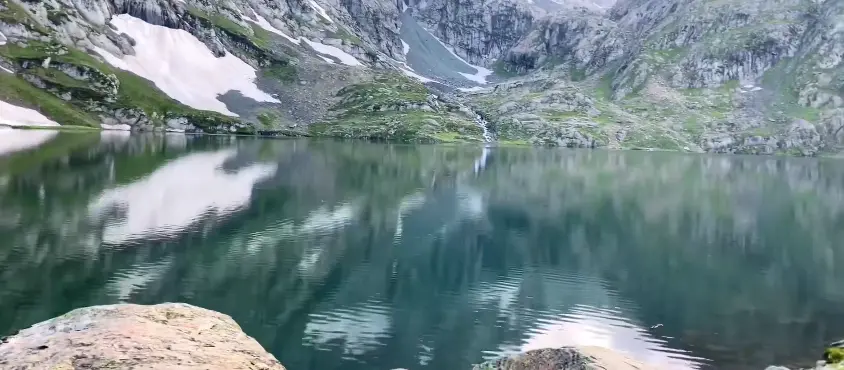
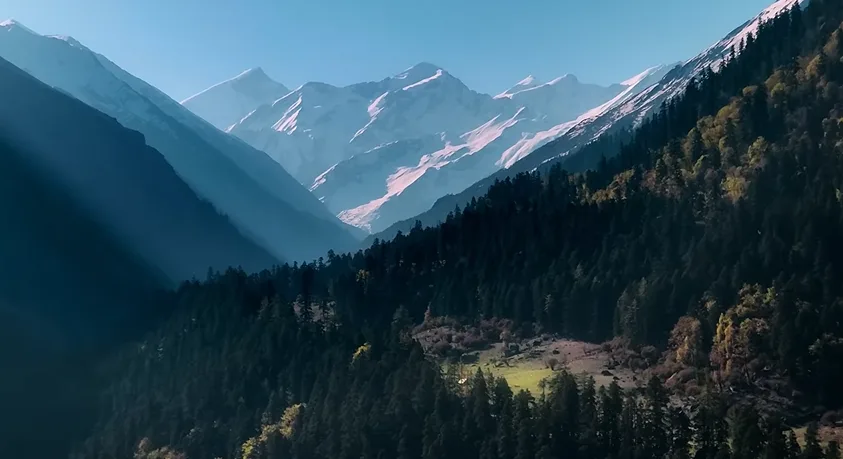
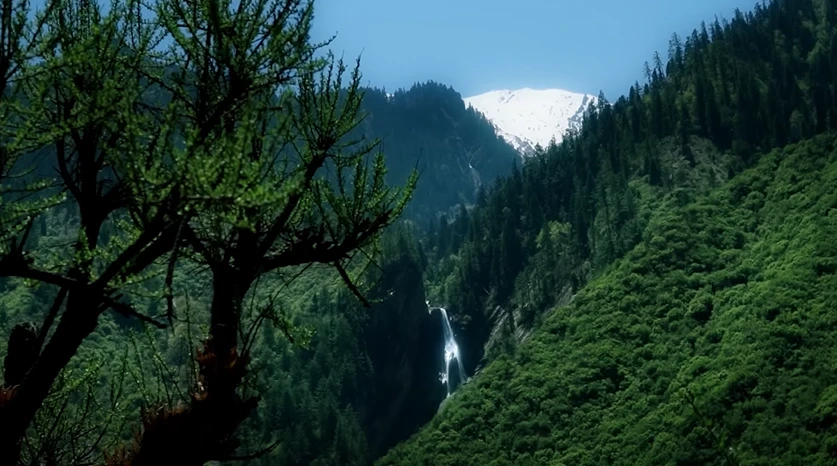
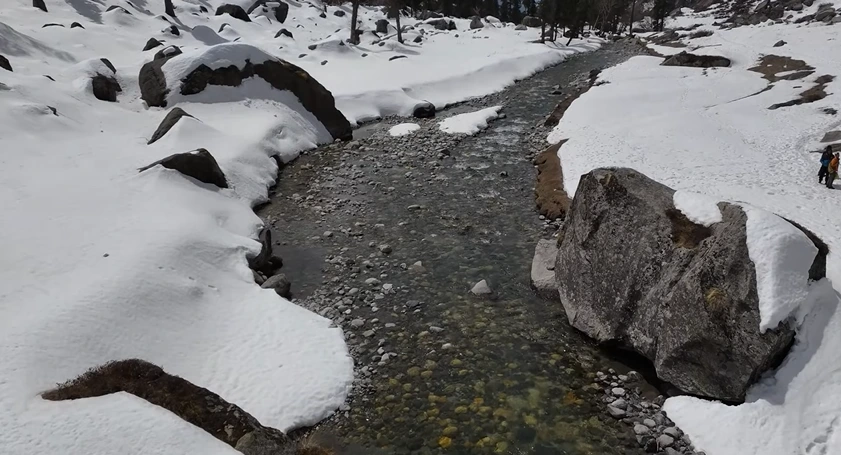
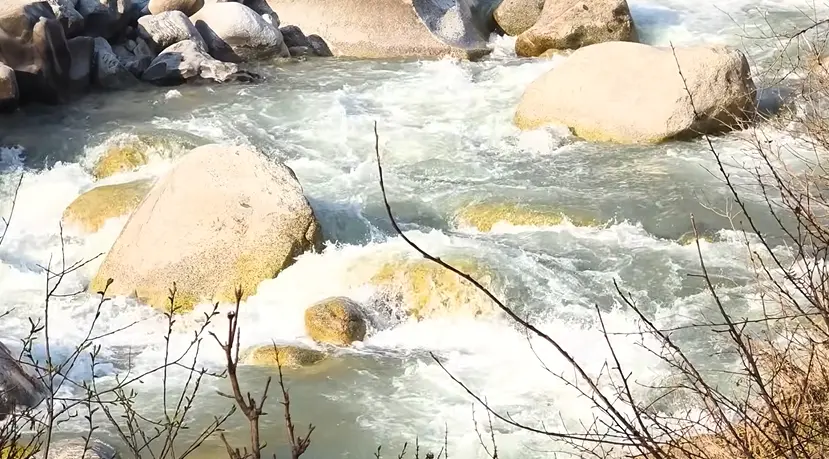
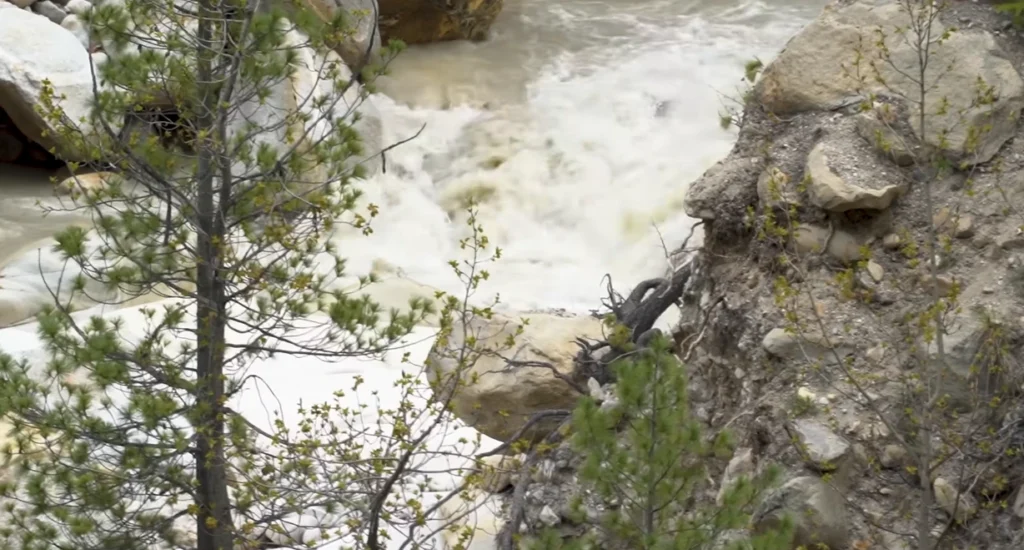
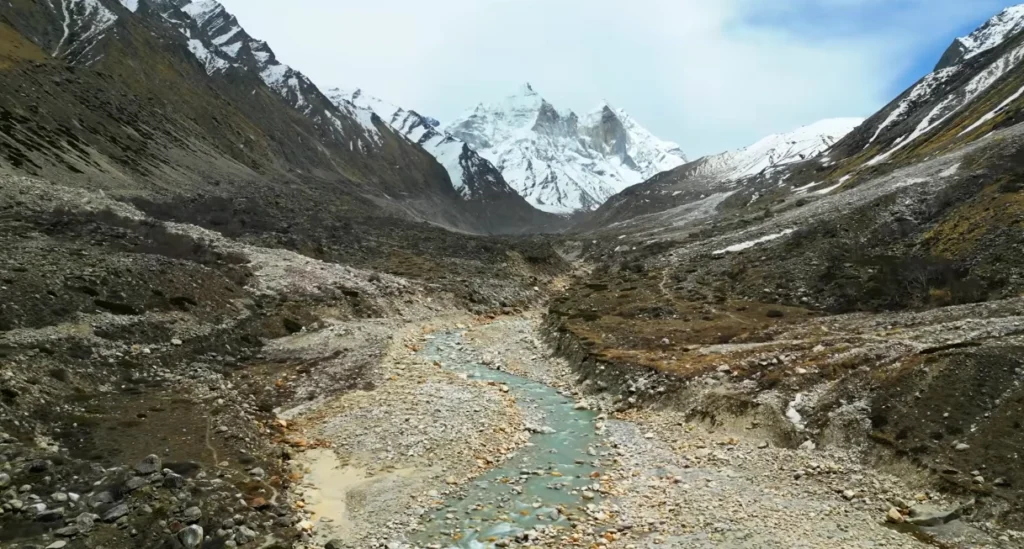
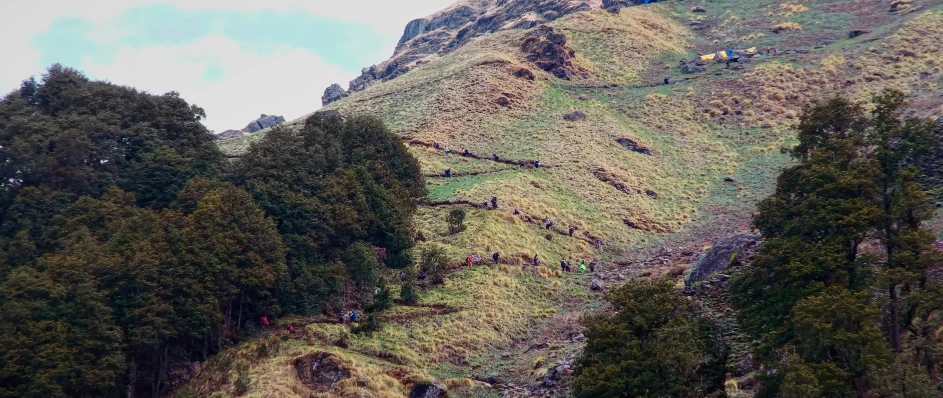
The Sar Pass Trek is located in the heart of the Parvati Valley, a well-known region in the Kullu district of Himachal Pradesh. The landscape transforms rapidly as trekkers move from lower forested areas to higher snow-covered sections, offering a beautiful mix of terrains throughout the journey.The lower parts of the trail are surrounded by dense forests of pine, deodar, and rhododendron trees. These cool, shaded pathways are crossed by small wooden bridges and fresh mountain streams, creating a peaceful and refreshing environment.
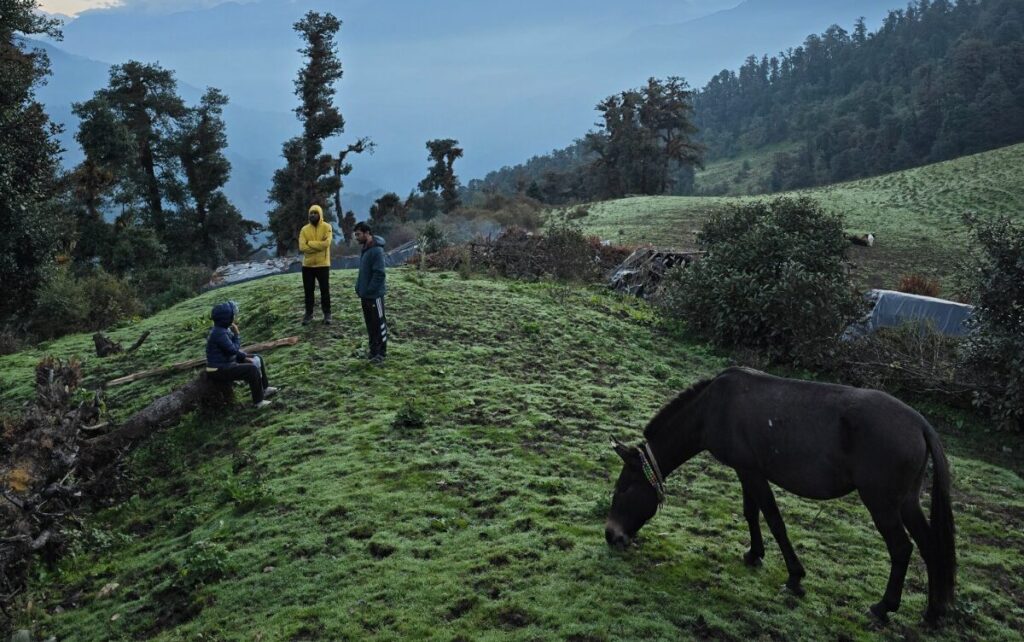
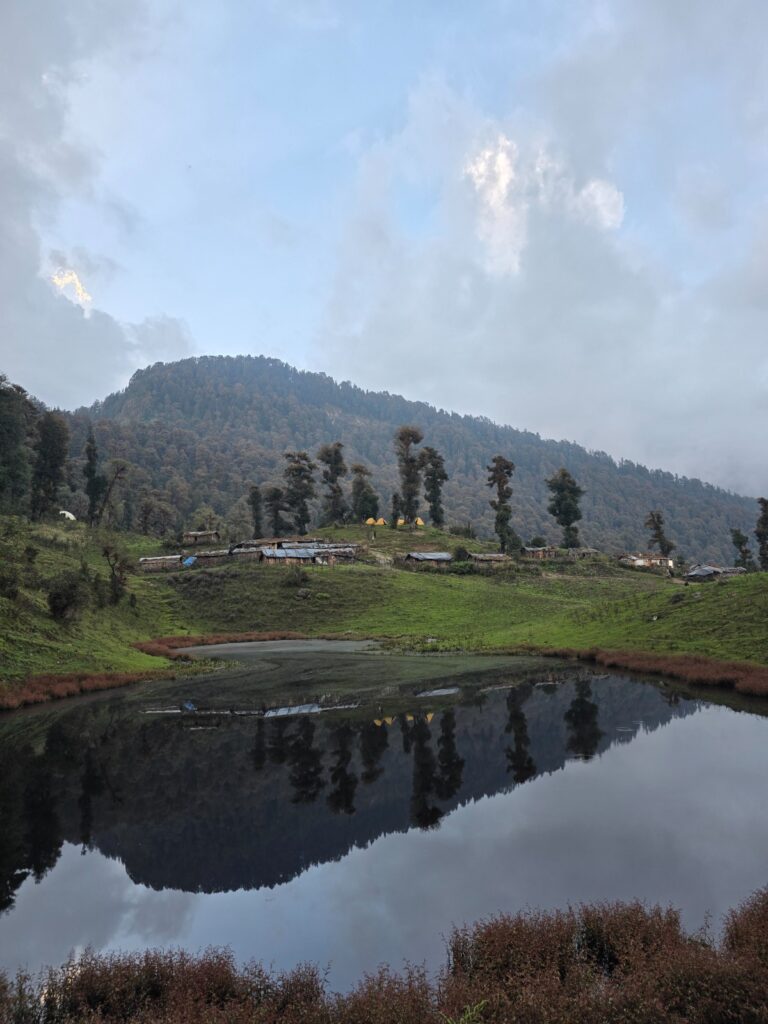
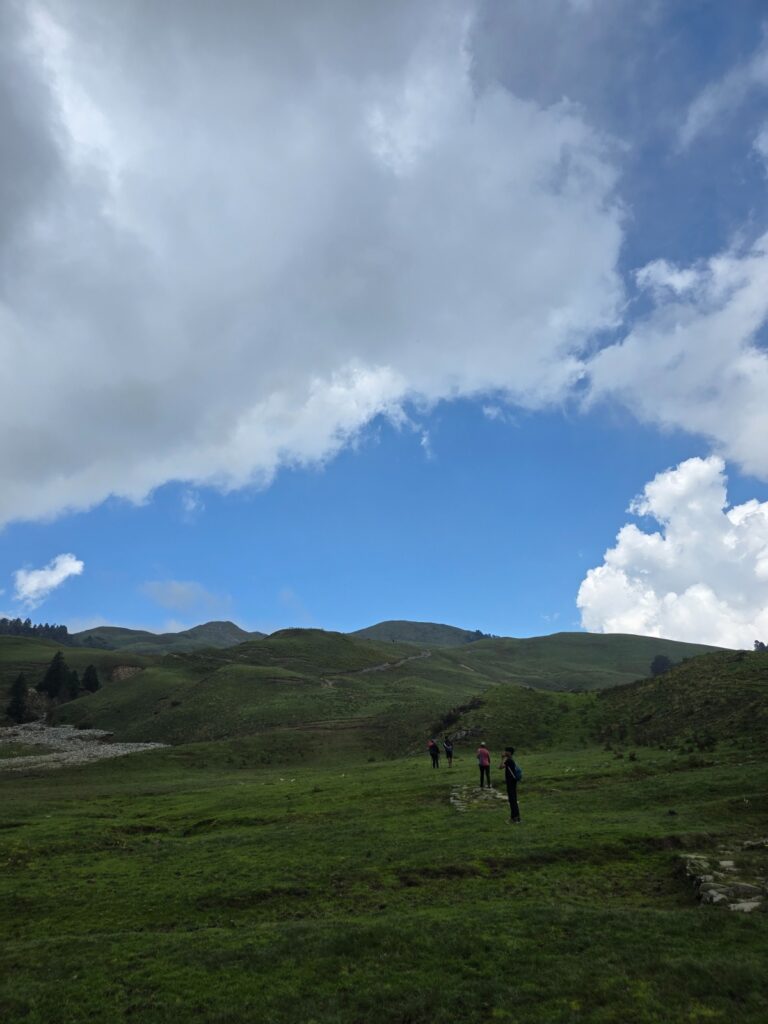
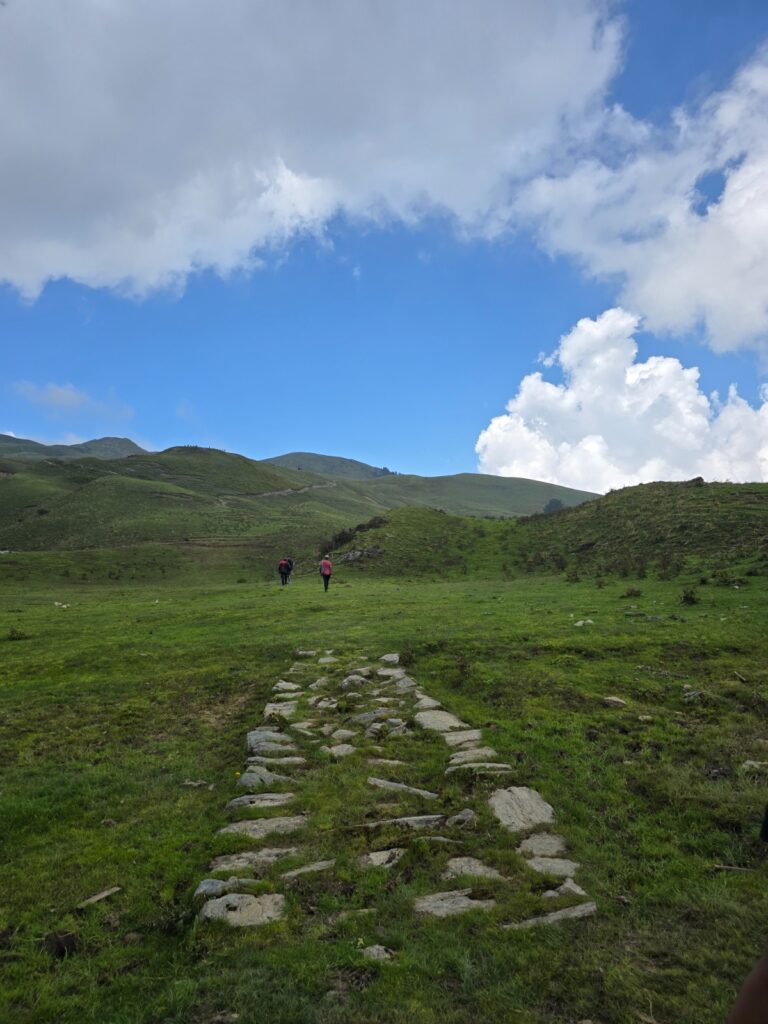
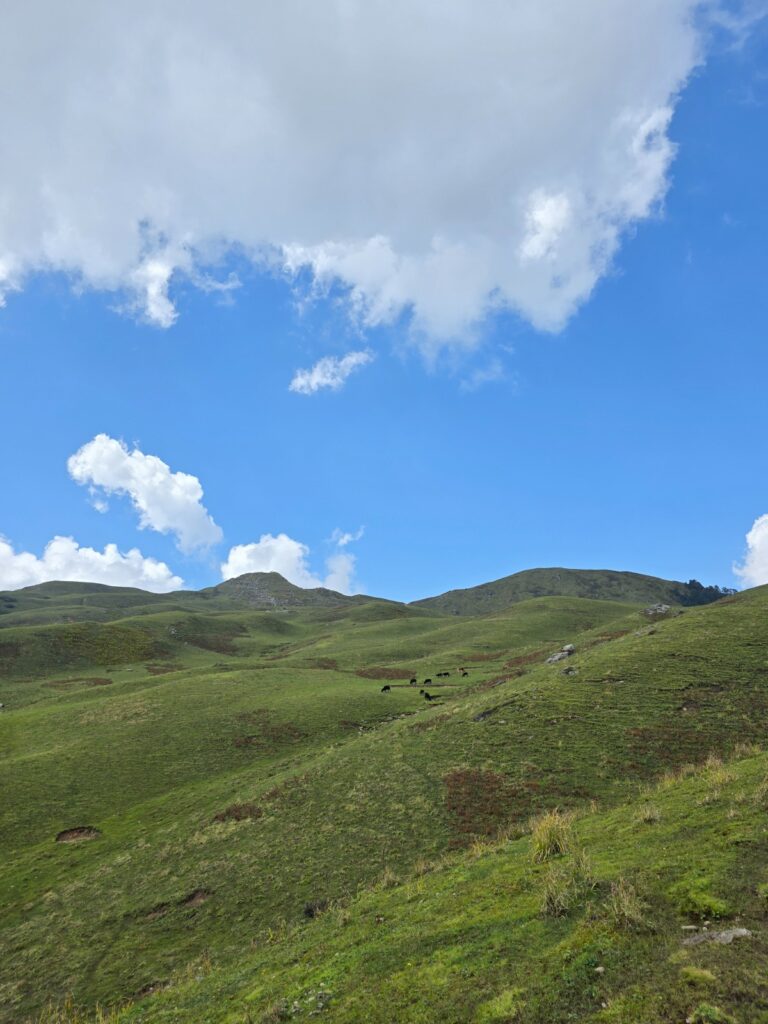
As the trail climbs higher, it opens into wide alpine meadows such as Min Thach and Biskeri Thach. These open grasslands provide expansive views of the surrounding Himalayan peaks and are often used by local shepherds during the summer months.
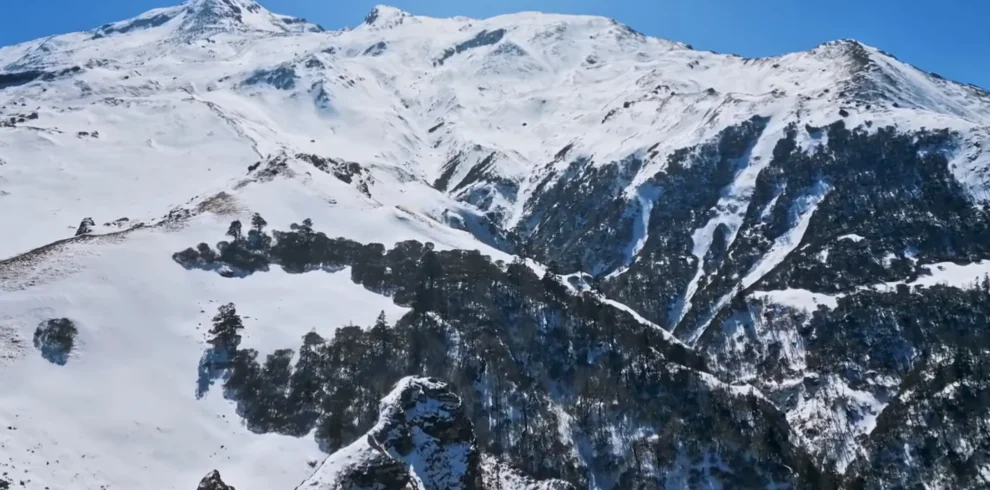
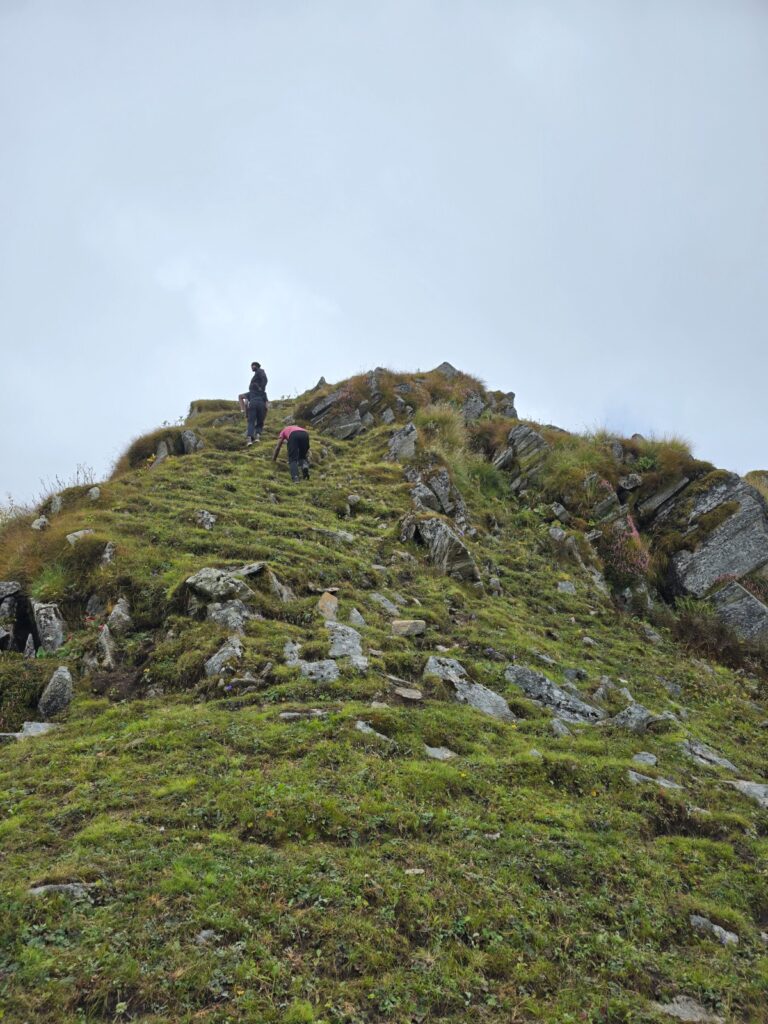
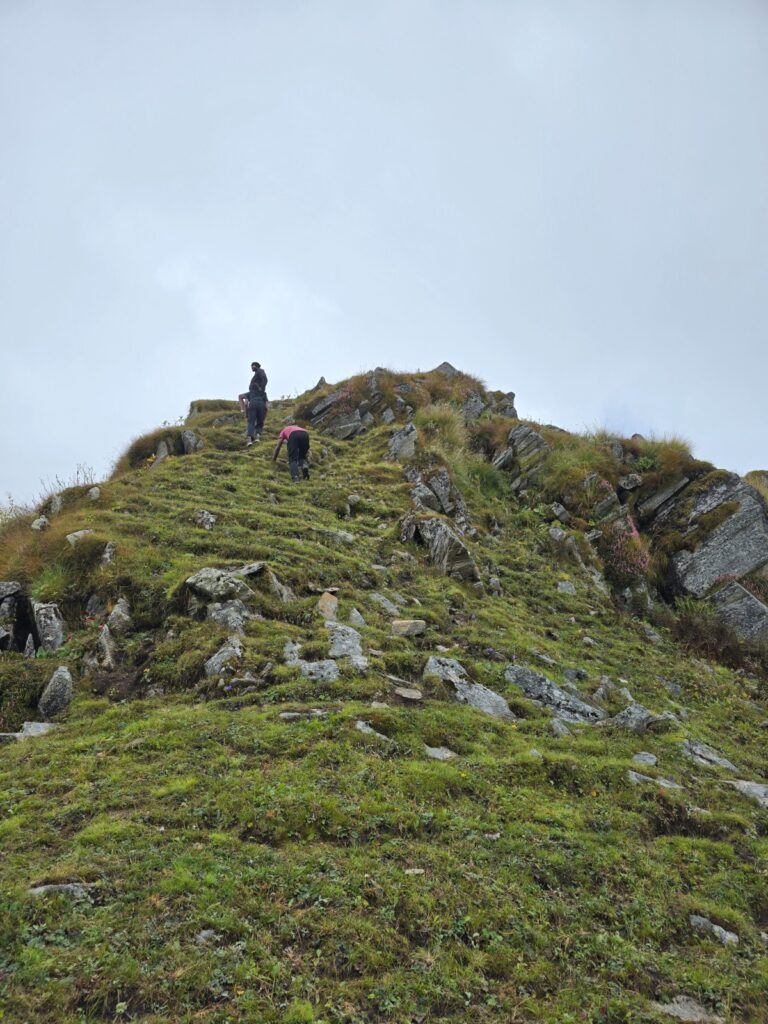
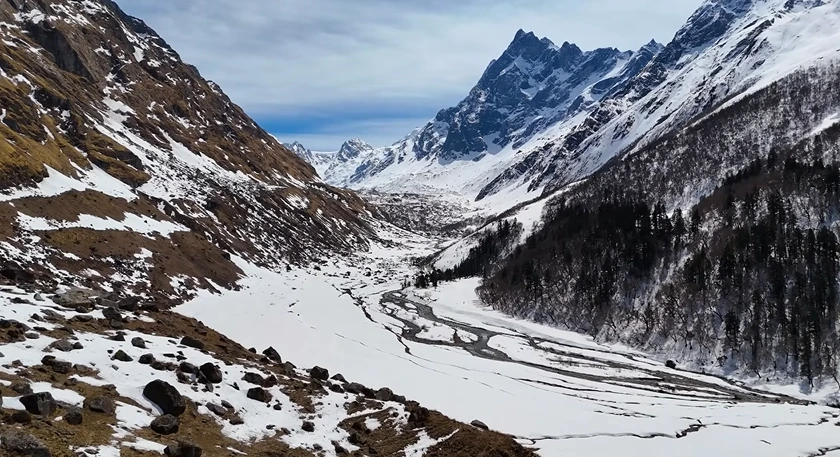
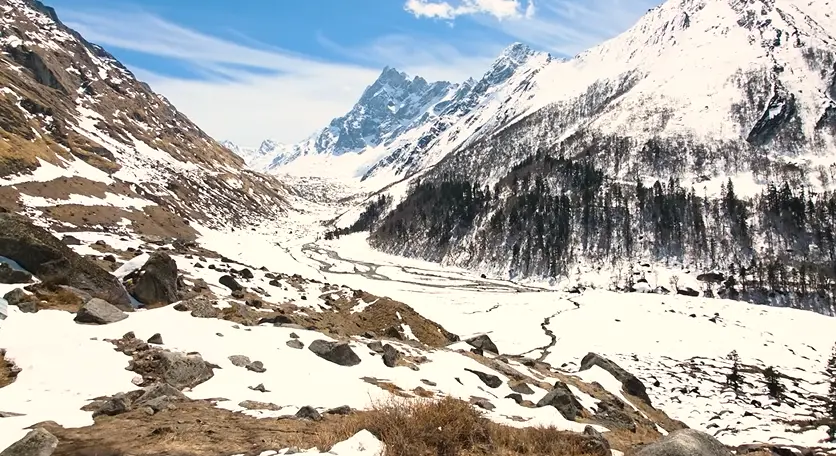
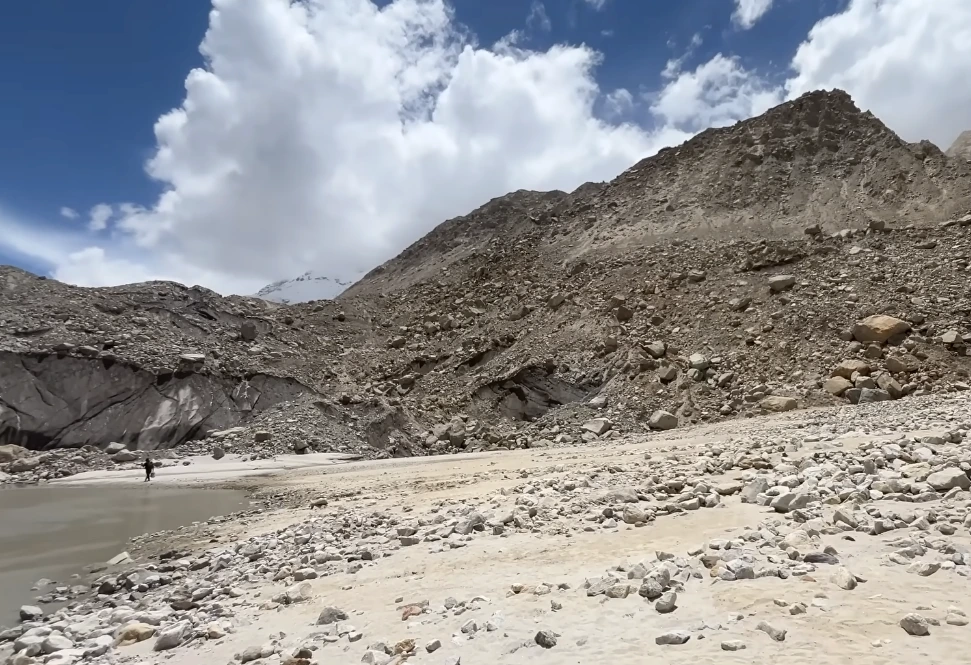
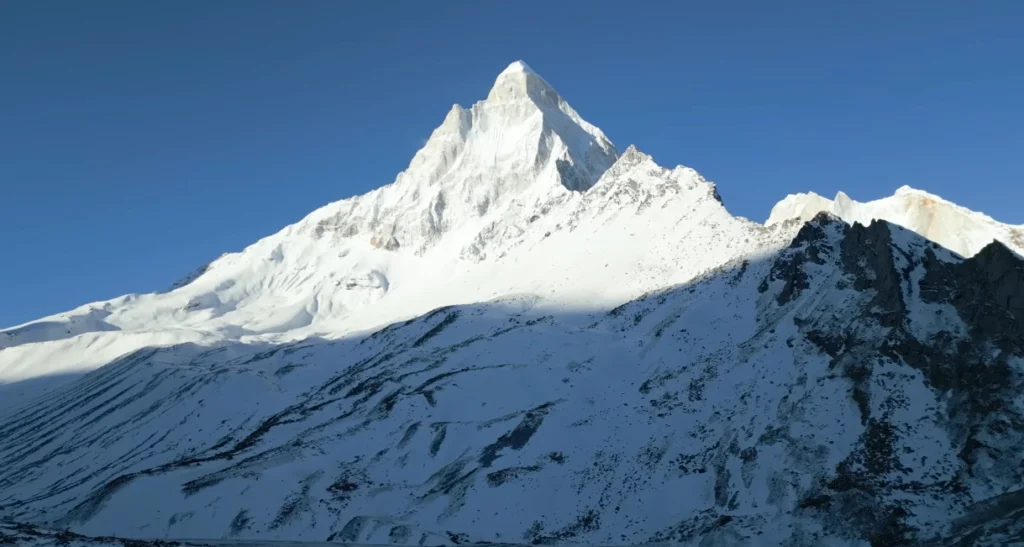
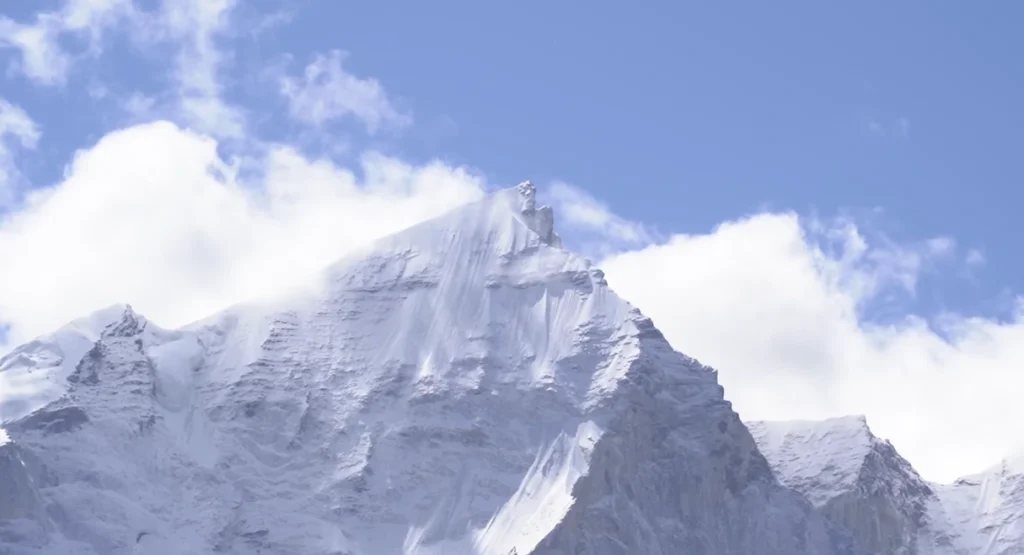
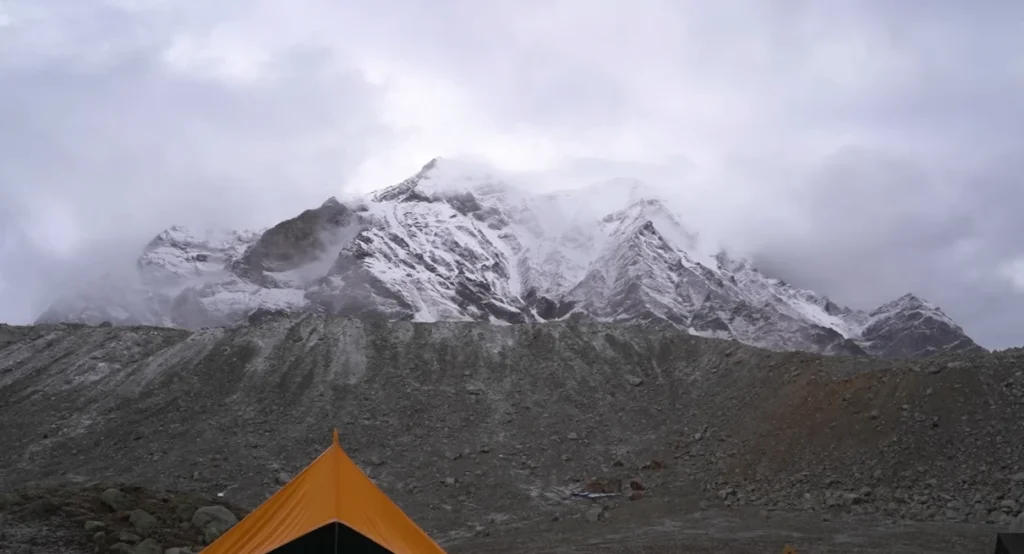
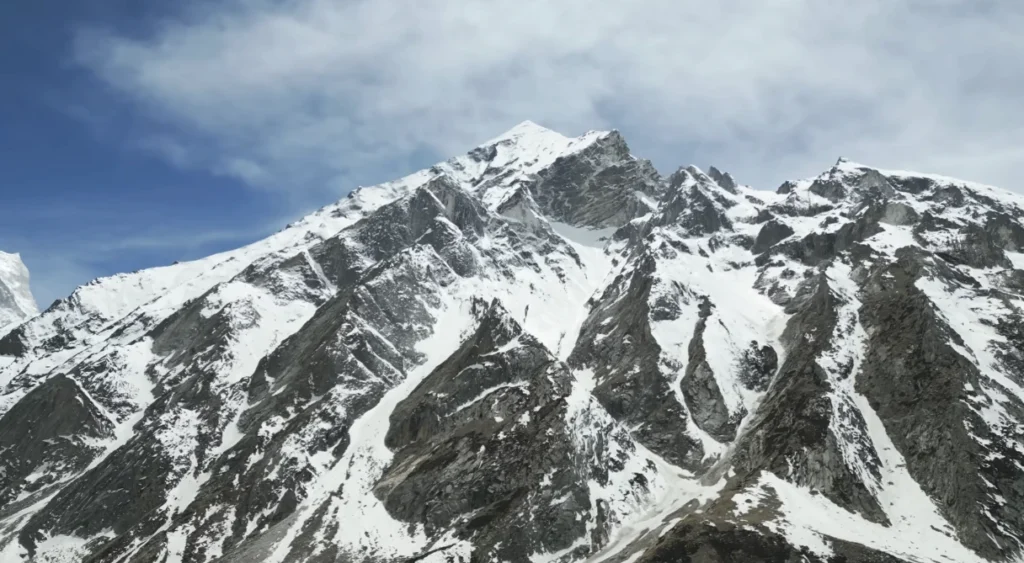
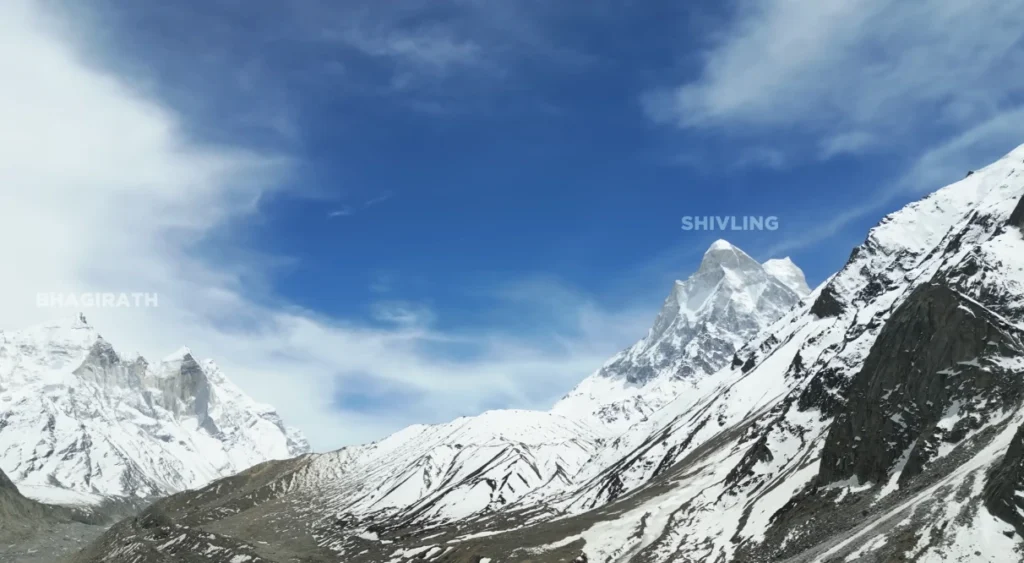
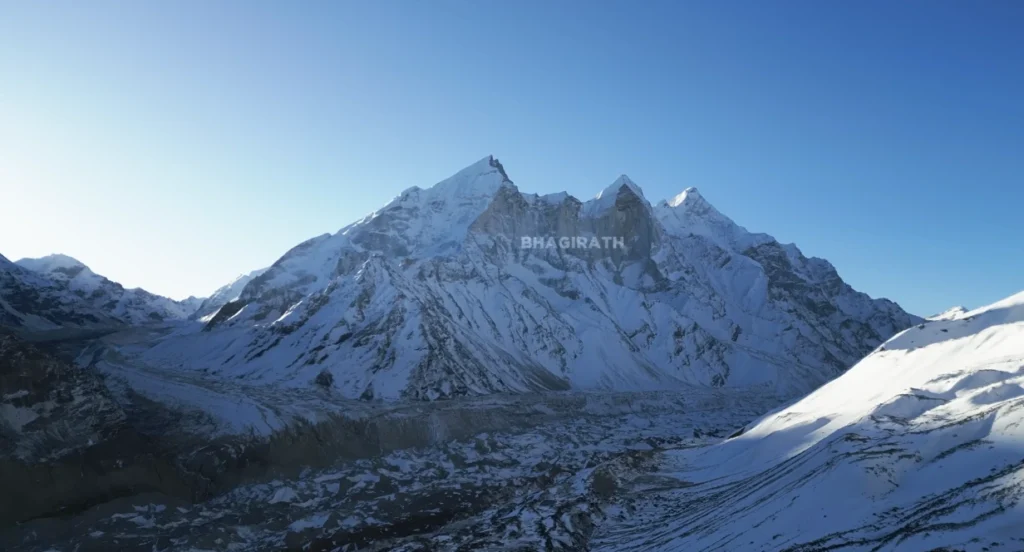
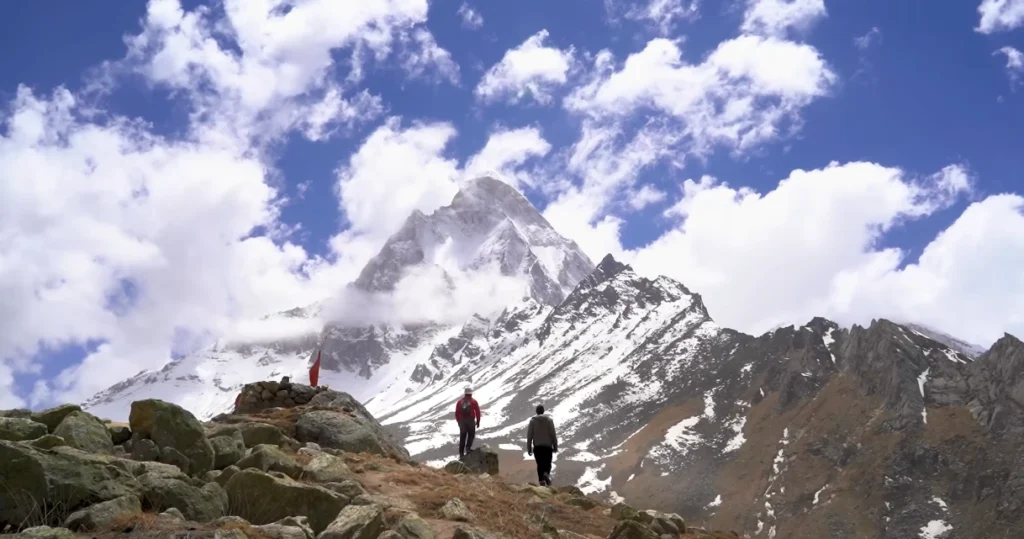
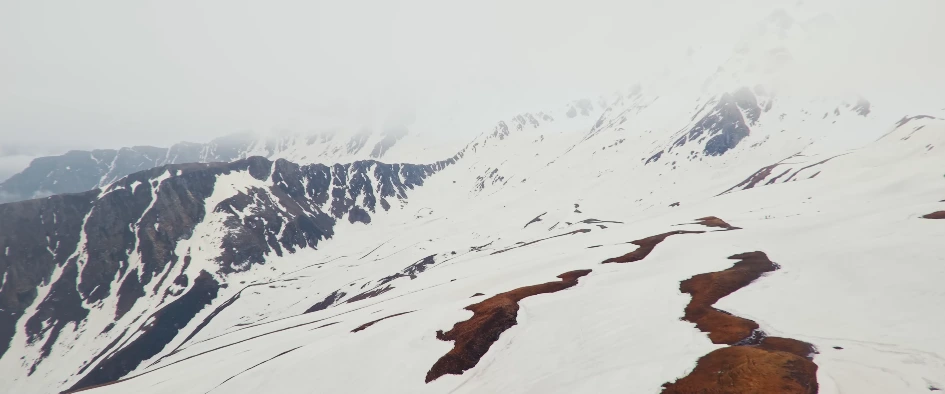
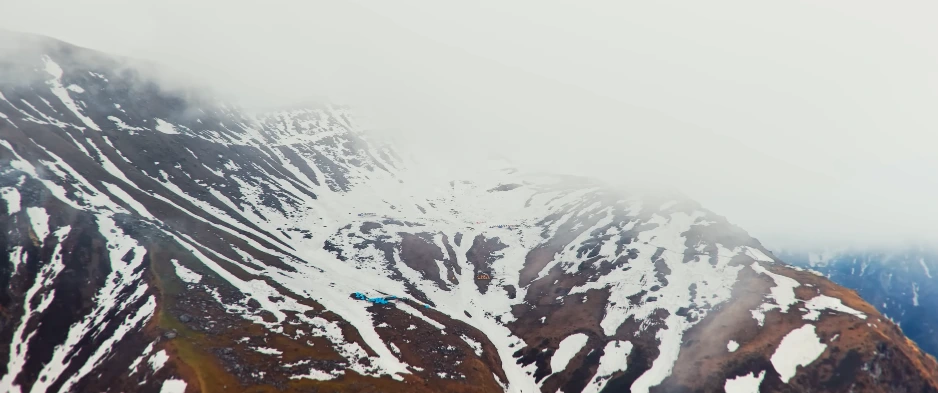
Closer to Nagaru and Sar Pass, the terrain turns steeper, colder, and more rugged. Snowfields, narrow ridges, and rocky slopes dominate this section. During May and June, the entire Sar Pass area becomes a stunning white landscape, making it one of the most picturesque parts of the trek.
With its combination of forests, meadows, snow-covered trails, and breathtaking mountain views, the Sar Pass Trek offers one of the most diverse and memorable landscapes in Himachal Pradesh.
Weather & Temperature Guide
The weather on the Sar Pass Trek changes noticeably as the altitude increases, giving trekkers a mix of conditions—from cool forests to breezy meadows and finally the cold, snowy heights near Sar Pass.During May, the lower camps such as Grahan and Min Thach remain cool and comfortable, with daytime temperatures ranging from 10°C to 15°C. Nights are colder, often dropping to 3°C to 6°C, especially in the open meadows.
As trekkers move higher toward Nagaru, the temperature drops significantly. Daytime temperatures stay between 5°C to 8°C, while nights can fall close to 0°C or even slightly below, making this one of the colder camps on the route.
At Sar Pass (13,850 ft), the weather becomes windy and cold. Daytime temperatures typically range from 0°C to 5°C, and snow is common throughout May and early June, creating a true high-altitude Himalayan experience.
In June, the melting snow makes the trail slightly easier. The lower camps get warmer, with daytime temperatures rising to 12°C to 18°C, although the nights remain cool and crisp.
Since mountain weather can change suddenly, trekkers should carry warm layers, rain protection, and sturdy footwear. With proper gear and expert guidance from The Trek 360, the trek remains both safe and comfortable in varying conditions.
Why Choose The Trek 360
Choosing the right team plays a major role in shaping your Himalayan trekking experience, and The Trek 360 is dedicated to making your Sar Pass journey safe, comfortable, and truly memorable. Our team takes care of everything—from planning the route to conducting safety checks—so you can focus entirely on enjoying the adventure.The Trek 360 provides certified and experienced trek leaders who are familiar with every section of the Sar Pass trail. They guide trekkers through forests, meadows, and snow-covered routes with proper instructions, ensuring a safe and smooth experience even for beginners.
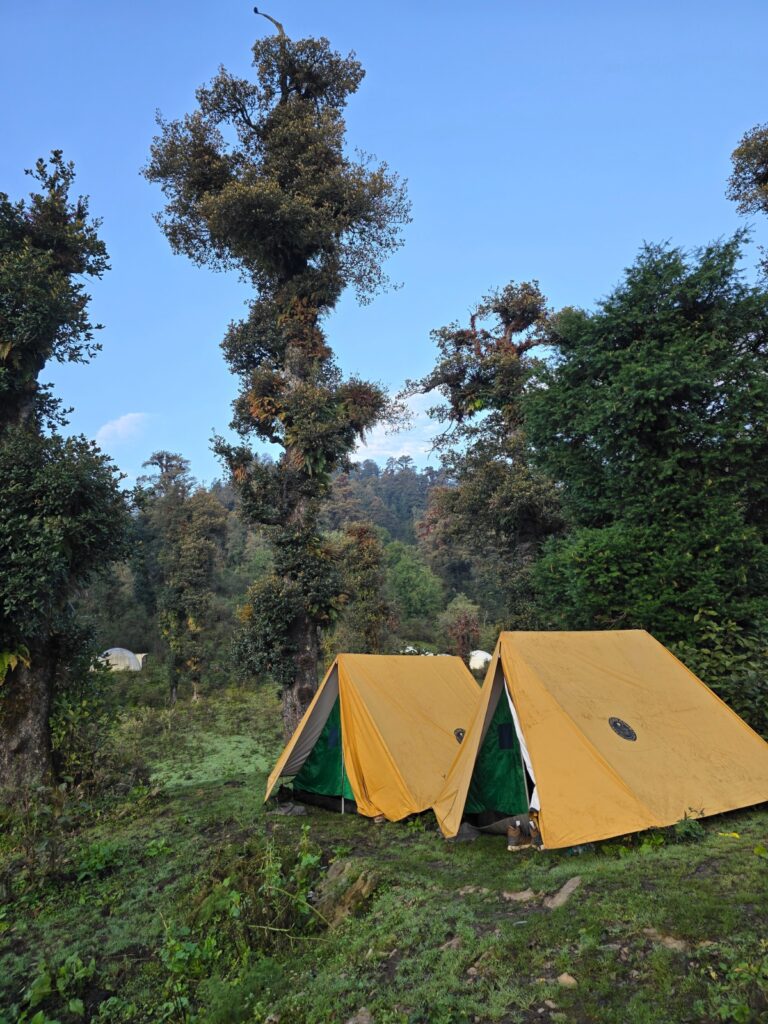
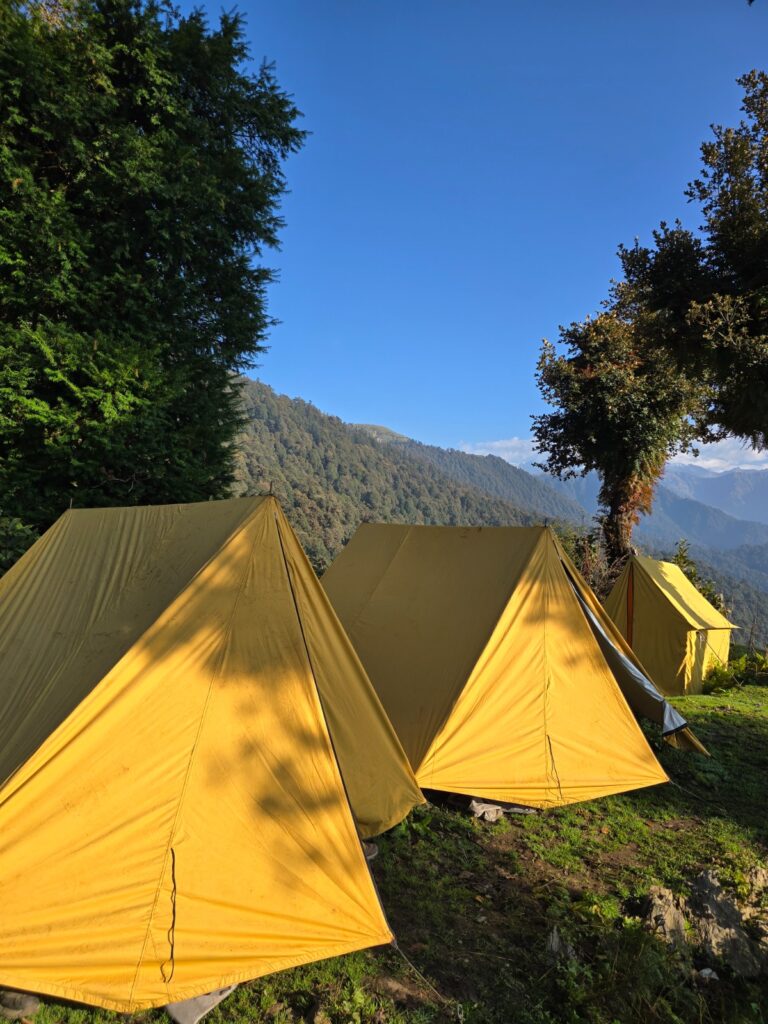
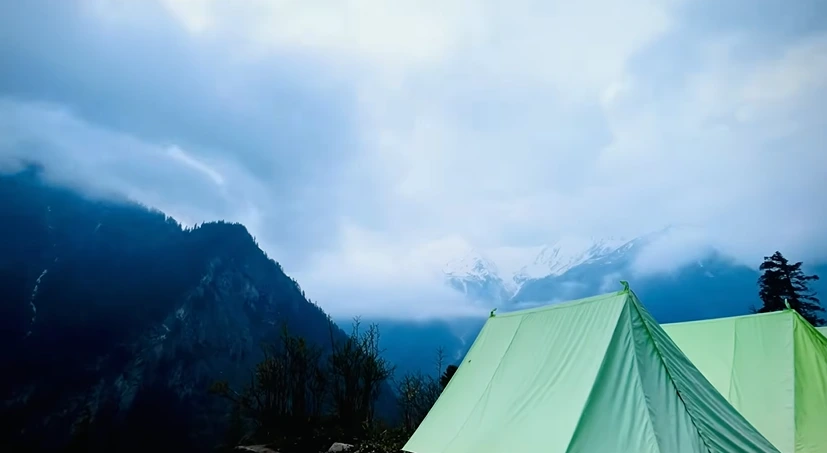
To make your stay comfortable, we use high-quality camping equipment, warm sleeping bags, and clean, spacious tents. Our kitchen team prepares fresh and nutritious meals at every campsite, keeping you energized throughout the trek.
Safety is always our top priority. Each group carries essential safety gear such as microspikes, gaiters, first-aid kits, and oxygen cylinders. At higher camps, daily health checks are conducted to monitor every trekker’s well-being.
The Trek 360 also maintains small group sizes to provide personalized attention, proper guidance, and a better overall trekking experience. Our supportive team stays with you at every step, ensuring your Sar Pass adventure is smooth, enjoyable, and unforgettable.
Important Note
No Drugs or Illegal Items: Any type of banned substance, drug, or illegal item is strictly prohibited during the tour.No Weapons or Harmful Items: Weapons, fireworks, and any unsafe objects are not allowed under any circumstances.
Rule Violation Consequences: Anyone breaking the rules or the law will be asked to leave the trip immediately, with no refund provided.
Leaving Campsite Without Permission: Trek360 is not responsible for your safety if you wander outside the campsite without informing the team.
Damage Responsibility: Any damage to tents, pillows, mattresses, or campsite property must be paid for in full by the person responsible.
Loss or Theft Disclaimer: Trek360 is not liable for the loss or theft of your personal belongings. Keep your items safe at all times.
Mandatory ID Proof: Every guest must carry a valid government-issued ID card for verification.
Entry Restricted to Registered Guests: Only registered travelers may stay inside the campsite. Extra guests will be allowed only with prior approval.
Booking Confirmation: Your booking is considered confirmed only after full payment is received by Trek360.
Injury & Trip Safety: Trek360 is not responsible for injuries or personal losses during the trip. Please follow safety instructions carefully.
Environmental Responsibility: Guests must help keep the surroundings clean, safe, and litter-free.
Vehicle Breakdowns: If a vehicle breaks down, travelers must wait until repairs are done. No replacement vehicle will be arranged.
Unexpected Delays: Delays may occur due to traffic, weather conditions, or roadblocks. Please remain patient and cooperative.
No Cancellation or Refund: Tickets and bookings are strictly non-refundable, non-exchangeable, and non-transferable.
AC Usage in Hills: Vehicle AC will be turned off once the journey enters hilly regions due to safety requirements.
Zero Tolerance for Misbehavior: Any form of misbehavior or misconduct will not be tolerated and may lead to immediate removal from the trip.
Overview
The trek begins from Kasol, a small yet lively village famous among backpackers. As you walk ahead, the trail takes you through tall pine forests, clear streams, and traditional homes in Grahan Village. This part of the trek gives you a close look at the simple lifestyle and culture of the people living in the mountains.
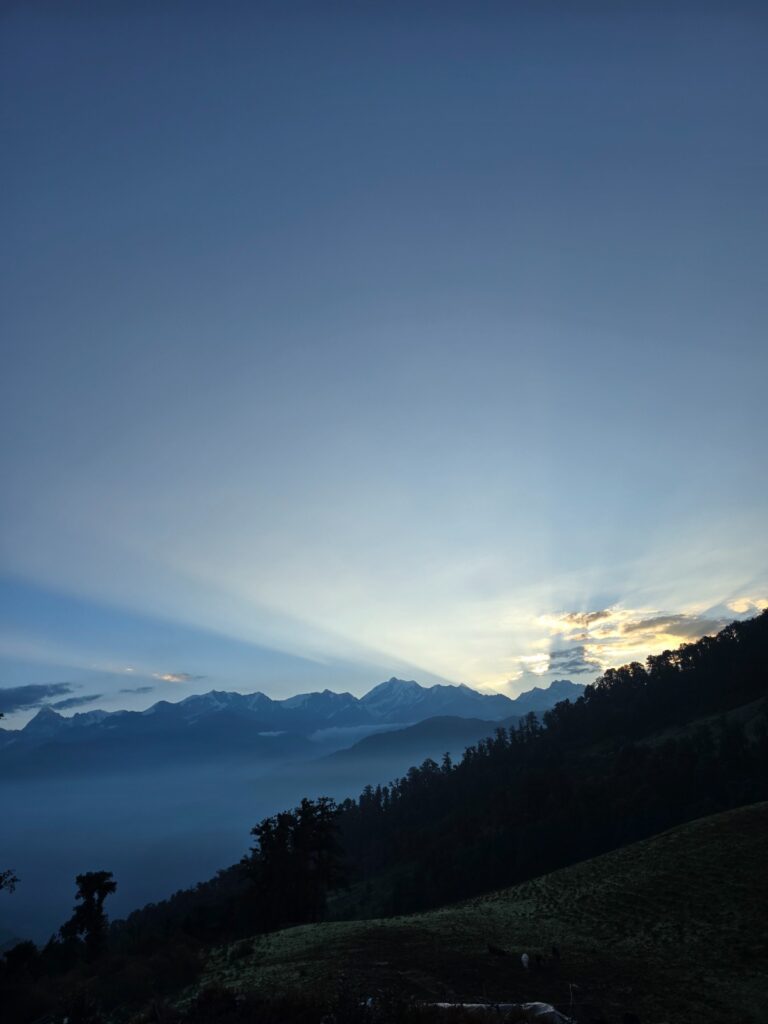
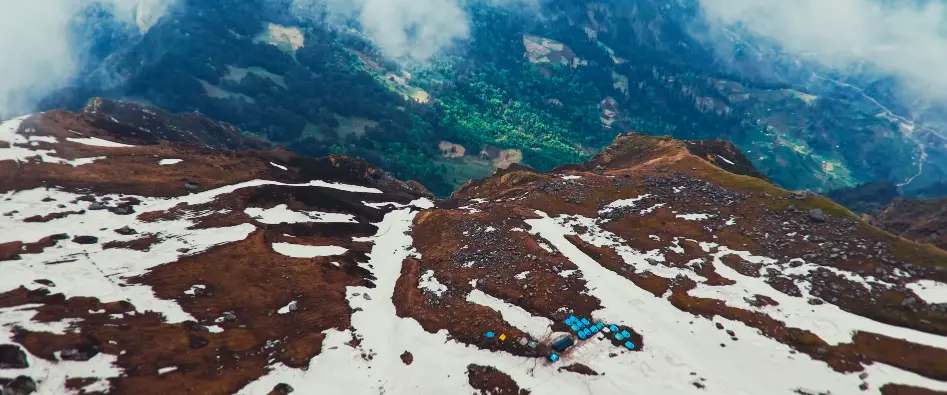
After Grahan, the route opens into wide green meadows at Min Thach, where you can relax and enjoy the fresh mountain breeze. From here, the trail becomes more exciting with steep climbs and snow patches leading towards Nagaru, one of the coldest campsites on the trek. The views from Nagaru are breathtaking, especially during sunrise and sunset.
The biggest highlight of the trek is reaching Sar Pass, located at an altitude of 13,850 ft. Sar Pass is known for its frozen snowfield, and the famous snow slide after the pass adds thrill to the entire experience. The journey down to Biskeri Thach offers beautiful meadows and peaceful landscapes that make the trek even more memorable.With The Trek 360, every trekker enjoys a safe, comfortable, and well-planned experience. Our trained leaders, quality equipment, healthy food, and focus on safety make this trek perfect for beginners and families as well. If you are looking for a balanced Himalayan adventure filled with forests, snow, and scenic views, the Sar Pass Trek is a wonderful choice.
Highlights
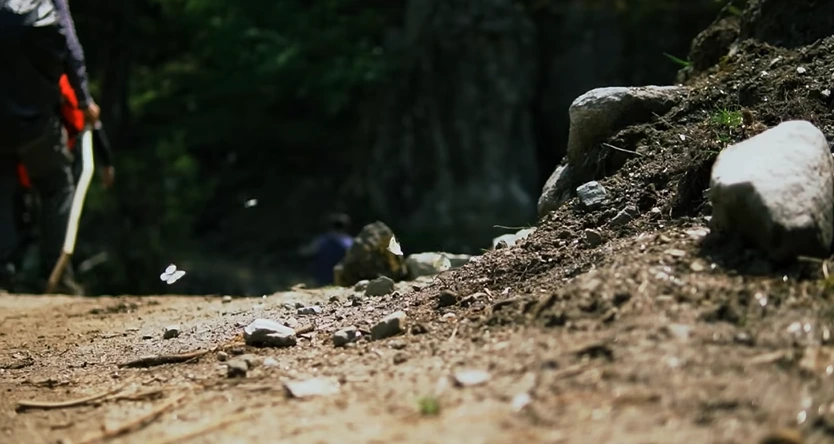
- Beautiful Forest Trails: Walk through quiet pine and rhododendron forests that make the start of the trek calm and refreshing.
- Traditional Grahan Village: Experience the simple mountain lifestyle as you pass through this old and charming Himalayan village.
- Wide Green Meadows: Relax in the open grasslands of Min Thach and Biskeri Thach, surrounded by peaceful mountain views.
- Snow Trails at High Altitude: Enjoy walking on clean white snow as you move towards Nagaru and Sar Pass during the summer months.
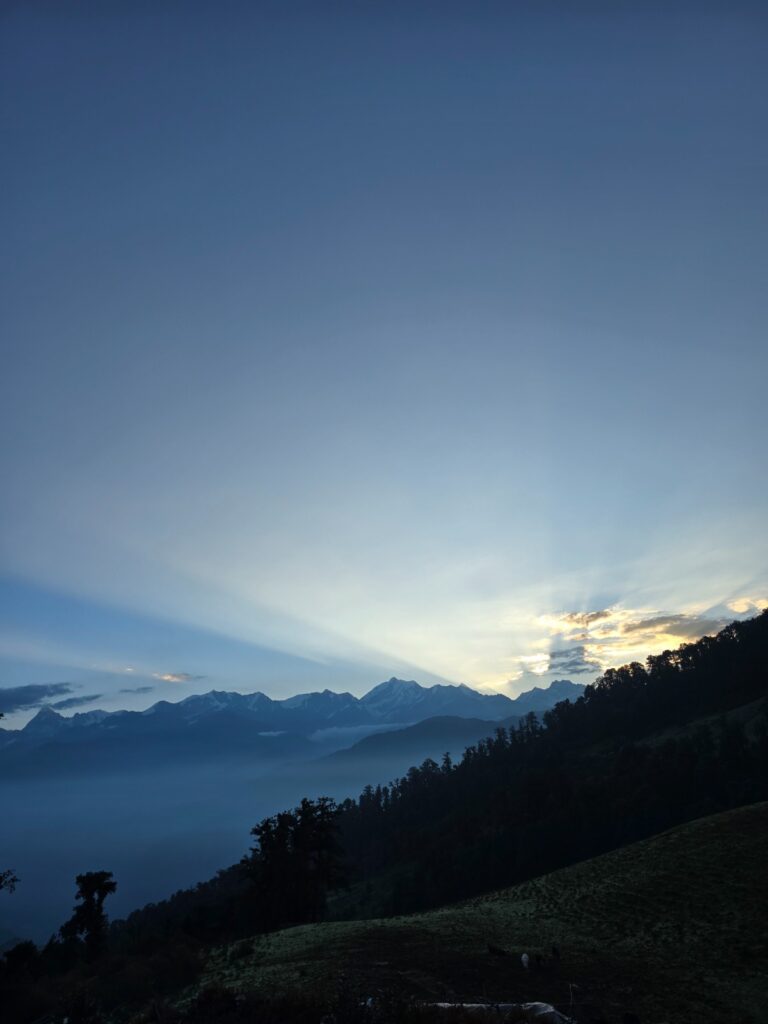
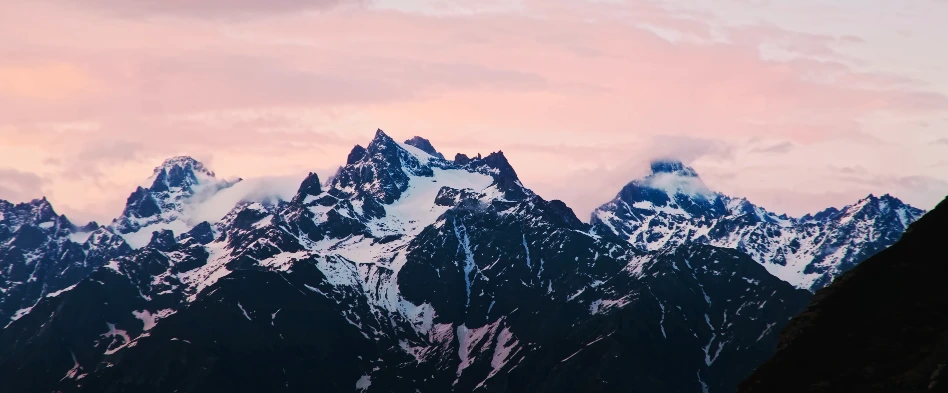
- Amazing Sunrise Views: Witness golden sunrise scenes over Parvati Valley from higher camps, especially from Nagaru.
- Sar Pass Summit at 13,850 ft: Reach the highest point of the trek and enjoy breathtaking views of several Himalayan peaks.
- Famous Snow Slide: Feel the thrill of sliding down a long stretch of snow after crossing Sar Pass—one of the top highlights of this trek.
- Perfect for Beginners: The route is safe and suitable for first-time trekkers, students, and families looking for an easy Himalayan adventure.
- Rich Flora and Fauna: Spot different mountain birds, wildflowers, and local Himalayan plants along the trail.
- Safe and Well-Planned Trek: With The Trek 360, you get experienced guides, proper equipment, and a smooth trekking experience from start to finish.